As an Amazon Associate, we earn from qualifying purchases. Some links on this site are affiliate links at no extra cost to you. Our recommendations are based on thorough research and editorial judgment.

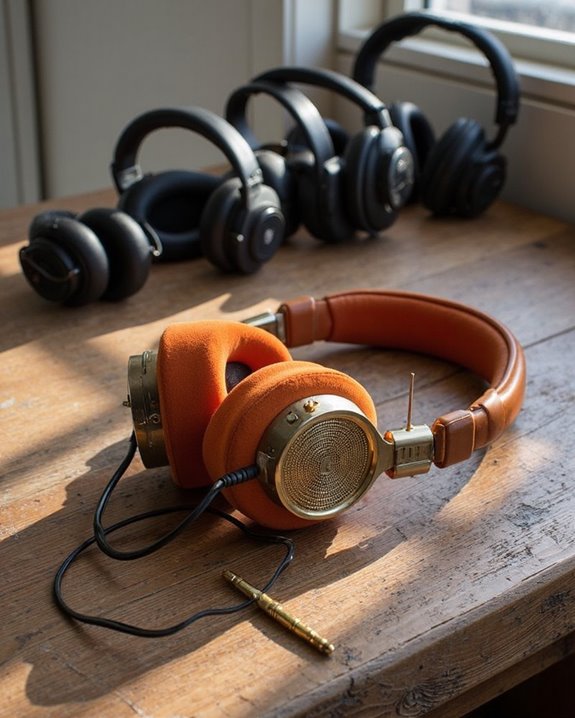
When Were Headphones Invented? A Brief History of Headphones

Headphones evolved from early telephone technology in the 1880s, with the first commercial application appearing through London’s Electrophone system in 1894. The first modern headphones were created by Nathaniel Baldwin in 1910, initially adopted by the U.S. Navy. World War I accelerated development as military applications demanded better sound isolation. John Koss revolutionized consumer headphones in 1958 with the first stereo model, setting the foundation for today’s wireless, noise-canceling, and specialized designs that continue this audio evolution.
Key Takeaways
- Headphones originated in the 1880s-1890s through telephone technology developments and the Electrophone system.
- Nathaniel Baldwin created the first modern headphones in 1910, initially selling them to the U.S. Navy.
- John Koss revolutionized audio with the first stereo headphones (SP/3) in 1958, enabling distinct left-right channel listening.
- Military applications during World War I accelerated headphone development for communications and enemy aircraft detection.
- Technological innovations expanded from the 1980s-2000s with noise-canceling technology, Bluetooth connectivity, and wireless capabilities.
The Birth of Audio Technology: From Telegraph to Telephone (1880s)
During the late 19th century, audio technology underwent a revolutionary transformation that would eventually lead to the development of headphones. Telegraph advancements established the foundation for audio transmission systems, dominating communication from the 1830s through the 1860s.
Alexander Graham Bell’s telephone patent in 1876 marked a pivotal shift in sound technology. By 1877, the first telephone lines and exchanges were established, with Siemens contributing to early commercialization in Berlin. Telephone prototypes rapidly evolved when Emile Berliner invented an improved transmitter that same year, greatly enhancing audio quality.
The technology expanded quickly, with the first commercial US telephone exchange opening in New Haven, Connecticut, in January 1878. This period of innovation established essential audio transmission principles that would later become fundamental to headphone development.
The First True Headphones: Electrophone’s Theater Listening System (1890s)
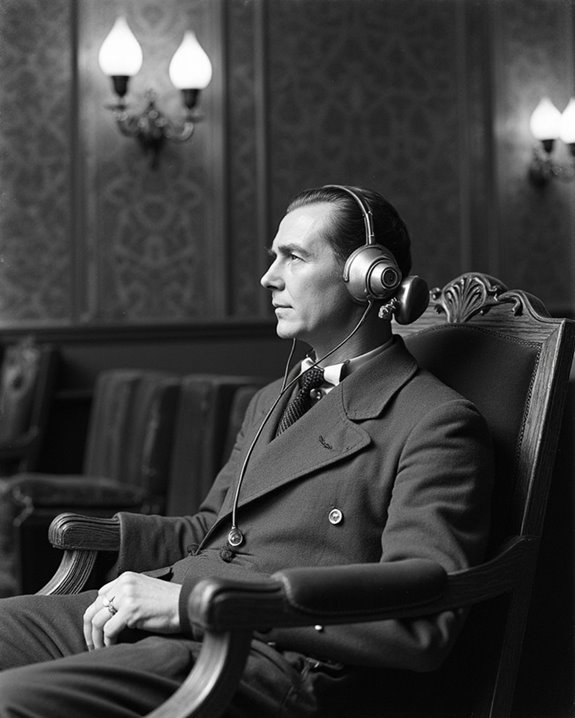
By the late 1890s, the first true headphone system emerged in the form of the Electrophone, a revolutionary technology that transmitted live audio from theaters and churches directly into subscribers’ homes. Founded in 1894 by H.S.J. Booth, the Electrophone Company operated through the existing telephone network infrastructure.
For an annual fee of £5, affluent subscribers—including Queen Victoria—could access Theater Subscriptions featuring performances from fourteen London venues. The system utilized carbon microphones strategically placed to capture audio, which was then routed through a manual switchboard at Pelican House.
Sunday Church Broadcasts became particularly popular, with microphones disguised as bibles in fifteen London churches. This pioneering audio streaming service represented the first commercial application of headphone technology, predating modern live streaming services by nearly a century.
Nathaniel Baldwin’s Kitchen-Made Revolution (1910)

The year 1910 marked a pivotal moment in audio technology when Nathaniel Baldwin created the first modern headphones at his kitchen table in Utah. His Kitchen Inspiration came after struggling to hear speakers at a church conference, prompting him to develop a device that could amplify sound while isolating background noise.
Despite the revolutionary design, Baldwin faced significant Investor Setbacks when private financiers showed little interest in his invention. Undeterred, he offered his handmade headphones to the U.S. Navy for testing. The military quickly recognized their superior performance over existing technology and placed an initial order for ten units.
Baldwin’s innovation featured a headset assembly with specialized earpieces that established the fundamental design elements still present in contemporary headphones, cementing his legacy in audio technology history.
Recommended Products

Take a step back in time with the the Retrospekt RFH-01 retro-inspired foam headphones, perfect for vintage enthusiasts and Stranger Things fans alike.

🎧🎧🎧Vintage Retro Design: These over-ear headphones feature a classic retro look, bringing a touch of nostalgia to your listening experience.
World War I and Military Adoption of Headphone Technology
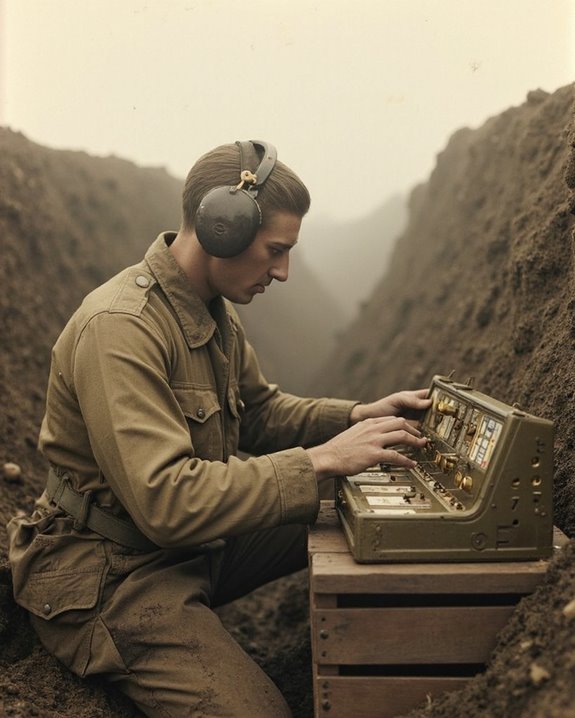
As World War I erupted across Europe in 1914, headphone technology transformed from nascent consumer curiosity to essential military tool. Military operations demanded reliable audio equipment for wartime espionage and communications.
Sound localization became critical for defense strategies, with operators wearing headphones connected to large horn-shaped collectors to detect approaching enemy aircraft. These systems, resembling primitive radar, allowed for artillery spotting and strategic positioning of anti-aircraft weapons.
Headphones were integrated with mechanical computers and Barr and Stroud height finders, enabling precise triangulation of enemy positions. The technology evolved from rudimentary stethoscope-like devices to more durable designs suitable for battlefield conditions.
This military adoption accelerated headphone development globally, as nations competed to create superior sound detection systems, ultimately influencing post-war telecommunications advancements in both military and civilian sectors.
The Evolution of Comfort: Design Innovations From 1920-1950
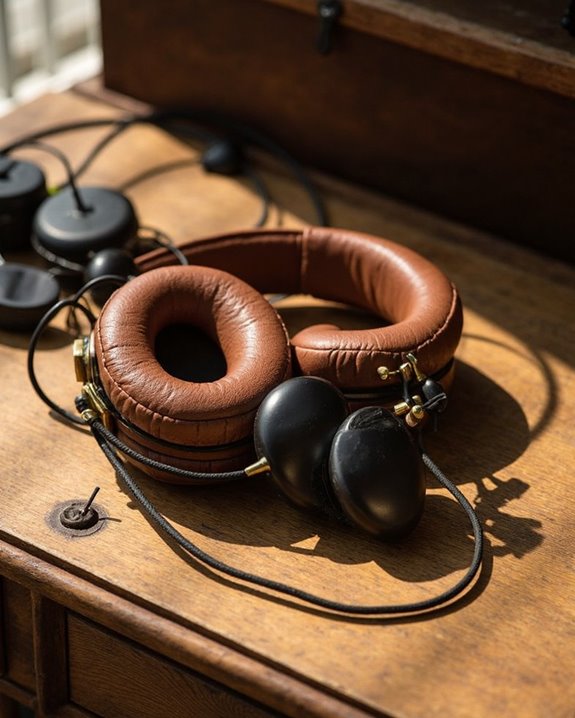
Following World War I, headphone design underwent dramatic transformation as manufacturers shifted focus from pure functionality toward user comfort and ergonomics. Early 1920s headphones featured rigid metal headbands and minimal cushioning, causing discomfort during extended use.
Significant Comfort Innovations emerged by mid-decade with the introduction of leather padding and adjustable headbands. This period saw manufacturers experimenting with lighter materials and ergonomic ear cup shapes that better conformed to human anatomy.
The 1930s-40s brought further Ergonomic Developments through flexible headbands, improved cushioning materials like foam rubber, and pivoting ear cups that aligned better with users’ ears. By the late 1940s, companies like Koss pioneered consumer-oriented designs featuring larger ear cups, softer padding, and balanced weight distribution—innovations that would define headphone comfort for decades to come.
Recommended Products
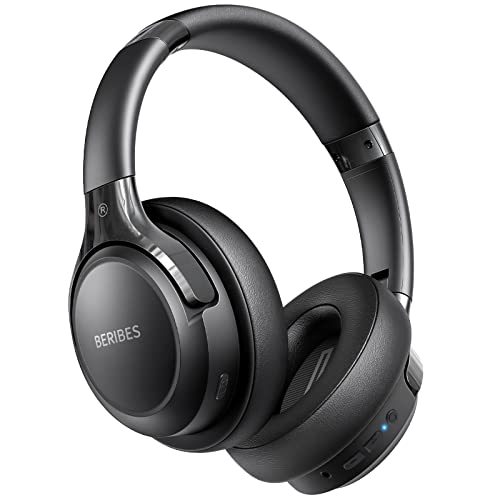
65 Hours Playtime: Low power consumption technology applied, BERIBES bluetooth headphones with built-in 500mAh battery can continually play more than 65 hours, standby more than 950 hours after one fully charge. By included 3.5mm audio cable, the wireless headphones over ear can be easily switched to wired mode when powers off. No power shortage problem anymore.

Bass Sound: Enjoy clear sound and superior comfort with the OneOdio Studio Monitor Headphones. Equipped with large 50mm speaker drivers and neodymium magnets, pro-10 deliver powerful bass, clear vocals, and crisp highs for a balanced stereo sound.

Block the World, Keep the Music: Four built-in mics work together to filter out background noise — whether you're in a packed office, on a crowded commute, or moving through a busy street — so every beat comes through clean and clear. (Not available in AUX-in mode.)
From Professional Tools to Consumer Products: The Mid-Century Shift
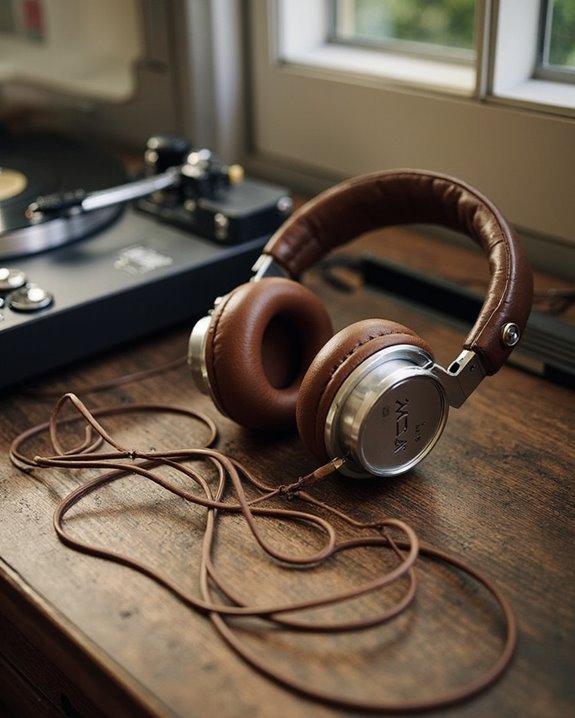
During the mid-century period, headphones underwent a dramatic transformation from specialized professional tools to widespread consumer products. John Koss’s introduction of the SP/3 stereo headphones in 1958 marked a pivotal moment in this evolution, enabling consumers to experience distinct left and right audio channels for the first time.
This technological advancement coincided with significant Consumer Appeal as headphones became essential components of home stereo systems in the 1960s and 1970s. Improved materials and transistor technology allowed for smaller, more comfortable, and higher-quality listening devices.
The Cultural Shift was equally profound as headphones facilitated private listening in shared spaces, fundamentally changing how people experienced music. This shift from utility to lifestyle accessory established headphones as a staple in consumer electronics, forever altering personal audio consumption.
Recommended Products
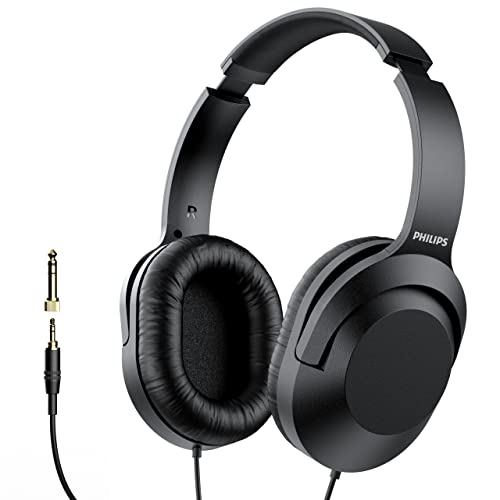
Amplify Your Listening Experience with powerful 40mm drivers that consistently deliver crisp, clear sound. The over-ear fit ensures excellent passive noise isolation, letting you enjoy your music without disturbing others.

Lightweight 1.38 in neodymium dynamic drivers deliver a punchy, rhythmic response to even the most demanding tracks. Driver Unit: Dome type.Specific uses for product : Travel
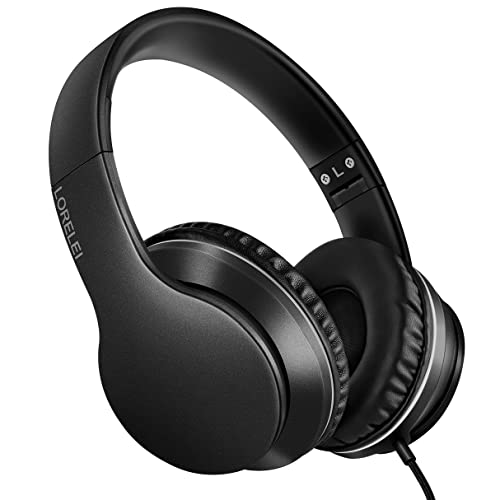
【Immerse yourself into the beat】These headphones with microphone adopt High-definition 40mm driver and compact earcups design, which deliver exceptionally clear sound with full dynamic range and rich bass and crisp mids. Effortless style and powerful sound let you tune into your own rhythms with the set of on-ear headphones.
The Emergence of Different Headphone Styles and Their Applications
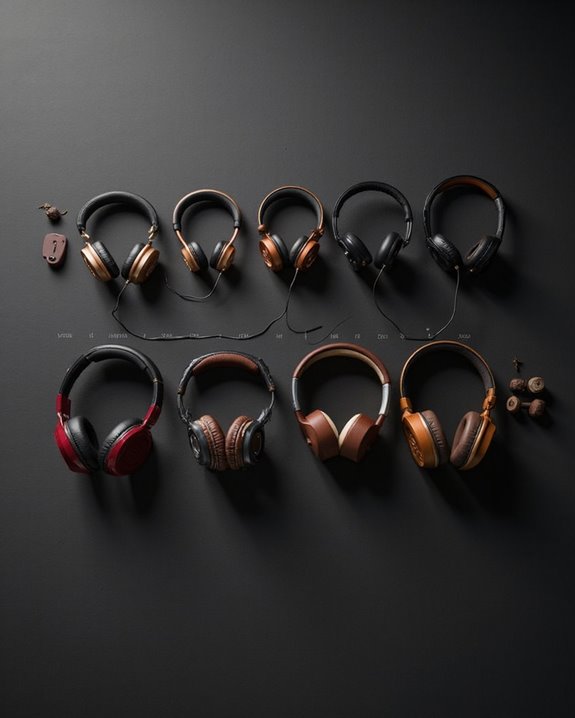
The evolution of headphone styles represents a fascinating journey through technological innovation and changing consumer needs. From the 1960s onward, manufacturers developed distinct designs to address various listening scenarios, with open-back models emerging in 1969 to improve sound quality.
The 1970s saw headphones adopted by musicians for stage monitoring, while 1989 marked Bose’s groundbreaking noise-canceling technology. Bone conduction headphones, introduced in 1994, expanded applications into hearing assistance devices.
Recent years have witnessed unprecedented diversification, with gaming headsets featuring advanced surround sound capabilities, truly wireless earbuds incorporating health monitoring functions, and high-end models offering spatial audio for immersive listening experiences. These specialized designs reflect how headphones have evolved beyond simple audio reproduction into multifunctional devices serving distinct market segments. Additionally, the development of bone conduction technology has allowed for open-ear designs that provide situational awareness and comfort during activities such as sports and swimming.
Recommended Products

[Next-Gen Bone Conduction Tech] Psier Bone conduction headphones utilize the latest Bone conduction tech and a fully enclosed cavity design, delivering rich, powerful sound through the bone. The open-ear design keeps you aware of your surroundings, making them perfect for running, cycling, hiking, and outdoor activities. With upgraded acoustic sealing that reduces sound leakage by up to 50%, you enjoy powerful audio and enhanced situational awareness.

Excellent Sound Quality - Through Ogogrs' advanced bone conduction technology, it allows you to feel the excellent audio transmitted through the bones. The clear sound and strong volume give you the best listening experience. The bone conduction headphones with a built-in microphone are suitable for remote video conferences.

Open-Ear Comfort - OpenRun Pro features our best fit yet. Avoid the discomfort of in-ear headphones with our bud-free design. These headphones stay put during any workout. Includes Shokz headband
Wireless and Noise-Canceling: Game-Changing Technologies
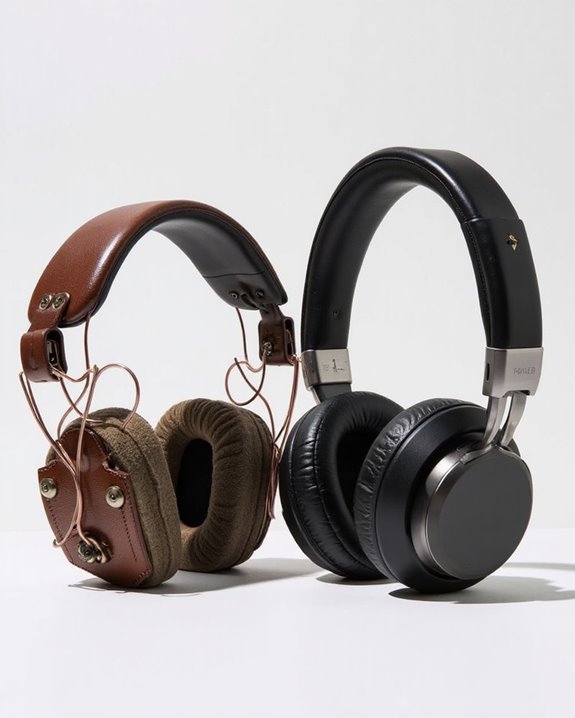
Technological liberation arrived for headphone users in the 1960s with the emergence of wireless designs, fundamentally altering how people experienced audio content. These early models utilized radio transmission technology, offering limited range but establishing the foundation for future wireless innovations.
The introduction of Bluetooth in the early 2000s created unprecedented Tech Synergy between headphones and various devices, accelerating market adoption and functionality. Modern wireless headphones support high-quality streaming and extended battery life, eliminating the constraints of wired connections.
Parallel developments in noise-canceling technology, pioneered in the 1950s for aviation, transformed headphones into tools for Audio Immersion. By generating inverse sound waves to neutralize ambient noise, these headphones create isolated listening environments. Today’s hybrid models combine active and passive noise-canceling methods, meeting diverse user needs from office work to commuting.
Leading models like the Sony WH-CH720N exemplify this advancement with features such as Dual Noise Sensor Technology and up to 35-hour battery life, enabling extended immersive listening experiences.
Recommended Products

All-Day Comfort & Premium Design: Crafted with high-quality materials, these over-ear wireless headphones combine luxury with long-wearing comfort. The adjustable headband ensures a secure fit for all head sizes, while ultra-soft memory foam ear cups minimize pressure. Lightweight and ergonomic, they're ideal for work, travel, or leisure—keeping you comfortable even during extended use

NOISE CANCELLING HEADPHONES: Effortlessly combines noise cancellation technology with passive features so you can shut off the outside world, quiet distractions, and take music beyond the beat

Powerful Noise Cancelling Technology: KVIDIO Active noise cancelling headphones block out up to 95% of ambient noise. It could be a lifesaver from TV, podcasts, and traffic noise while studying or working from home, so you concentrate on what’s important to you
How Early Designs Shaped Today’s Headphone Industry
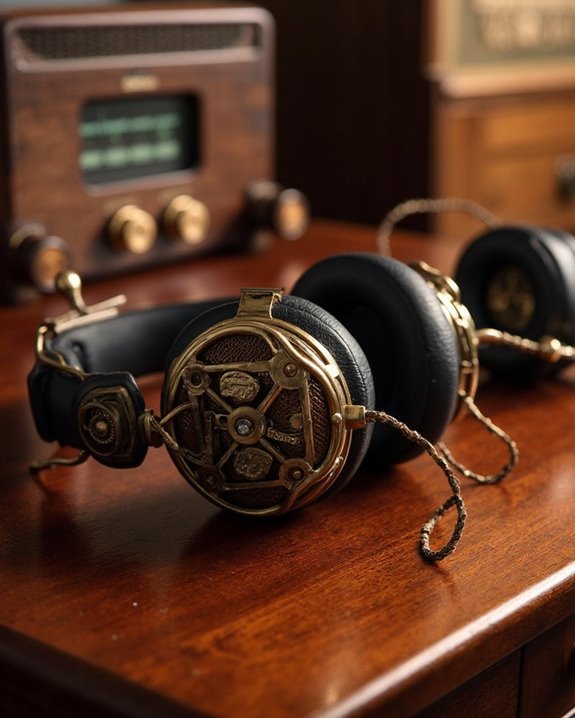
While modern users slip on streamlined wireless earbuds with intuitive touch controls, these innovations stand on the shoulders of pioneering designs dating back to the late 19th century. The evolution from Nathaniel Baldwin’s large cup headphones to Beyerdynamic’s DT-48 in 1937 established foundational principles still evident in contemporary models.
These early innovations drove the cultural impact of personal audio, transforming music consumption from communal to individual experiences. Today’s manufacturers, focused on ethical manufacturing practices, continue to reference designs like AKG’s K-120, which first balanced functionality with aesthetics in 1939.
Military applications during World War I accelerated development in sound isolation and communication technologies—advancements that directly influenced noise-canceling features found in premium contemporary headphones, demonstrating how historical engineering solutions continue to shape modern listening experiences. Modern headphones now incorporate advanced active noise cancelling technology that can reduce up to 98% of external noise for immersive audio experiences.
Frequently Asked Questions
How Did Headphones Impact Recording Studio Practices Throughout History?
Headphones revolutionized studio isolation, allowing musicians to monitor performances without audio bleed. They evolved from occasional use in the 1950s to essential tools that transformed mixing techniques, enabling more precise control over multi-track recordings.
What Materials Were Used in Early Headphone Manufacturing?
Like craftsmen sculpting sound from earth’s elements, early headphones relied on material innovations including wood, metal, and leather for component durability. Later, manufacturers incorporated cardboard, foam, rubber, and eventually plastics for improved comfort.
When Did Kids and Teenagers Become Major Headphone Consumers?
Teenagers emerged as significant headphone consumers in the 1970s-1980s when the Walkman revolutionized personal listening. Youth marketing strategies targeted teen preferences, expanding dramatically as portable music players became mainstream cultural phenomena among young people.
How Did Headphone Impedance Standards Develop Over Time?
Headphone impedance trends shifted from high (500+ ohms) for vacuum tube equipment to varied standards, including the controversial 120-ohm standard in 1996. Standards evolution continues with modern devices accommodating multiple impedance levels.
Which Cultures Adopted Headphones Earliest Outside Western Countries?
Surprisingly, less than 5% of historical headphone documentation covers Eastern Pioneers. Japan emerged as a leader in Asian Adoption, followed by urban centers in China and India during the early 20th century telecommunications expansion.