As an Amazon Associate, we earn from qualifying purchases. Some links on this site are affiliate links at no extra cost to you. Our recommendations are based on thorough research and editorial judgment.

Are Headphones Better Than Earbuds?

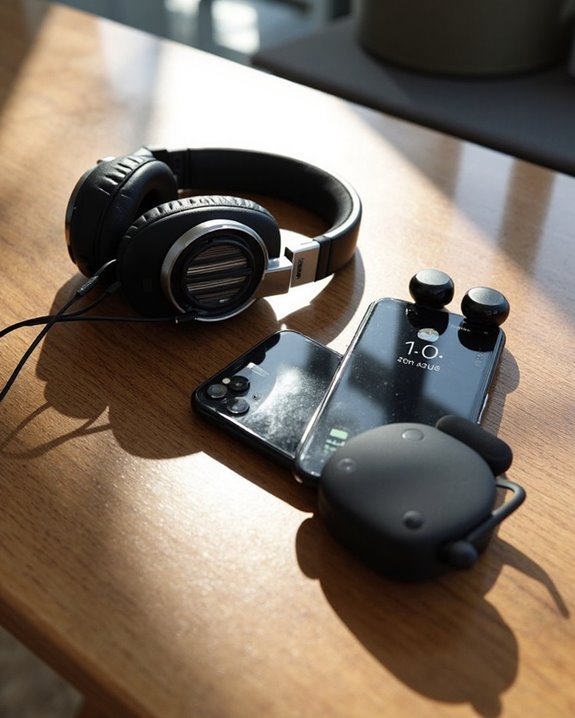
Headphones and earbuds serve different purposes, with headphones excelling in sound quality, comfort during extended use, and hearing protection. They deliver superior bass, wider soundstage, and fuller frequency range through larger drivers. Earbuds win on portability with compact design and minimal storage requirements. The choice ultimately depends on priorities: sound quality and comfort versus convenience and mobility. The comparison across various price points reveals distinct advantages for each listening solution.
Key Takeaways
- Headphones deliver superior sound quality with wider soundstage, deeper bass, and fuller frequency range than earbuds.
- Headphones distribute weight evenly with cushioned padding, making them more comfortable for extended listening sessions.
- Earbuds excel in portability with compact design, while headphones prioritize sonic performance through larger drivers.
- Headphones create a protective seal reducing the need for excessive volume, potentially preventing hearing damage.
- Headphones typically offer better value across price ranges with richer features, though earbuds prioritize convenience and mobility.
Sound Quality: Where Headphones and Earbuds Truly Differ
You may be interested
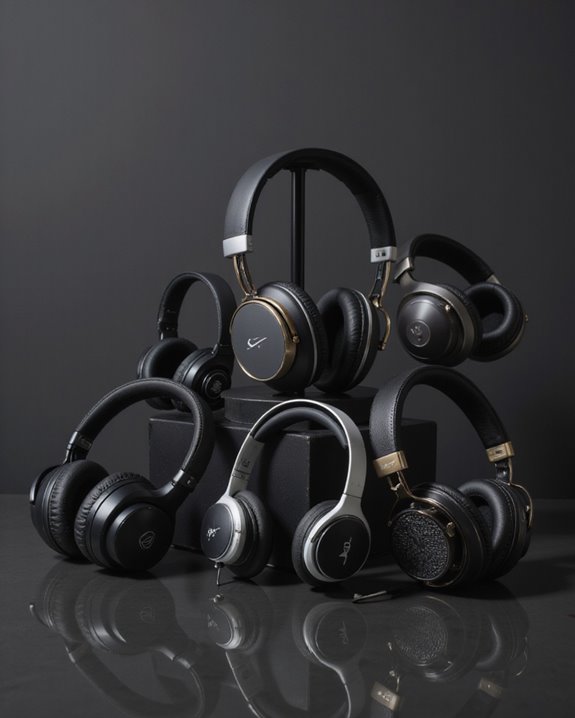
10 Best Active Noise Cancelling
July 5, 2024
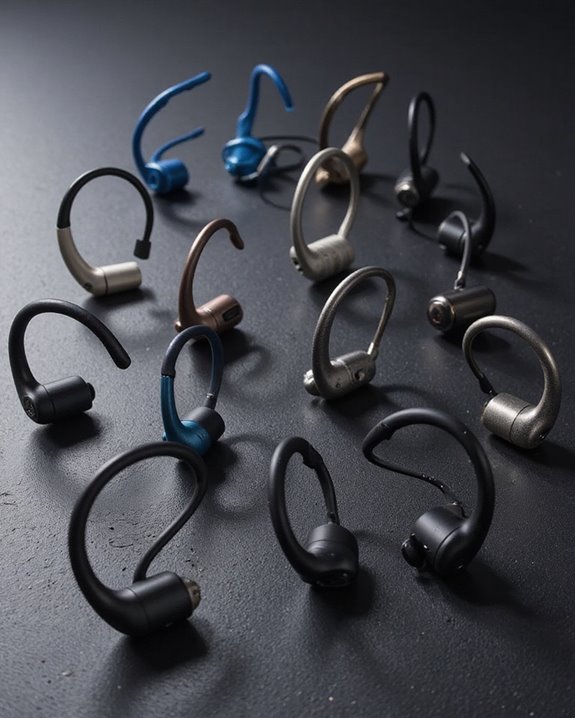
10 Best Bone Conduction Headphones
May 4, 2024
When comparing headphones and earbuds, sound quality represents the most fundamental differentiator between these two audio devices. The physical design of each creates distinct listening experiences that impact how users perceive audio.
Headphones generally deliver superior Bass Performance through their larger drivers, reproducing low frequencies with greater depth and accuracy. This results in richer, more powerful bass notes that earbuds typically cannot match despite technological advancements.
The Spatial Effects between these devices also differ markedly. Headphones create a wider soundstage, offering more immersive 3D audio capabilities and realistic sound positioning. Earbuds, while providing more direct and intimate sound delivery, typically present a narrower soundstage with less dimensional depth.
For audiophiles seeking the fullest frequency range and expansive sound field, headphones typically hold the advantage. Many professional-grade headphones prioritize a wide frequency response of 20Hz-20kHz and high sensitivity for optimal audio performance.
Recommended Products

JBL Pure Bass Sound: The JBL Tune 720BT features the renowned JBL Pure Bass sound, the same technology that powers the most famous venues all around the world.
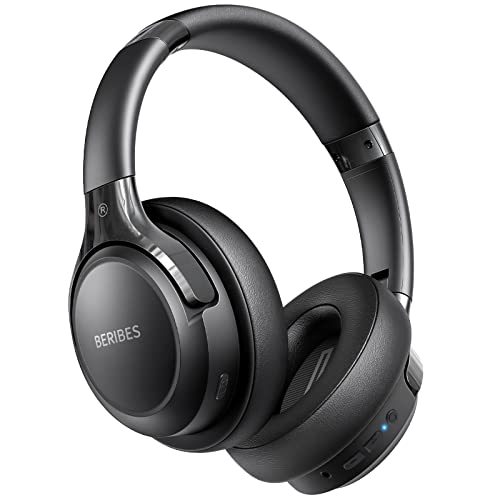
65 Hours Playtime: Low power consumption technology applied, BERIBES bluetooth headphones with built-in 500mAh battery can continually play more than 65 hours, standby more than 950 hours after one fully charge. By included 3.5mm audio cable, the wireless headphones over ear can be easily switched to wired mode when powers off. No power shortage problem anymore.

Bass Sound: Enjoy clear sound and superior comfort with the OneOdio Studio Monitor Headphones. Equipped with large 50mm speaker drivers and neodymium magnets, pro-10 deliver powerful bass, clear vocals, and crisp highs for a balanced stereo sound.
Comfort Factors: Finding Your Perfect Fit
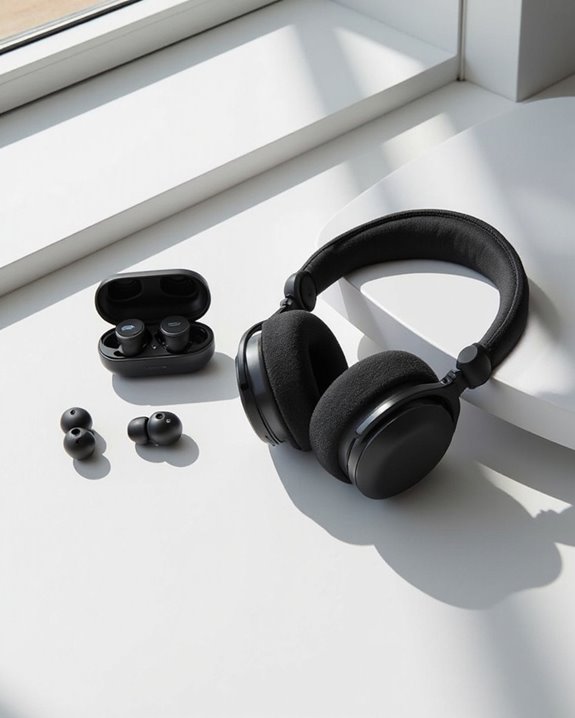
Sound quality may attract audiophiles to either device, but physical comfort determines which audio solution users can tolerate for hours on end. Headphones typically excel in Extended Wear scenarios, distributing weight evenly across the head while surrounding ears with cushioned padding.
Earbuds, conversely, insert directly into ear canals, which can cause discomfort during marathon listening sessions despite their lightweight design. Many manufacturers address this with customizable ear tips in various sizes and materials.
Pressure Relief features distinguish premium audio devices from basic models. Headphones offer adjustable headbands and earcups that accommodate different head shapes, while advanced earbuds incorporate venting systems to equalize pressure within the ear canal.
For active users, earbuds with stability fins provide secure fits during workouts, whereas headphones offer superior stability for general movement with less impact. Additionally, headphones with memory foam ear cushions provide even pressure distribution and mold to unique ear shapes for hours of wear, enhancing comfort during extended listening sessions.
Recommended Products

70+ Hours Total Playtime Charge Once And Cover Nearly Two Full Work Weeks. Anc Mode Still Delivers 40+ Hours — Enough For A Long-Haul Flight And The Week After. No Fast Charge Mentioned.

Adaptive Noise Cancelling with Smart Ambient: Adaptive Noise Cancelling means zero distractions whether you’re studying or getting lost in the music. If you want to hear the world around you, activate Ambient Aware and TalkThru in the JBL Headphones app.

Hybrid Active Noise Cancelling: 2 internal and 2 external mics work in tandem to detect external noise and effectively reduce up to 90% of it, no matter in trains or offices.
Portability Vs Performance: the Everyday Trade-Off
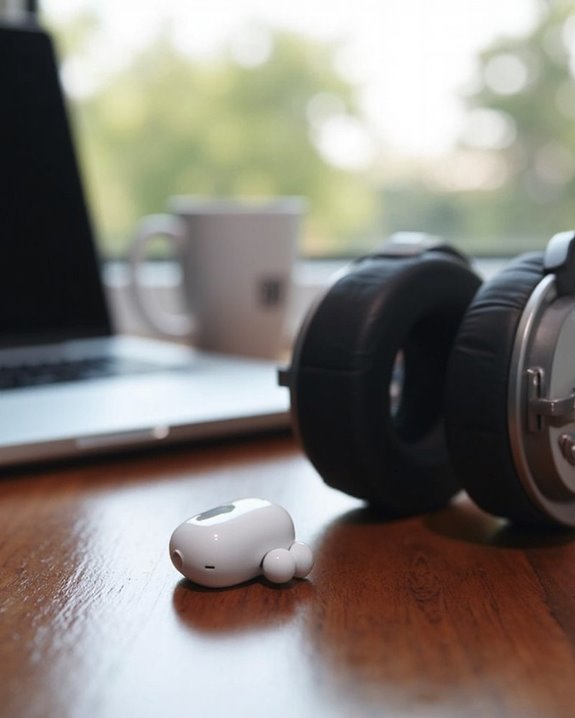
The eternal dilemma between portability and performance defines the headphone versus earbud decision for most audio enthusiasts. This trade-off becomes particularly evident when considering Daily Mobility requirements against sound quality expectations.
Earbuds excel in portability metrics with their compact design and lightweight profile, making them superior Travel Options for commuters and frequent travelers. Their charging cases enhance convenience while requiring minimal storage space.
Headphones, conversely, deliver superior sonic performance through larger drivers and better noise cancellation capabilities. This improved audio fidelity comes at the cost of increased bulk and storage considerations.
The choice ultimately depends on prioritization: earbuds for activities requiring mobility (running, commuting), and headphones for scenarios where immersive sound quality takes precedence (studio work, focused listening sessions). Each form factor represents a calculated compromise between convenience and acoustic performance.
Models like the Soundcore P20i True Wireless Earbuds demonstrate that earbuds can offer impressive features such as customizable EQ and long battery life, bridging some gaps between portability and sound quality.
Recommended Products

2026 Bluetooth 5.4 Technology : The wireless earbuds use the bluetooth 5.4 chipset. There is a faster and more stable signal transmission and has successfully achieved low latency without interruption. With a range of up to 15 m, whether you are at home, in the office, or on the road, you don't have to worry about disconnection of the bluetooth earbuds. Automatic pairing & compatible with multiple devices.

[Hybrid Active Noise Cancelling] With a maximum noise reduction depth of 45dB, Immerse yourself in your music without any distractions from the outside world and focus on what matters most -- your music.
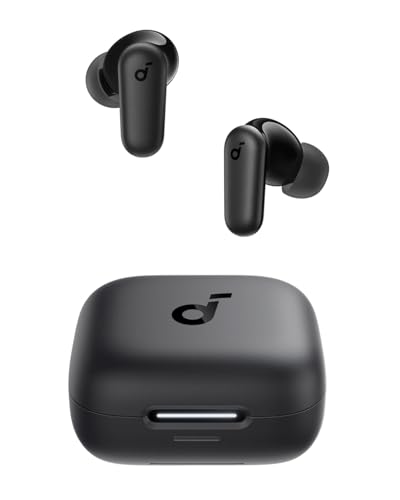
2-in-1 Charging Case and Phone Stand: Enjoy hands-free viewing without the hassle. Simply open the back panel of the case, place your phone on the stand, and catch up on your favorite shows—watching while traveling has never been easier!
Protecting Your Hearing: Health Implications to Consider
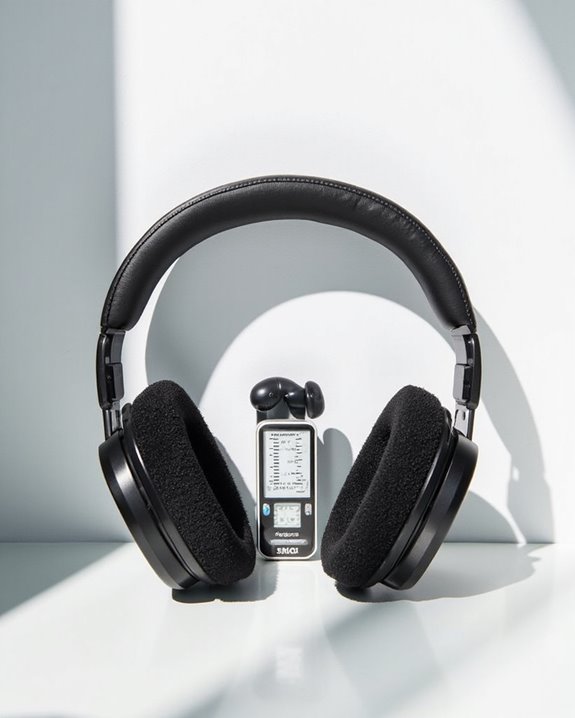
Beyond the convenience-versus-performance equation lies an often overlooked factor in the headphones-earbuds debate: hearing health. The fundamental design difference between these devices substantially impacts auditory safety. Earbuds funnel sound directly into the ear canal, concentrating potentially harmful sound pressure on the eardrum.
Over-ear headphones create a protective seal that reduces the need for excessive volume, offering superior Hearing Protection. This distinction matters critically as 24% of young adults already listen at unsafe levels, risking permanent damage.
Research reveals hearing loss as the primary modifiable risk factor for dementia in middle age—a Dementia Link that underscores the importance of safe listening habits. With personal audio devices reaching dangerous decibel levels (94-110 dB), choosing headphones that minimize direct sound pressure may help preserve long-term cognitive and auditory health.
Recommended Products

Reliable Passive Hearing Protection: The ear muffs achieve NRR 28 dB (SNR 34 dB) rating, ANSI S3.19 (US) certified. It efficiently muffles loud noise from power tools, lawn mowers, snoring and everyday ambient sounds to safeguard your hearing all day long

【Extremely Comfortable to Wear】: Wrap your child's ears in cloud-like softness! Dr.meter noise cancelling headphone is made of premium memory foam cores with PU leather padding, creating a breathable seal that stays cozy during monster jams, fireworks, concerts, or even long-term sports events. Designed for providing comfortable wearing—no itching or pressure marks!
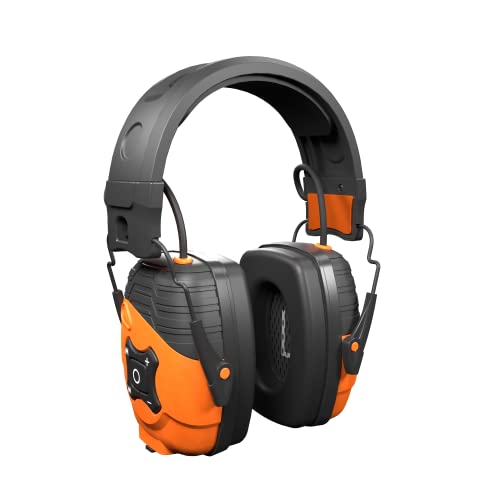
Certified Bluetooth hearing protection headphones: Keep your ears protected with ISOtunes LINK ANSI-certified 25 dB NRR OSHA approved headphones. Designed for professionals, these Bluetooth earmuffs block harmful noise while enabling wireless audio and 2-way communication via Bluetooth.
Price Points: What You Get at Different Budgets
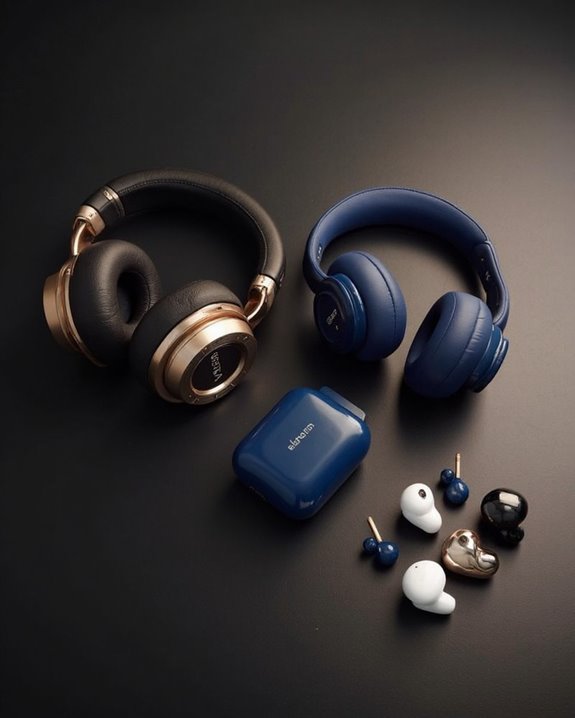
Finding the perfect audio device often hinges on budget constraints, with price points greatly influencing the quality and features available in both headphones and earbuds.
In the under-$50 range, headphones like the Sony CH-520 typically offer superior sound quality and battery life compared to budget earbuds, though both generally lack advanced features. Mid-range options ($100-$300) introduce active noise cancellation and better microphone quality, with headphones delivering richer soundstage and deeper bass.
Premium models ($300+) feature larger drivers, enhanced comfort, and superior warranty coverage. While high-end earbuds are closing the feature gap, headphones typically include more extensive accessory inclusions such as carrying cases and replacement ear pads.
The price-performance equation differs: earbuds prioritize portability, while headphones emphasize sound quality and feature completeness across all budgets.
Recommended Products

【40MM DRIVER & 3 MUSIC MODES】Picun B8 bluetooth headphones are designed for audiophiles, equipped with dual 40mm dynamic sound units and 3 EQ modes, providing you with stereo high-definition sound quality while balancing bass and mid to high pitch enhancement in more detail. Simply press the EQ button twice to cycle between Pop/Bass boost/Rock modes and enjoy your music time!

Excellent Sound & 6EQ Modes: Wireless Bluetooth headphones equipped with 40mm dynamic driver, which produces hi-fi stereo sound, crisp and clean, great balanced Bassup and reduces environmental noise.Switch freely between 6 sound effects with the EQ button: Bass, pop, rock, classic, jazz and vocal. Listening to a variety of music,just like you are in a concert with a wide sense of space
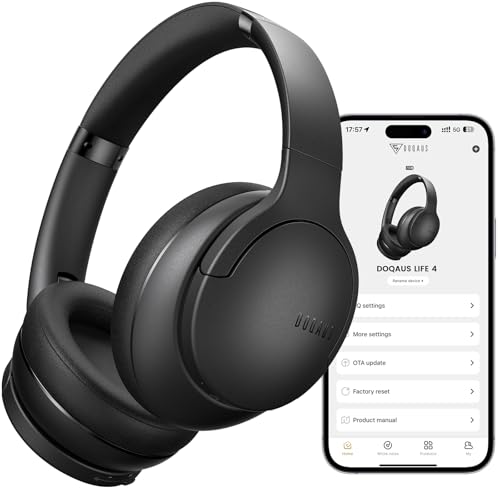
✅ End Charging Anxiety with 90-Hour Marathon Battery Life: Designed for the long-haul commuter or international traveler, these wireless headphones deliver up to 90 hours of playtime. A quick 10-minute charge fuels 5 hours of listening, and the included aux cable is your zero-power backup plan, ensuring your music, podcasts, or movies never stop.
Frequently Asked Questions
Can Earbuds or Headphones Connect to Multiple Devices Simultaneously?
Yes, select earbuds and headphones support multi device pairing, allowing simultaneous connectivity to multiple devices. This feature, known as multipoint technology, typically enables connections to two devices at once for seamless audio switching.
How Long Do Wireless Headphones Typically Last Before Needing Replacement?
Wireless headphones typically last 4-8 years before replacement. Battery longevity ultimately determines their lifespan, with capacity diminishing through charging cycles. Proper headphone maintenance, including appropriate storage and careful usage, can greatly extend their operational life.
Are Bone Conduction Headphones Better for Outdoor Activities?
Bone conduction headphones excel in outdoor activities due to their enhanced outdoor safety features, allowing ambient awareness. Their weather durability withstands sweat and elements, while the open-ear design provides comfort during extended physical activities.
Do Headphone Cables Affect Sound Quality Compared to Wireless Models?
While some insist cables are mere fashion statements, they actually impact audio greatly. Cable Impact on sound quality includes zero latency and uncompressed transmission, offering superior Wireless Fidelity compared to Bluetooth’s inherent compression limitations.
Can Earbuds Cause Ear Infections With Regular Use?
Yes, earbuds can cause ear infections with regular use. Proper ear hygiene is essential for infection prevention as earbuds may introduce bacteria, create warm, moist environments, and push earwax deeper into the canal.