As an Amazon Associate, we earn from qualifying purchases. Some links on this site are affiliate links at no extra cost to you. Our recommendations are based on thorough research and editorial judgment.

What Are Earbuds? A Beginner’s Guide to Modern Headphones

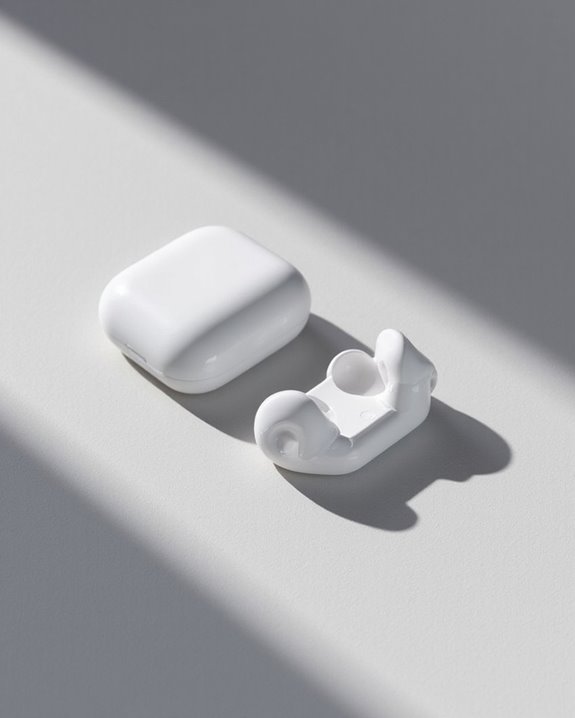
Earbuds are compact audio devices that fit directly inside the ear canal, delivering sound through small driver units typically measuring 13-14.2mm. Unlike earphones that provide sealed isolation, earbuds rest on the outer ear concha, allowing some ambient noise. Modern versions feature Bluetooth connectivity, water resistance, and noise cancellation technology while offering up to 75 hours of playtime with charging cases. Proper fit remains essential for sound quality and preventing loss during physical activities.
Key Takeaways
- Earbuds are small audio devices that fit directly inside the ear canal to deliver sound with enhanced portability.
- Unlike earphones that insert deeper, earbuds rest on the outer ear concha while still providing quality audio reproduction.
- Modern earbuds typically feature Bluetooth connectivity, eliminating wires while offering hands-free functionality and voice assistant integration.
- Most earbuds include 13-14.2mm drivers that convert electrical signals into mechanical vibrations for bass and vocal clarity.
- Wireless earbuds come with charging cases providing up to 75 hours of total playtime and quick-charging capabilities.
What Exactly Are Earbuds and How Do They Work?
You may be interested
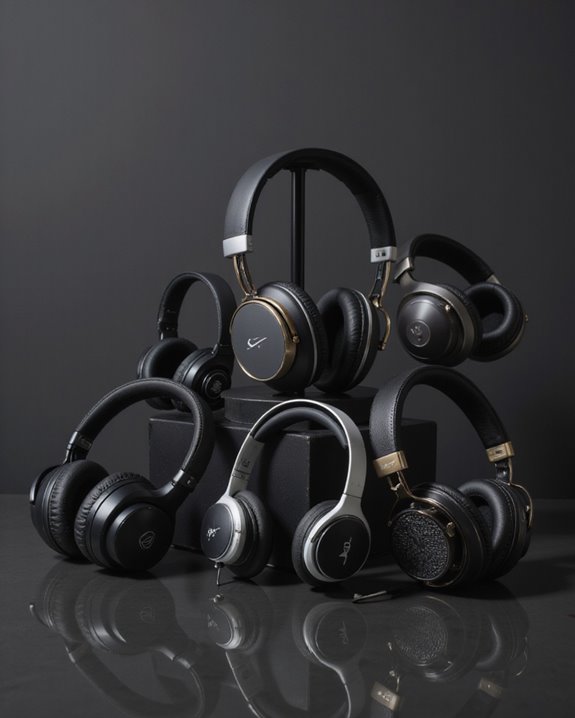
10 Best Active Noise Cancelling
July 5, 2024
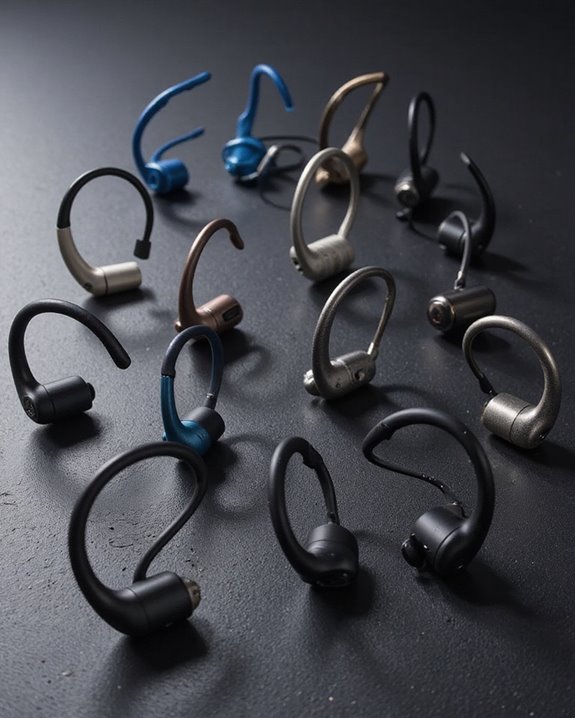
10 Best Bone Conduction Headphones
May 4, 2024
Earbuds represent one of modern technology’s most compact audio solutions, designed specifically to fit inside the ear canal while delivering sound directly to the listener. Unlike their bulkier headphone predecessors, modern earbuds evolved from simple wired devices to sophisticated Bluetooth-connected audio systems. Earbud origins trace back to basic portable audio needs, but today’s versions offer remarkable technological advancement.
The core functionality relies on a precise vibration process. When electrical signals travel from a device to the earbud, they reach specialized driver units containing diaphragms and voice coils. These components create an electromagnetic field that moves the diaphragm, generating sound waves. The efficiency of this conversion process—from electrical signal to mechanical vibration to audible sound—determines the quality of audio reproduction. Driver units vary in size and construction, directly impacting sound characteristics. Most modern earbuds incorporate 13-14.2mm drivers to deliver premium sound quality with enhanced bass and clear vocals.
The Key Differences Between Earbuds and Earphones
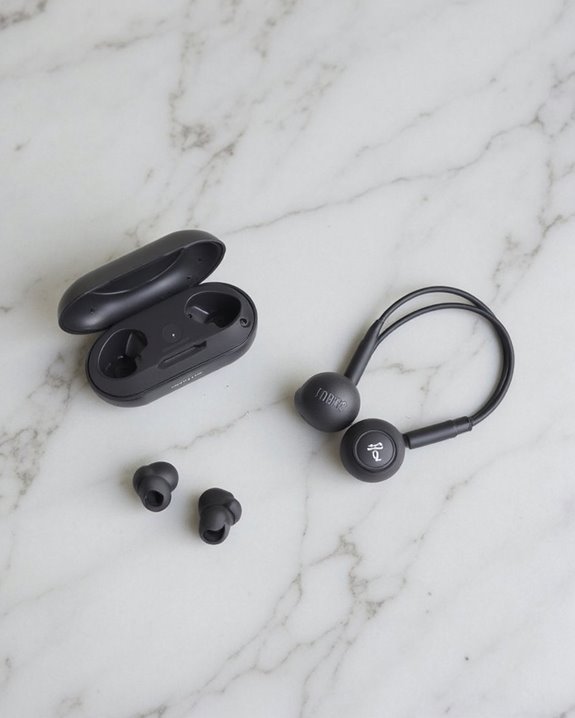
While understanding how earbuds function provides a foundation for audio knowledge, distinguishing between earbuds and earphones reveals important differences that affect comfort, sound quality, and usability.
The most noticeable distinction lies in their Fit Styles: earbuds rest on the outer ear’s concha without entering the ear canal, while earphones fit directly into the canal with customizable tips for a secure seal. This design difference greatly impacts their Sound Profiles—earphones typically deliver superior bass response and audio fidelity due to their sealed design, making them preferred by audiophiles for critical listening.
Earbuds allow more ambient noise to filter in, creating a more open sound experience but sacrificing noise isolation. For activities requiring situational awareness, earbuds offer advantages, while earphones excel in noisy environments where sound isolation matters.
Some earphones, such as the NOVA 1DD+4BA configuration, feature sophisticated hybrid drivers designed to deliver punchy bass, clear mids, and excellent instrument separation for enhanced audio performance.
Recommended Products

【Comfortable Fit & Excellent Sound】Solid ergonomic experience, durable, designed with a memory wire technology, the kz zst wired in-ear headphones make it easier to keep moving, providing a locked-in fit. Independent sound channel for each driver, the sound will not be distorted, bring you a new kind of auditory sense, dental, and sound like feeling extremely rich. The mid bass and treble driver unit have a rich, vigorous performance at bass, midrange and treble; bass, mids and treble is rich and energetic.

▶ 💛【PC Cavity & Exclusively Designed Ear Tips, Ear Fins】 PC cavity covered with UV varnish, which makes earphones look elegant. The ear tips adopt TPE material, which is comfortable and smooth to wear. Groove design at ear cap brings more stereo sound, enhancing details and sound stage. The short sound guide tubes reducing sound loss. TPE soft and environment-friendly fin is added to the rear of the cavity, providing a more comfortable, stable, lighter experience.

【Upgraded 4BA+1DD Hybrid Earphones &Magnetic Dynamic Unit]】As an upgraded version of K2 ZS10, the Pro features self-customized balanced armatures which include two 30095 drivers for highs, two 50060 drivers for mids. With this configuration, the sound is transient, dynamic, and bright in all respects. While maintaining the previous performance, the highs of this model is extended beyond 40kHz lt also adopts the second-generation Tesla double magnetic dynamic unit
Top Benefits of Choosing Earbuds for Daily Use
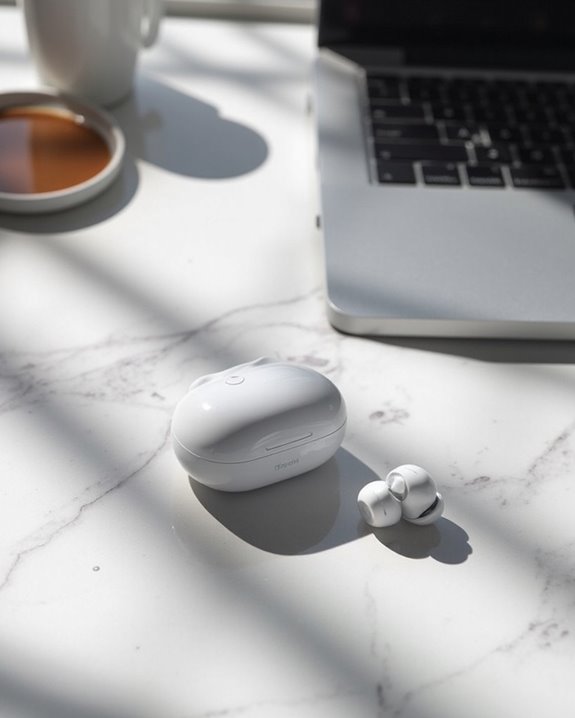
The modern lifestyle demands audio solutions that seamlessly integrate with fast-paced routines, making wireless earbuds an increasingly popular choice for daily use. The Wireless Benefits extend beyond mere convenience, offering tangle-free operation and enhanced mobility during workouts or commutes.
Lifestyle Perks include hands-free functionality, allowing users to multitask efficiently while maintaining audio quality. Modern earbuds feature noise cancellation technology and customizable ear tips that optimize sound delivery in various environments.
Many models incorporate water-resistant designs for active users and voice assistant integration for seamless device control. The compact charging cases provide extended battery life, while quick-charging capabilities guarantee minimal downtime.
For daily activities, earbuds offer a practical balance of superior sound quality, stylish design options, and functional versatility without the constraints of traditional wired headphones. Some earbuds even provide up to 75 hours of total playtime, ensuring they last throughout the day and beyond.
Recommended Products

[Hybrid Active Noise Cancelling] With a maximum noise reduction depth of 45dB, Immerse yourself in your music without any distractions from the outside world and focus on what matters most -- your music.

2026 Bluetooth 5.4 Technology : The wireless earbuds use the bluetooth 5.4 chipset. There is a faster and more stable signal transmission and has successfully achieved low latency without interruption. With a range of up to 15 m, whether you are at home, in the office, or on the road, you don't have to worry about disconnection of the bluetooth earbuds. Automatic pairing & compatible with multiple devices.

Hi-Fi Deep Bass Stereo and Crystal Clear Calls: Bluetooth earbuds 14.2mm large size speaker driver delivers powerful bass, mellow midrange, and clear treble, reproducing your music vividly to power your workout. Noise cancelling headphones are equipped with high quality ENC noise reduction mics to passively cancel 80% background noise so you and the caller can hear each other better and make crystal-clear calls with minimal background noise. Enjoy top-notch conversations wherever you are.
Common Drawbacks and Limitations of Earbuds
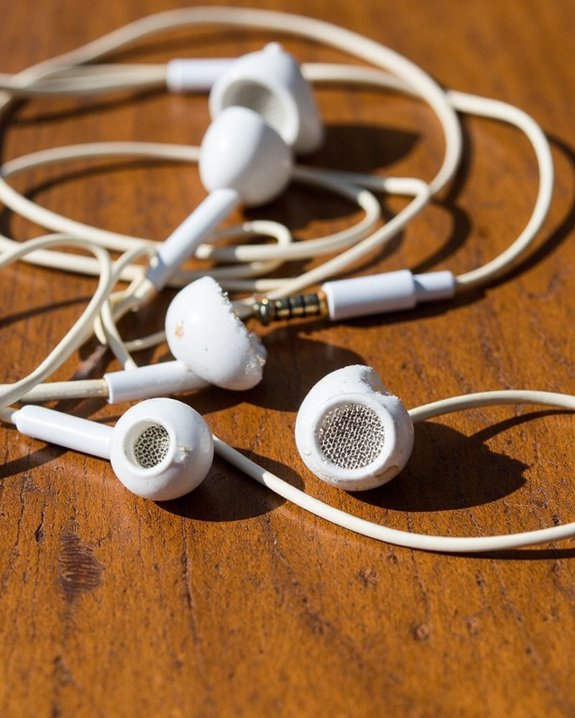
Despite their popularity and convenience, audio enthusiasts should consider several significant limitations before investing in earbud technology. Fit issues present immediate concerns, as poorly seated earbuds compromise sound quality and risk being lost during activity.
Ear health considerations cannot be overlooked. Extended use promotes earwax buildup and can create favorable conditions for bacterial infections, particularly with sealed designs that restrict airflow. Regular cleaning is essential to prevent irritation.
Perhaps most critically, earbuds present serious hearing damage risks, capable of producing sound levels between 102-112 dB that can harm hearing in as little as 2 minutes. The proximity to delicate ear structures amplifies this danger, contributing to the 30% increase in noise-induced hearing loss among teenagers over two decades.
Additional limitations include reduced environmental awareness, battery constraints, and potential connectivity issues with wireless models.
Latest Technology Features in Modern Earbuds
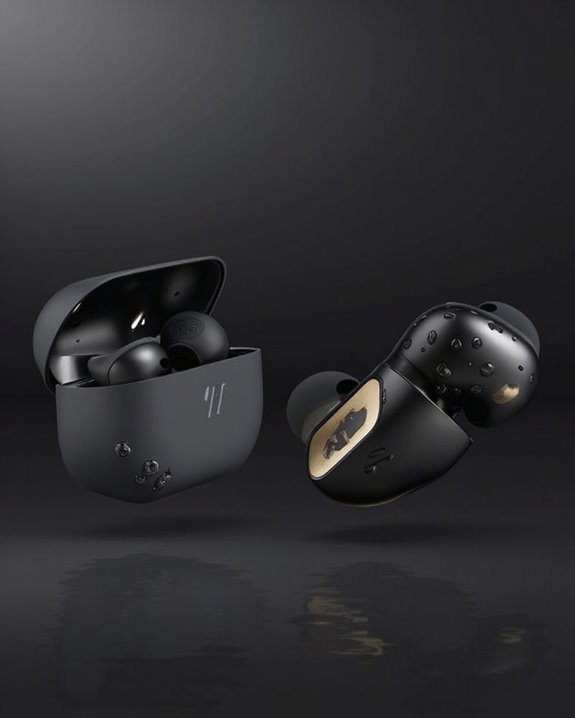
Modern earbuds have evolved dramatically from their simple predecessors, incorporating sophisticated technology that transforms the listening experience. Today’s models offer Enhanced ANC (Active Noise Cancellation) that intelligently filters ambient sound, creating immersive listening environments in virtually any setting.
Wireless connectivity has become standard, with many earbuds supporting multi-device pairing and seamless switching between devices. Most integrate with companion apps that allow customization of sound profiles and touch controls.
Spatial Audio represents one of the most significant advancements, delivering three-dimensional sound that adjusts as users move their heads. This technology creates theater-like experiences directly in the ears.
Water resistance, extended battery life, and voice assistant integration round out the feature set that makes modern earbuds powerful audio solutions beyond simple music playback.
Recommended Products

2026 Bluetooth 5.4 Technology : The wireless earbuds use the bluetooth 5.4 chipset. There is a faster and more stable signal transmission and has successfully achieved low latency without interruption. With a range of up to 15 m, whether you are at home, in the office, or on the road, you don't have to worry about disconnection of the bluetooth earbuds. Automatic pairing & compatible with multiple devices.

Adaptive Noise Cancelling: soundcore P40i noise cancelling earbuds are designed with adaptive ANC technology that adjusts to surrounding noise to support a more comfortable listening experience.

【Active Noise Cancellation & Transparent Mode】GNMN V7 bluetooth earbuds is equipped with upgraded active noise cancellation technology with a noise cancelling depth by up to 45dB, so whether you're indoors or outdoors or traveling on a flight, you'll always be able to enjoy your music or calls without any interruptions. What"s more, simply switch to transparent mode, you can listen to your surroundings when you need to, without having to take off your sports earphones, which makes it easy to communicate with those around you, as well as keep you safe while running, exercising, and working out and more.
How to Select the Perfect Earbuds for Your Needs
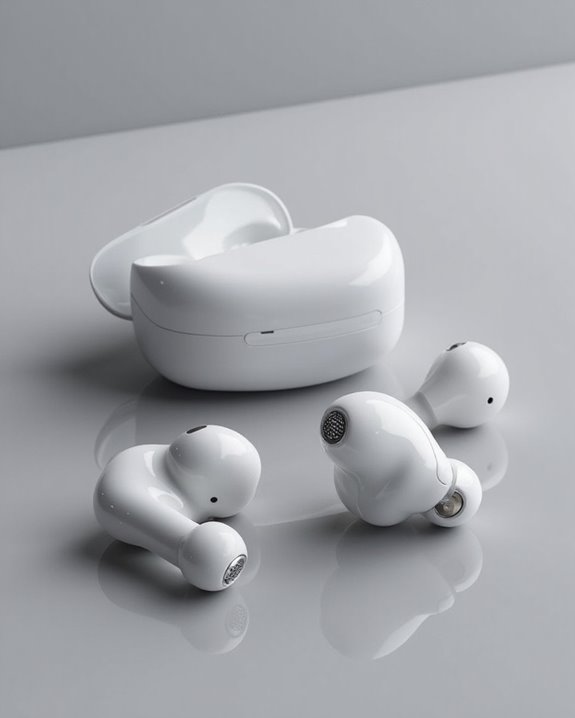
Choosing the perfect earbuds requires careful consideration of several factors that align with personal preferences and usage scenarios. The Criteria Evaluation process should begin with sound quality assessment, examining driver size (10-14mm being ideal) and frequency response range.
Comfort factors demand equal attention during Personal Customization, with multiple ear tip options ensuring proper fit and preventing fatigue during extended use. Battery specifications should deliver at least 4-5 hours of playback, with charging cases extending total usage to 30+ hours.
For active users, durability considerations should include water resistance ratings (IPX4 or higher). Additional features like noise cancellation technology and control interfaces vary considerably between models, affecting both functionality and price point. Bluetooth version and codec support (aptX, AAC) will determine compatibility with existing devices.
Recommended Products

[Ultra-Lightweight Ear Buds Designed for Small Ears] Each earbud weighs only 3.7g and features a compact, ergonomic in-ear design made especially for small ears. Secure, low-profile, and comfortable for workouts, all-day wear or overnight sleeping.The ultra-slim profile sits flush in your ear with no hard edges poking or rubbing, so you can even sleep on your side without discomfort.

1. Active Noise Cancelling Headphones: Our noise cancelling earbuds can effectively block out external disturbances, reducing ambient noise by up to 45dB. Built-in high-sensitivity microphones ensure crystal-clear call quality, minimizing interference.Whether you're on a bustling subway, a noisy street, or in a crowded office, you'll always enjoy your music or calls without any distractions. Immerse yourself in a world of pure audio bliss with our wireless noise cancelling headphones.
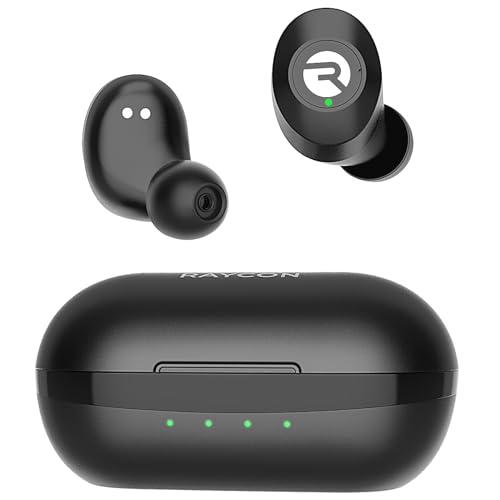
🔇 ACTIVE NOISE CANCELLATION | Enjoy immersive sound with these noise cancelling earbuds designed to reduce distractions at home, work, or on the go. Whether you’re listening to music, taking calls, or gaming, these wireless earbuds deliver focused, high-quality audio in a compact design.
Caring for Your Earbuds to Extend Their Lifespan
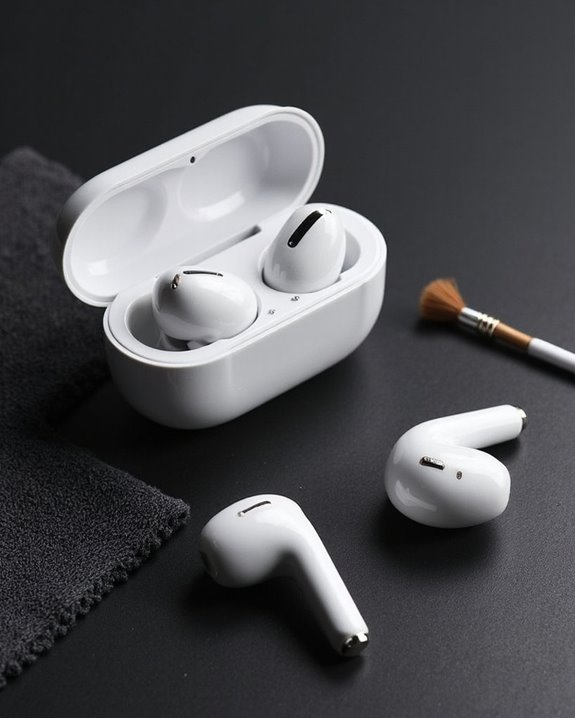
Proper maintenance of earbuds serves as the foundation for ensuring best performance and longevity of these essential audio devices. Regular cleaning with soft, lint-free cloths removes dirt and grime that can degrade sound quality over time. For stubborn residue, slightly dampened materials or isopropyl alcohol can be effective without damaging components.
Damage prevention requires attention to several factors. Users should manage moisture exposure, particularly during exercise, and store earbuds in protective cases when not in use. Cable management prevents tangling and potential wire breakage in wired models. Routine inspection allows for early identification of wear and tear.
For earbud tips, thorough cleaning involves removing them completely, washing with mild soap, and ensuring they dry completely before reattachment to prevent wax buildup and sound blockages.
Recommended Products
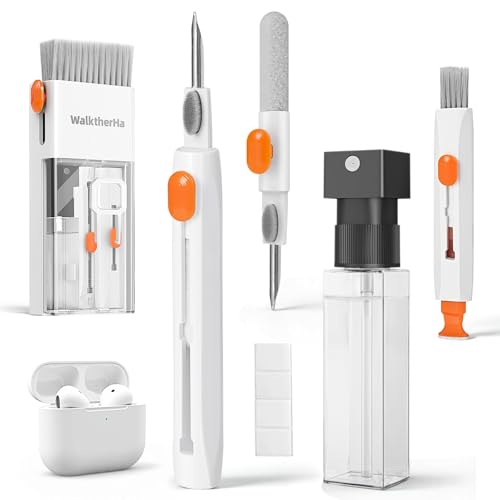
Professional & Powerful: Say goodbye to dirt, grime, and earwax with our 20-in-1 AirPod Cleaner Kit. The metal tip cleans small crevices, sound holes, and charging ports, while the soft brush with high-density bristles gently cleans speaker mesh. The flocking sponge is perfect for earpods charging cases. Airpods cleaning kit also includes a 15ml screen cleaner spray, microfiber cloth, and Airpod cleaning putty for thorough maintenance, preventing build-up and ensuring peak performance

【CLEAN & REPAIR CHARGING PORT】This multi-functional iPhone cleaning kit tool, won't get stuck inside, is sturdy and flexible, and easy to plug and use. Use the port hook, U-shaped brushes and port brushes clean the dirt out of your iPhone, iPad, and Type-c port, remove lint, hair, lint, dust, oil, and other contaminants from the charging port, and leave your phone looking brand new. Extend and protect the life of your beloved Apple products. (Compatible with Type-c charging port)

PRO-LEVEL CLEAN FOR HARD-TO-REACH AREAS – Dust and lint hide deep inside charging ports, speaker grills, and earbuds. This cleaning putty and phone cleaning kit removes debris and earwax from devices safely.
Frequently Asked Questions
Can Earbuds Cause Hearing Damage With Prolonged Use?
Yes, earbuds can cause hearing damage with prolonged use. High volume risks include irreversible harm, especially above 85 dB. Prevention tips: keep volume below 60%, use noise-cancelling models, and take listening breaks regularly.
Are Earbuds Safe to Use While Driving?
Drivers deliberating on earbud use should heed caution. While not explicitly illegal in all jurisdictions, Driving Laws vary by region. Earbuds create Audio Interference that diminishes awareness of surroundings, potentially endangering road safety.
How Do Earbuds Compare to Bone Conduction Headphones?
Earbuds offer superior sound isolation but may limit situational awareness while driving. Bone conduction headphones keep ears open for environmental sounds. Both offer various levels of water resistance, with specialized models for athletic activities.
Can Children Safely Use Earbuds?
Like telegrams of old, moderation is key. Children can use earbuds with proper supervision regarding Child Ear Safety. Age Suitability suggests limiting volume below 85dB, using time restrictions, and considering over-ear alternatives for younger users.
Do Earbuds Work Effectively With Hearing Aids?
Earbud-hearing aid compatibility varies by device type. Invisible-in-canal aids offer better sound synergy with earbuds than behind-the-ear models. Aid compatibility depends on careful selection to avoid feedback issues when using both simultaneously.