As an Amazon Associate, we earn from qualifying purchases. Some links on this site are affiliate links at no extra cost to you. Our recommendations are based on thorough research and editorial judgment.

How Do Noise Canceling Headphones Work?

Noise-canceling headphones use active noise cancellation technology to eliminate unwanted ambient sounds. Microphones on the headphones detect external noise, then specialized electronics generate sound waves that are precisely opposite (180° out of phase) to the unwanted noise. When these opposing waves meet, they cancel each other through destructive interference, creating a quieter listening environment. This process works best with consistent low-frequency sounds like airplane engines or HVAC systems. Understanding the components and limitations reveals why these devices perform differently across various environments.
Key Takeaways
- Noise-canceling headphones use microphones to detect ambient sounds, then generate inverse sound waves that cause destructive interference with unwanted noise.
- Active noise cancellation works through the superposition principle, creating sound waves that are equal in amplitude but opposite in phase to noise.
- These headphones excel at reducing low-frequency consistent sounds like airplane engines and HVAC systems, but struggle with sudden or high-pitched noises.
- Components include microphones, digital signal processors, phase inverters, sound-absorbing foam, and specialized drivers to produce neutralizing sound waves.
- Many modern headphones combine active cancellation with passive isolation (physical blocking) to achieve better noise reduction across all frequency ranges.
The Science Behind Active Noise Cancellation Technology
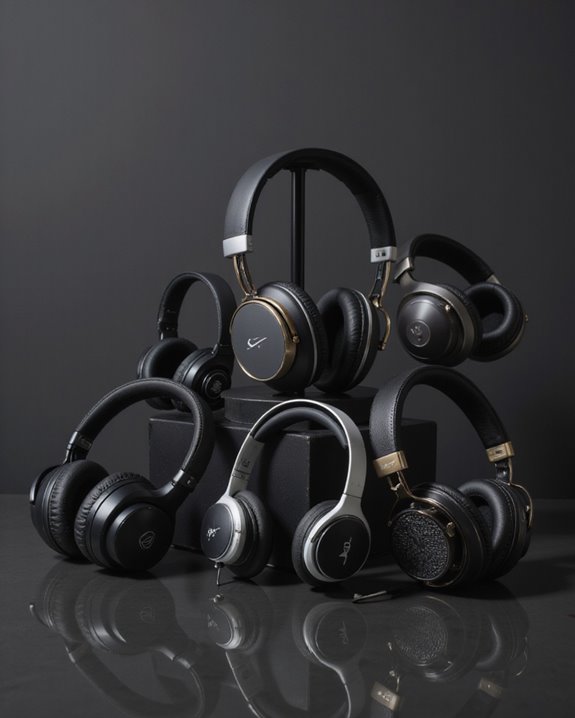
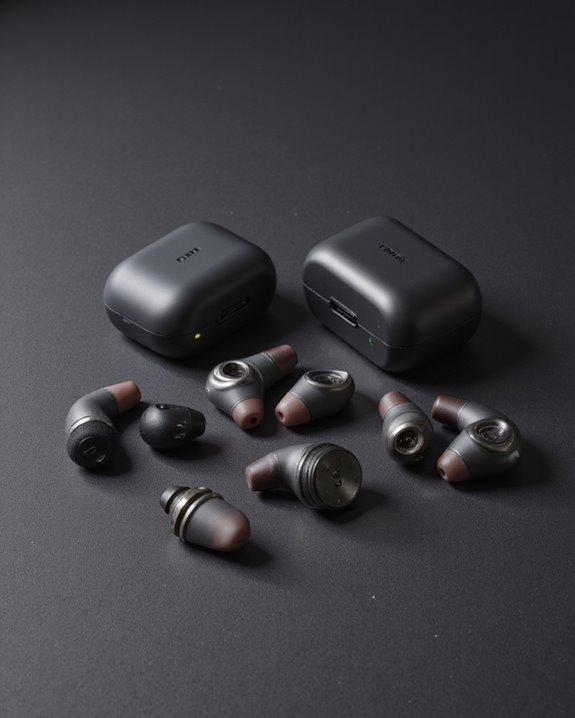
How exactly do noise-canceling headphones create those bubbles of silence in noisy environments? The answer lies in a technology called Active Noise Cancellation (ANC), which employs the Superposition Principle of sound waves.
ANC works through a sophisticated process of sound detection and Wave Inversion. Microphones built into the headphones capture ambient noise from the surrounding environment. These audio signals are then analyzed by digital signal processors that generate an inverse sound wave—essentially the exact opposite of the detected noise.
When these inverse waves meet the original noise waves, they effectively cancel each other out through destructive interference. This process happens in real-time, continuously adapting to changing noise patterns.
ANC performs best with consistent low-frequency sounds like airplane engines or air conditioners, though it struggles with complex high-frequency noises such as conversations. Many modern headphones enhance ANC effectiveness by using multiple microphones to detect and reduce a wider range of external noise.
Essential Components That Make Noise Cancelling Work
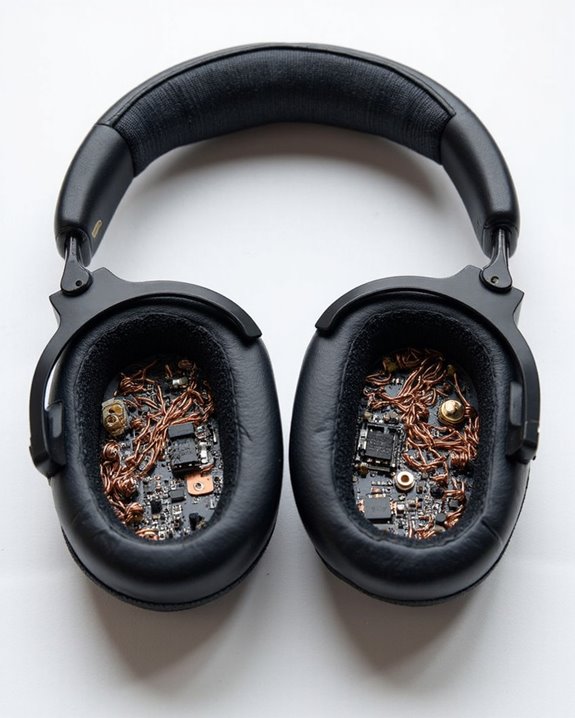
The creation of an effective noise-canceling headphone system requires several precisely engineered components working in harmony. At the core are carefully positioned microphones that detect external sounds before they reach the ear and internal microphones that monitor what passes through.
Sound-absorbing foam materials provide passive noise reduction while creating a sealed environment around the ears. Memory foam and cushioning enhance both comfort and sound isolation.
The electronic foundation consists of sophisticated circuit components: op-amp pre-amplifiers strengthen microphone signals, phase inverters create opposing sound waves, and resistors regulate signal gain. Capacitors store energy to power these processes.
Advanced driver technology converts these processed signals into precise sound waves that neutralize ambient noise. The entire system is managed by control software that continuously optimizes noise cancellation performance in real-time.
Some headphones, like the Beats Studio Pro, use fully-adaptive active noise cancelling to dynamically adjust to changing environments for superior noise reduction.
Recommended Products

Powerful Noise Cancelling Technology: KVIDIO Active noise cancelling headphones block out up to 95% of ambient noise. It could be a lifesaver from TV, podcasts, and traffic noise while studying or working from home, so you concentrate on what’s important to you

NOISE CANCELLING HEADPHONES: Effortlessly combines noise cancellation technology with passive features so you can shut off the outside world, quiet distractions, and take music beyond the beat

All-Day Comfort & Premium Design: Crafted with high-quality materials, these over-ear wireless headphones combine luxury with long-wearing comfort. The adjustable headband ensures a secure fit for all head sizes, while ultra-soft memory foam ear cups minimize pressure. Lightweight and ergonomic, they're ideal for work, travel, or leisure—keeping you comfortable even during extended use
When Noise Cancellation Shines (And When It Doesn’t)
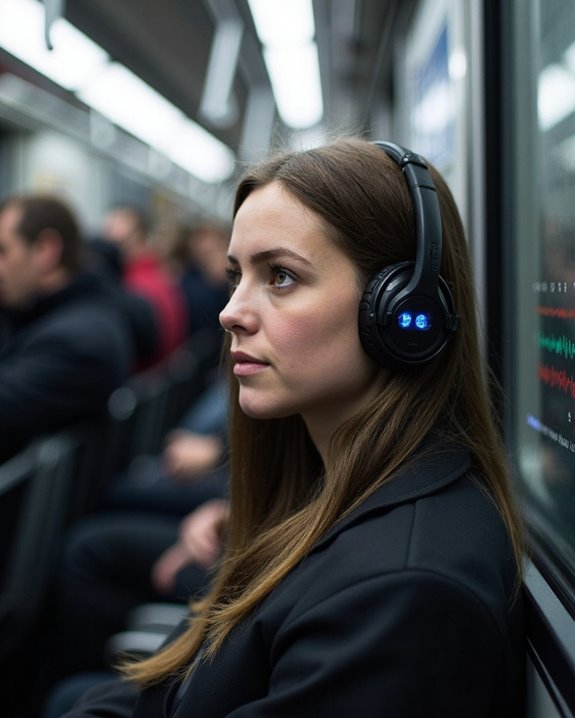
Understanding where noise cancellation technology truly excels requires examining specific environments and sound types. Active Noise Cancellation (ANC) performs effectively against consistent, low-frequency sounds like airplane engines, HVAC systems, and public transport hums, creating superior Audio Immersion in these environments.
ANC headphones deliver substantial benefits in:
- Office settings with predictable background noise
- Air travel with constant engine drone
- Commuting on buses and trains
- Café environments with steady background chatter
However, limitations exist. ANC struggles with:
- Sudden, transient sounds like door slams or sirens
- High-pitched, unpredictable noises
- Environments requiring a poor-fitting headphone seal
For effective Distraction Management, users should recognize these parameters. While noise cancellation technology substantially reduces steady background noise, allowing lower listening volumes, it cannot eliminate all sound types with equal effectiveness. Some models, such as the Sony WH-CH720N, enhance performance using Dual Noise Sensor technology to improve noise cancellation immersion.
Recommended Products

Hybrid Active Noise Cancelling: 2 internal and 2 external mics work in tandem to detect external noise and effectively reduce up to 90% of it, no matter in trains or offices.

【High-resolution music】With Hi-Res audio and LDAC technology, YMOO Y7Pro Noise Cancelling Headphones have 40mm dynamic drivers, high-end bio-diaphragm, and master tuning. In terms of sound performance, the bass is powerful, the mid-frequency is soft, and the treble is beautiful. The highly flexible silk diaphragm reproduces powerful lows and clear highs up to 40kHz.

Better Silence Better Sound: 360 surrounding Over Ear Noise-Isolation construction allow you to block-out up to 85% ambient sounds and disruption. Plus its 40mm DLC dynamic driver to deliver well-balanced bass and treble performance combined with a clear stereo mid range, you can easily get a truly focused immersive listening experience when studying or playing
Active vs. Passive: Understanding Different Noise Reduction Methods
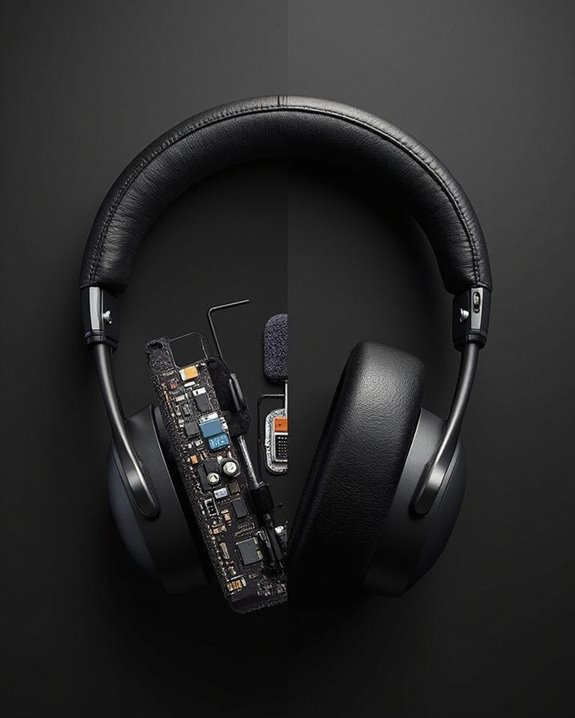
When exploring noise reduction technologies, two fundamentally different approaches emerge: active noise cancellation and passive noise isolation. Active noise cancellation (ANC) employs microphones and sound-canceling technology to generate opposing sound waves, effectively neutralizing low-frequency ambient noise up to 30dB. This method excels at eliminating consistent sounds like engine rumble but requires battery power.
Passive noise isolation relies on ergonomic designs that physically block external sounds through well-fitted earcups or earbuds. This approach preserves audio quality without distortion and performs better against high-frequency noises like conversations.
Many manufacturers now offer hybrid models combining both technologies for ideal performance across all frequency ranges. These sophisticated devices allow users to enjoy the benefits of both approaches—superior sound quality from passive isolation with enhanced low-frequency noise reduction from active technology.
Recommended Products

【Extremely Comfortable to Wear】: Wrap your child's ears in cloud-like softness! Dr.meter noise cancelling headphone is made of premium memory foam cores with PU leather padding, creating a breathable seal that stays cozy during monster jams, fireworks, concerts, or even long-term sports events. Designed for providing comfortable wearing—no itching or pressure marks!
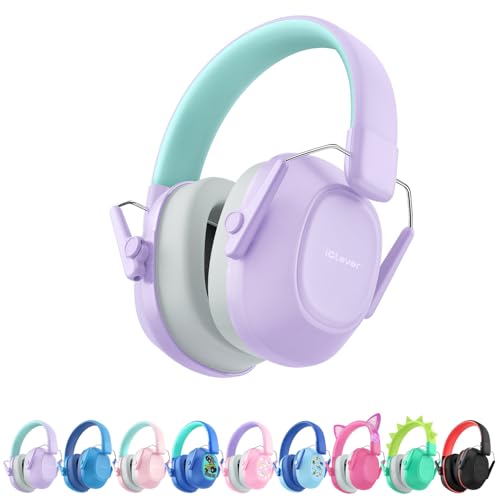
【Double-Certified Safety】Certified to ANSI S3.19-1974 & CE EN 352-1 for reliable hearing protection. We combined the 22mm porous sound-absorbing sponge and custom-made honeycomb acoustic sponge together to absorb and reduce noises while ensuring comfy wearing, achieving an SNR of 29dB and offering reductions up to 46dB under certain scenarios. Please note that earmuffs cannot 100% eliminate noise.

Constructed by solid ABS shell and thickened sound-absorbing foam, our earmuffs achieve SNR 27 dB noise-isolation, ANSI S3.19 (US) and CE EN352-1(EU) both certified, which can reduce sensory overload, perfect for kids with autism or sensory issues
Real-World Benefits for Travelers, Commuters and Office Workers
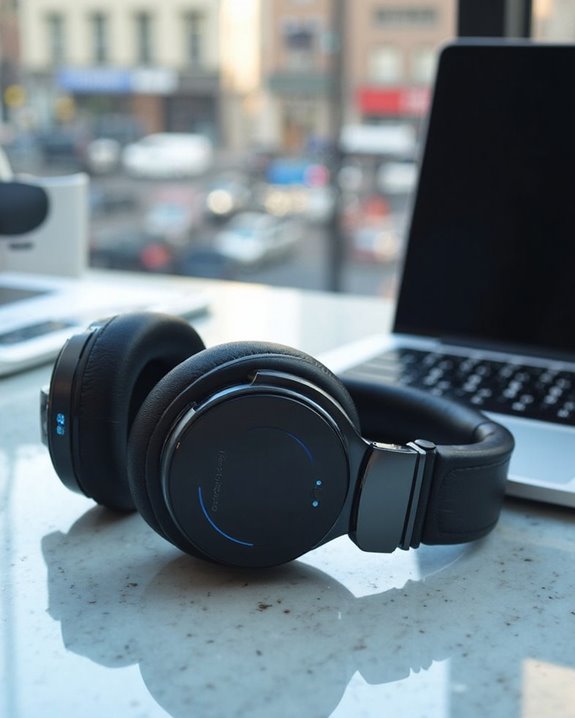
Noise-cancellation technology transforms everyday experiences for millions of users across various environments. In travel settings, these devices enhance Travel Wellness by reducing ambient noise on planes and trains, allowing for improved relaxation, clearer audio detail, and decreased mental fatigue during long journeys.
Commuters experience reduced stress levels and improved situational awareness with transparency modes that permit selective environmental sound filtering. The technology also helps prevent potential hearing damage by eliminating the need to increase volume in noisy surroundings.
In workplace settings, noise-canceling headphones greatly boost Office Efficiency by minimizing distractions in open-plan environments. Professionals report enhanced concentration, reduced fatigue, and clearer communication during calls. By creating personalized acoustic environments, these devices contribute to productivity across diverse settings without compromising awareness of important environmental cues.
Recommended Products

【Hybrid Active Noise Cancelling Headphones】Adopted advanced hybrid Active Noise Canceling technology, blocking up to 96.7% of background noise and reducing ambient noise by 45dB effectively. Enjoy a quiet personal audio space during daily commutes, gaming, long trips or in the office

INCREDIBLE SOUND: Custom acoustic platform delivers rich, balanced audio for music, calls and everyday listening.

USB C HEADSET: NUBWO wired USB C/3.5mm headset with microphone can be used in the office, at home oranywhere else.
Technical Limitations and Future Innovations in Headphone Design
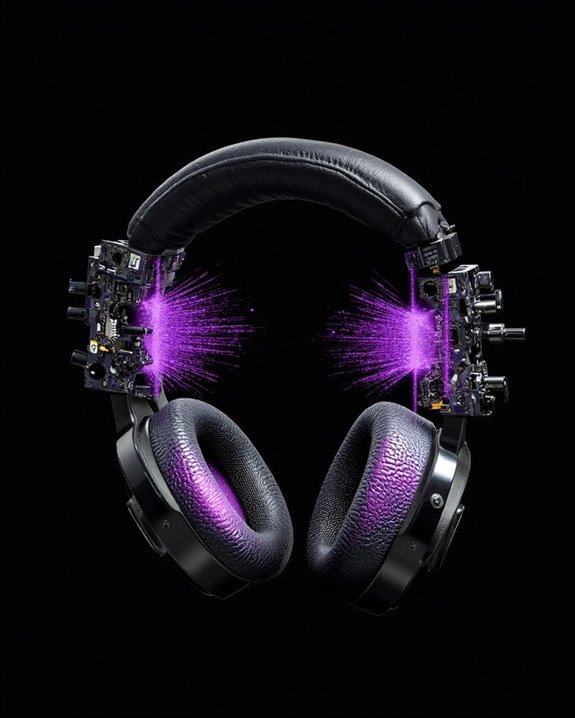
Despite their impressive capabilities, noise-canceling headphones face several technical constraints that influence their performance in real-world scenarios. Higher frequency sounds prove particularly challenging to cancel effectively due to their shorter wavelengths, resulting in performance that typically reduces ambient noise by only 20-40 dB.
Current Durability Limitations stem from the necessary additional electronics, which increase size, weight, and power consumption while reducing battery life. Many models sacrifice comfort for noise isolation through tighter clamping force, creating potential discomfort during extended use.
Future Comfort Innovations are targeting these limitations through hybrid microphone arrays that combine feedforward and feedback systems. Advanced materials and improved algorithms are being developed to enhance passive isolation while maintaining a spacious soundstage. Manufacturers are also focusing on ergonomic designs that balance effective noise reduction with extended wearing comfort.
Recommended Products

Block the World, Keep the Music: Four built-in mics work together to filter out background noise — whether you're in a packed office, on a crowded commute, or moving through a busy street — so every beat comes through clean and clear. (Not available in AUX-in mode.)

34 dB NRR — Proven, Compact & Trusted for Over 10 Years: Since 2013, we’ve designed sleeker, lighter safety earmuffs without sacrificing performance — launching one of the first models certified at 34dB NRR, a rare achievement for compact soundproof earmuffs. Most ear muffs above 30 dB are bulky and heavy; ours deliver powerful noise protection with lasting comfort, fold to pocket size, and give you the confidence to take on shooting ranges, hunting, yard work, and any loud environment

All-Day Comfort & Premium Design: Crafted with high-quality materials, these over-ear wireless headphones combine luxury with long-wearing comfort. The adjustable headband ensures a secure fit for all head sizes, while ultra-soft memory foam ear cups minimize pressure. Lightweight and ergonomic, they’re ideal for work, travel, or leisure—keeping you comfortable even during extended use
Frequently Asked Questions
Do Noise-Cancelling Headphones Cause Headaches or Ear Pressure?
Like a vacuum for sound, noise-cancelling headphones can cause perceived pressure buildup in the ears for some users. This sensation, though typically temporary, may contribute to headache frequency during prolonged use sessions.
Can Noise-Cancelling Technology Damage Your Hearing Over Time?
Noise-cancelling technology itself poses minimal hearing risks. Long-term safety concerns stem primarily from volume levels, not the cancellation technology. Users who maintain moderate volumes experience no increased risk of hearing damage over time.
Why Do Some People Hear a Hissing Sound With ANC Activated?
The hiss origins in ANC headphones stem from electrical noise generated by noise-cancellation circuitry. This signal interference is more noticeable to users with sensitive hearing when ambient noise is minimal.
How Much Extra Battery Life Does Disabling Noise Cancellation Save?
Disabling ANC typically extends battery life by 5-15 hours, depending on the headphone model. Battery savings vary substantially across brands, with high-end models demonstrating greater energy efficiency improvements when noise cancellation features are turned off.
Can Noise-Cancelling Headphones Be Used Without Playing Any Music?
Just as silence enhances focus, noise-canceling headphones can be used without music playing. Users can experience silent enjoyment of reduced ambient noise through ANC technology, which actively blocks environmental sounds even when no audio is playing.