As an Amazon Associate, we earn from qualifying purchases. Some links on this site are affiliate links at no extra cost to you. Our recommendations are based on thorough research and editorial judgment.

What Are ANC Headphones? Understanding Active Noise Cancellation

ANC (Active Noise Cancellation) headphones use advanced technology to reduce unwanted ambient noise. They work by detecting external sounds via built-in microphones, then generating inverse sound waves that cancel these noises through destructive interference. Most ANC headphones reduce noise by 20-40 dB, performing best against low-frequency sounds (20-800 Hz). Three main types exist: feedforward, feedback, and hybrid systems, each with distinct advantages for different environments. Understanding these technical aspects helps users select the best noise-canceling solution.
Key Takeaways
- ANC headphones use microphones to detect ambient noise, then create inverse sound waves that cancel unwanted sounds.
- These headphones achieve noise reduction levels of 20-40 dB, performing best against low-frequency sounds between 20-800 Hz.
- Three types exist: feedforward (external mics), feedback (internal mics), and hybrid systems combining both for broader cancellation.
- ANC technology excels at reducing consistent, low-frequency noise but struggles with unpredictable high-frequency sounds.
- Beyond noise reduction, ANC headphones can reduce stress, lower cortisol levels, and create personal quiet zones for better focus.
The Science Behind Active Noise Cancellation
You may be interested
Do TVs Still Have Headphone Jacks in 2026?
August 15, 2025

How Do Bone Conduction Headphones Work?
June 17, 2025
Active noise cancellation (ANC) operates on the fundamental principle of destructive interference, where specially designed systems generate sound waves that are exact opposites of unwanted ambient noise. When these phase-inverted sound waves collide with incoming noise, they effectively neutralize each other, creating a quieter listening environment.
ANC technology excels particularly at reducing low-frequency sounds between 20-800 Hz, such as engine rumbles, air conditioner hums, and airplane cabin noise. The process relies on strategically positioned microphones that capture ambient sounds before they reach the ear. These signals are then processed by electronic circuitry that generates the inverse waveform.
Most commercial ANC headphones achieve noise reduction levels between 20-40 dB, substantially diminishing environmental distractions. However, the technology has limitations—it performs best against consistent, predictable noise patterns rather than sudden, irregular sounds. Some advanced models, like the Soundcore Space A40, can reduce noise by up to 98% using adaptive noise cancelling technology that automatically adjusts to surrounding sounds.
How ANC Technology Actually Works
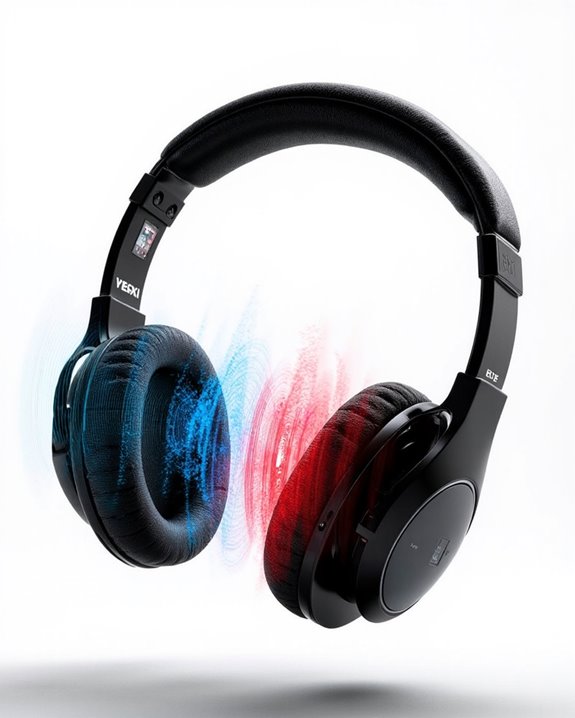
Precisely how does noise-cancelling magic happen inside those sleek headphones? The process begins with strategically placed microphones that detect ambient noise around the listener. This audio information is instantly fed to an ANC chipset—the brain of the operation.
Through a principle called Wave Inversion, the chipset generates sound waves that are the exact opposite (180 degrees out of phase) of the detected noise. When these anti-noise signals mix with incoming sound waves, they effectively neutralize each other, creating zones of relative quiet.
Real Time Monitoring systems continuously adjust these anti-noise waves to match changing environmental sounds. As ambient noise patterns shift, internal microphones detect these changes, and the ANC processor adapts its output accordingly. This constant adaptation guarantees maximum noise reduction regardless of changing surroundings.
Many advanced ANC headphones, such as the Beats Studio Pro, combine fully-adaptive active noise cancelling with features like Transparency mode to further enhance user experience.
Feedforward vs. Feedback: Different ANC Approaches
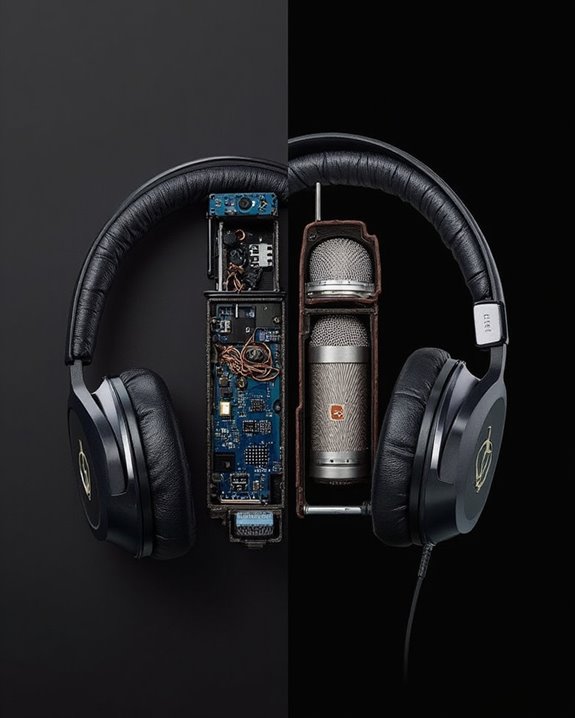
Not all noise-cancellation systems are created equal. The two primary ANC architectures—feedforward and feedback—differ substantially in their microphone placement and performance characteristics, leading to varied adoption rates across different consumer segments.
Feedforward systems position microphones externally, capturing ambient noise before it reaches the ear. This configuration excels at mid-frequency isolation but may amplify wind noise, affecting outdoor usability. Its simpler implementation makes it cost-effective for entry-level ANC products.
Feedback systems, with internal microphones, monitor sound at the ear directly. These systems handle low-frequency noise effectively and offer superior wind resistance—key preference factors for commuters and travelers. Their ability to adapt to fit variations and automatically correct signals provides consistent performance across different users.
Each approach presents distinct advantages depending on intended use environment and target noise profiles. Many active cancellation systems also incorporate AI-powered algorithms for dynamic external sound reduction, enhancing overall noise suppression performance.
Recommended Products

Advanced Noise Cancellation Technology: Maintain your focus with Life Q30’s hybrid active noise cancellation. Dual noise-detecting microphones pick up and filter out up to 95% of low-frequency ambient sound to ensure nothing distracts you from your music.

Block the World, Keep the Music: Four built-in mics work together to filter out background noise — whether you're in a packed office, on a crowded commute, or moving through a busy street — so every beat comes through clean and clear. (Not available in AUX-in mode.)

Hybrid Active Noise Cancelling: 2 internal and 2 external mics work in tandem to detect external noise and effectively reduce up to 90% of it, no matter in trains or offices.
Hybrid ANC Systems: The Best of Both Worlds
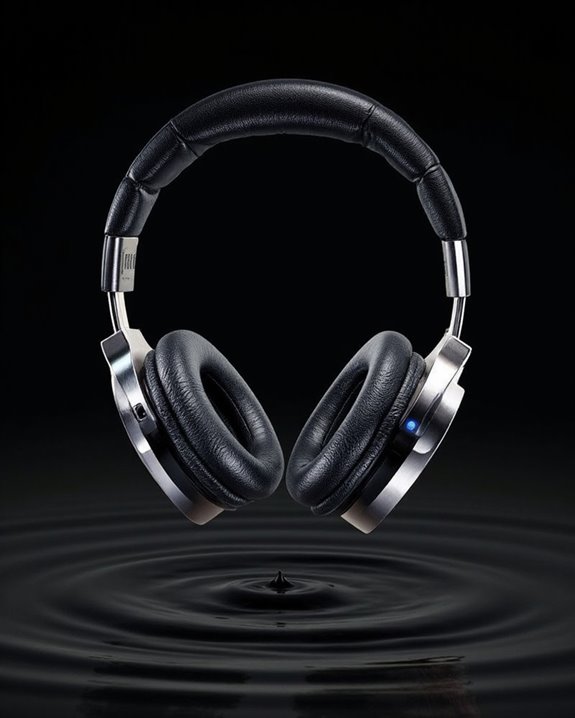
The evolution of noise-cancellation technology has led to hybrid ANC systems, which combine feedforward and feedback approaches into a single, complete solution. These sophisticated systems utilize both external and internal microphones to capture and cancel noise across a broader frequency spectrum, addressing limitations of single-approach methods.
Modern Audio Integration in hybrid systems allows for seamless connection with various devices while maintaining superior sound quality during noise cancellation. The technology adapts to different environments, making it ideal for frequent travelers and office workers alike.
Current Wearable Trends show hybrid ANC becoming increasingly popular in premium headphones like the Jabra Elite 5. While typically more expensive than standard ANC options, hybrid systems offer superior performance by effectively canceling both low-frequency rumbles and higher-pitched sounds for a more immersive listening experience.
Recommended Products

【Comfortable and Portable Design】
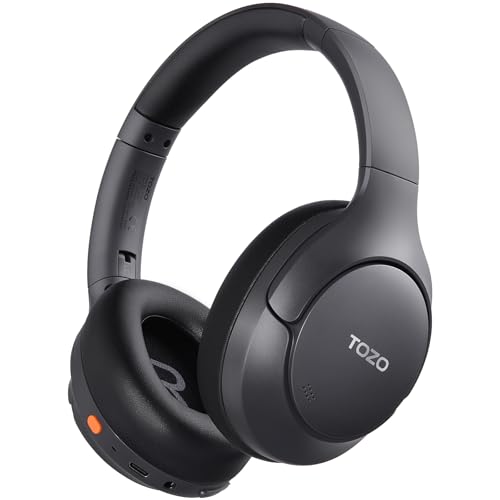
[45dB ANC & Hybrid Noise Cancellation] Enjoy unmatched tranquility with Adaptive ANC and Hybrid Noise Cancellation. Four high-sensitivity microphones continuously detect and adapt to your surroundings—whether you're on a noisy subway, airplane, or in a bustling café. A single press restores complete silence, while a dedicated call mic ensures crystal-clear voice quality, even in noisy environments. Ideal for both calls and music, offering superior audio no matter where you are.

ADVANCED ACTIVE NOISE CANCELLATION: RUNOLIM noise canceling headphones for adults have been proven to effectively reduce external ambient noise by 95% in over 10,000 experimental results, allowing you to enjoy true pure music and focus on your own business, no matter on a noisy street or coffee shop.
Real-World Benefits of Using ANC Headphones
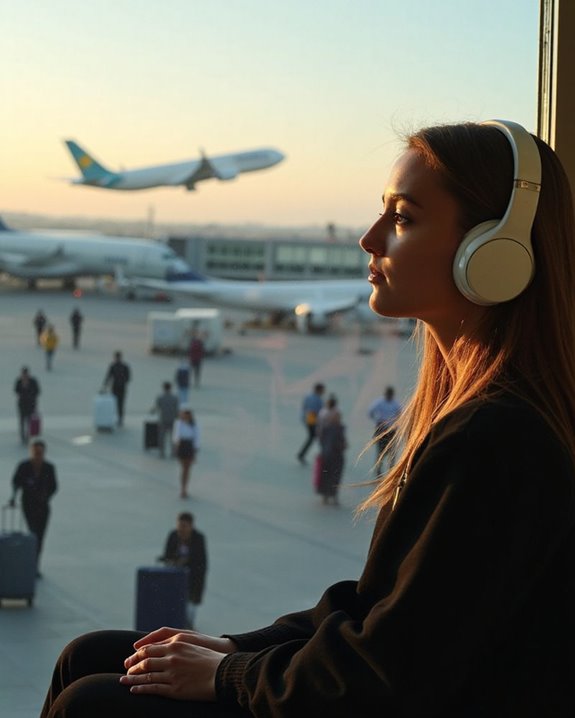
Why have noise-canceling headphones become essential tools for modern life beyond mere convenience? ANC technology offers substantial advantages across various environments by effectively reducing low-frequency ambient noise that can impact both physical and mental wellbeing.
Health Impacts of ANC headphones extend beyond comfort to include measurable benefits like stress reduction, improved hormonal balance, and prevention of noise-induced hearing loss. Studies show reduced cortisol levels and lower blood pressure among users who regularly employ noise cancellation in high-stress environments.
The Travel Benefits are equally important, with ANC headphones creating personal quiet zones during commutes and flights. This technology enables improved focus and cognitive function while traveling, and allows users to enjoy audio content at lower, safer volumes without competing against environmental noise.
Recommended Products
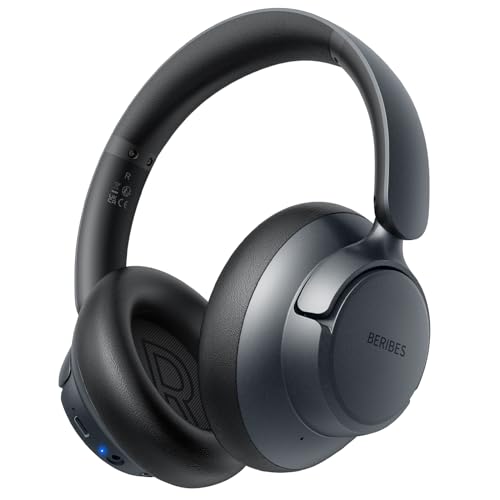
Active Noise Cancelling (ANC) ,Transparent Mode: Professional advanced noise cancellation silences up to 95% of machine noise. "Transparent Mode" This feature lets in ambient noise, so you can easily hear announcements on a bus or subway, or listen to what's happening around you without removing the active noise cancelling headphones. The sensitive buttons control makes it easy to switch between this two modes.

70+ Hours Total Playtime Charge Once And Cover Nearly Two Full Work Weeks. Anc Mode Still Delivers 40+ Hours — Enough For A Long-Haul Flight And The Week After. No Fast Charge Mentioned.

Powerful Noise Cancelling Technology: KVIDIO Active noise cancelling headphones block out up to 95% of ambient noise. It could be a lifesaver from TV, podcasts, and traffic noise while studying or working from home, so you concentrate on what’s important to you
Limitations of Active Noise Cancellation Technology
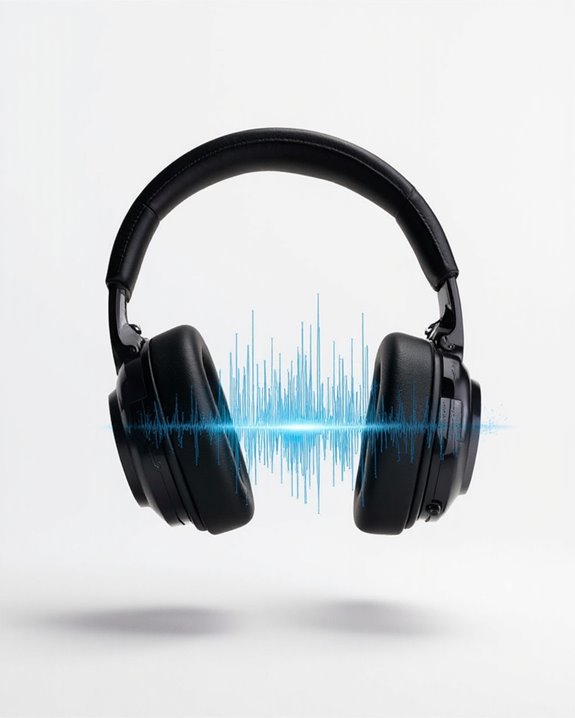
Despite their impressive capabilities, active noise cancellation headphones face several inherent technological constraints that limit their effectiveness in real-world scenarios. The technology struggles particularly with high-frequency sounds, as these are more difficult to accurately sample and cancel compared to lower frequencies.
Battery Drain represents a significant drawback, as the active components require continuous power to function. This increased energy consumption significantly reduces usage time between charges compared to passive headphones.
ANC technology also introduces Safety Risks by reducing environmental awareness. Users may miss important auditory cues like emergency sirens, approaching vehicles, or announcements, making them potentially hazardous in situations requiring situational awareness. This limitation is particularly concerning for pedestrians in urban environments or travelers in transit stations.
Comparing ANC to Passive Noise Isolation
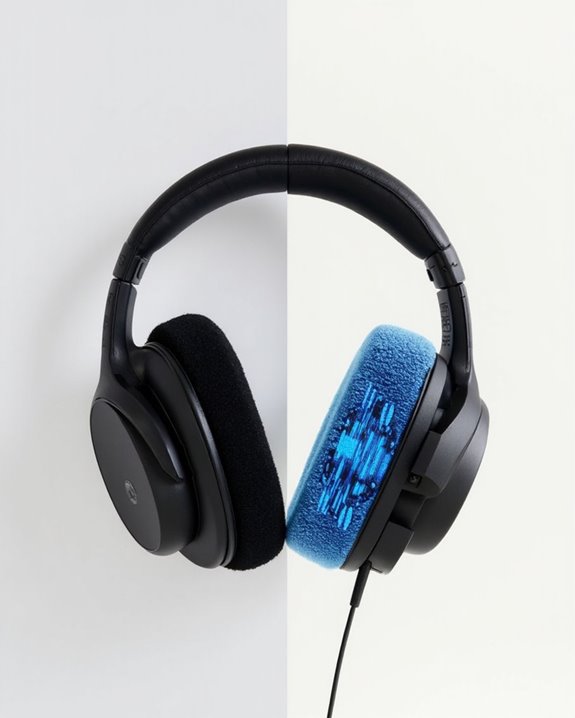
When examining noise reduction technologies in modern headphones, two fundamentally different approaches emerge: Active Noise Cancellation (ANC) and Passive Noise Isolation (PNI). ANC employs microphones and electronic circuitry to detect and counteract external sounds, while PNI relies solely on physical barriers to block noise.
The effectiveness varies by frequency range—ANC excels at reducing low-frequency, constant noises like airplane engines, while PNI better handles higher frequencies through physical blocking. Cost differences are significant, with ANC headphones commanding premium prices due to their advanced technology components.
Comfort tradeoffs exist between these approaches. PNI requires tight-fitting ear cups or buds for effective sealing, while ANC models may add weight from batteries and circuitry. Battery dependence represents another distinction, as PNI functions without power, offering reliability in extended usage scenarios.
Recommended Products

【Extremely Comfortable to Wear】: Wrap your child's ears in cloud-like softness! Dr.meter noise cancelling headphone is made of premium memory foam cores with PU leather padding, creating a breathable seal that stays cozy during monster jams, fireworks, concerts, or even long-term sports events. Designed for providing comfortable wearing—no itching or pressure marks!
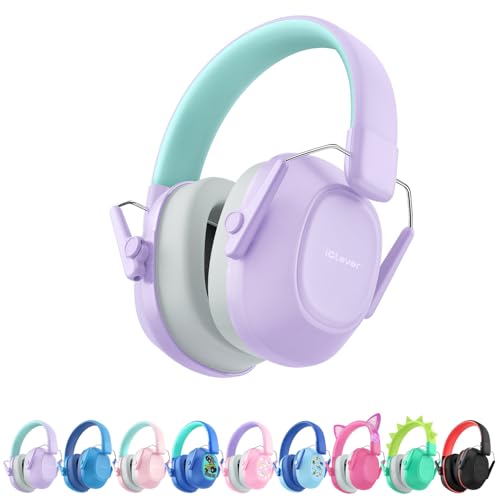
【Double-Certified Safety】Certified to ANSI S3.19-1974 & CE EN 352-1 for reliable hearing protection. We combined the 22mm porous sound-absorbing sponge and custom-made honeycomb acoustic sponge together to absorb and reduce noises while ensuring comfy wearing, achieving an SNR of 29dB and offering reductions up to 46dB under certain scenarios. Please note that earmuffs cannot 100% eliminate noise.

NOISE CANCELLING HEADPHONES: Effortlessly combines noise cancellation technology with passive features so you can shut off the outside world, quiet distractions, and take music beyond the beat
Essential Features to Look for When Buying ANC Headphones
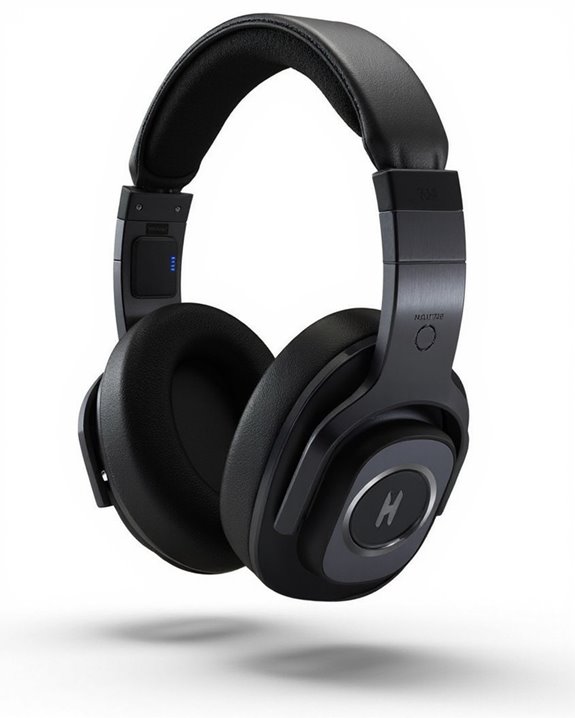
Having compared the fundamentals of noise reduction technologies, prospective buyers must understand which specific features make ANC headphones worth their premium price tag. When evaluating options, consumers should prioritize noise reduction capacity (20-40dB) and frequency range effectiveness.
Comfort Features represent essential considerations for extended use. Ergonomic designs with quality ear cushions, lightweight construction, and adjustable headbands prevent fatigue during long listening sessions. These elements complement the technical noise-canceling capabilities.
Battery Options greatly impact user experience. Most premium models offer 20+ hours of playback, with quick-charging technology providing several hours of use from minimal charging time. Models with transparency modes allow users to temporarily hear environmental sounds without removing headphones.
Additional considerations include wireless connectivity, water resistance ratings, and integration with voice assistants for enhanced functionality in various environments.
Recommended Products

Hybrid Active Noise Cancelling Bluetooth Over Ear Headphones Wireless, Hi-Res Audio, Memory Foam Earcup, ANC Headphone Dark Blue Black
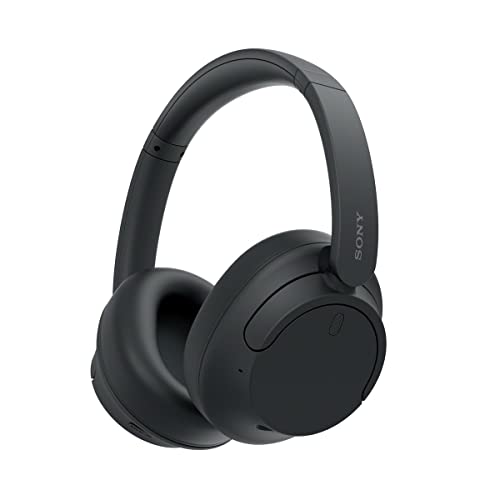
SONY’S LIGHTEST WIRELESS NOISE CANCELING HEADBAND EVER: Weighing just 192g, our lightest overhead wireless headphones with Noise Canceling yet, for incredible comfort without compromising on technology.

70+ Hours Total Playtime Charge Once And Cover Nearly Two Full Work Weeks. Anc Mode Still Delivers 40+ Hours — Enough For A Long-Haul Flight And The Week After. No Fast Charge Mentioned.
Frequently Asked Questions
Can ANC Headphones Cause Headaches or Ear Discomfort?
ANC headphones can trigger headaches in some users due to ear pressure sensations. The technology creates a pressure-like feeling that may cause discomfort, particularly among individuals sensitive to inner ear stimulation or pressure changes.
Are ANC Headphones Safe to Use While Driving or Cycling?
ANC headphones compromise driving safety and reduce cycling awareness by blocking important auditory cues. They’re illegal for drivers in many states and risky for cyclists, who should prioritize environmental awareness over audio quality.
How Do I Troubleshoot When ANC Suddenly Stops Working?
When ANC stops working, one should first check the headphone’s battery level. Then perform a firmware update via the manufacturer’s app. A reset may also restore functionality if software issues persist.
Can ANC Headphones Be Used Effectively on Airplanes During Takeoff?
Silent amidst the roar, ANC headphones function exceptionally during takeoff. They effectively combat flight noise by generating inverse sound waves. Travelers should conduct ANC testing before departure to guarantee ideal performance throughout their journey.
Do ANC Headphones Work With Hearing Aids?
ANC headphones can work with hearing aids. Compatibility options depend on hearing aid type, with over-the-ear designs typically providing better hearing integration for BTE and RIC aids while minimizing feedback issues.