As an Amazon Associate, we earn from qualifying purchases. Some links on this site are affiliate links at no extra cost to you. Our recommendations are based on thorough research and editorial judgment.
Are Noise Cancelling Headphones Safe to Use?

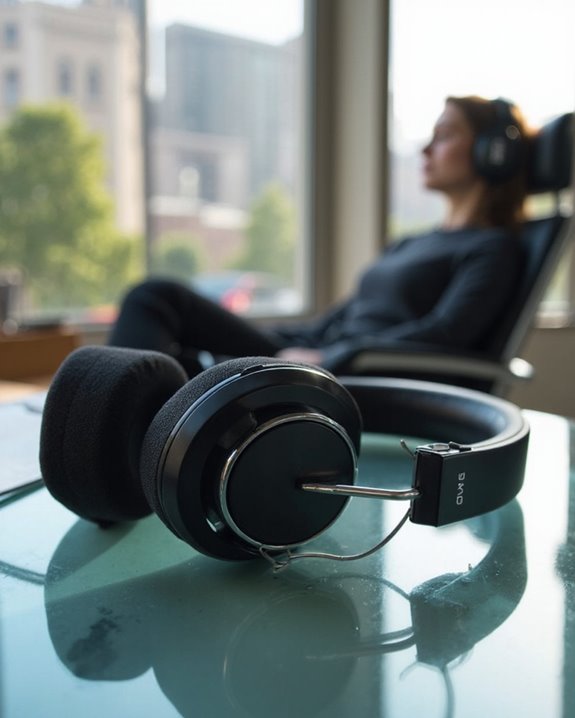
Noise cancelling headphones are generally safe for regular use and can actually benefit hearing health. They reduce the need to turn up volume in noisy environments, potentially preventing hearing damage. Studies show they decrease stress by lowering cortisol levels and improve concentration by reducing cognitive load. For maximum safety, users should maintain moderate volume levels, take periodic breaks, and use transparency modes in potentially hazardous situations. Proper usage guidelines guarantee both auditory protection and enhanced listening experiences.
Key Takeaways
- Noise cancelling headphones are generally safe and may actually protect hearing by reducing the need to raise volume in noisy environments.
- They do not damage hearing directly, though risks remain from listening at high volumes exceeding 85 dBA for extended periods.
- Regular breaks during use help prevent ear fatigue and potential auditory adaptation issues.
- Research shows they can reduce stress levels by decreasing cortisol and sympathetic nervous system activation.
- Users should maintain situational awareness by using transparency modes when safety requires environmental sound detection.
How Noise Cancellation Technology Works
You may be interested
10 Best Active Noise Cancelling
July 5, 2024
How do those sleek noise cancelling headphones actually eliminate unwanted sounds? The technology relies on the principle of phase cancellation, a scientific concept dating back to the 1930s. When external noise enters the headphone space, strategically placed microphones capture these sound waves.
A processor within the headphones analyzes these incoming sound signals and generates identical “anti-noise” waves that are 180 degrees out of phase with the original noise. When these opposing waves meet, they create destructive wave interference, effectively neutralizing unwanted ambient sound before it reaches your ears.
This process happens continuously in real-time, with the system constantly sampling and counteracting environmental noise. While complete silence is rarely achieved, noise cancelling headphones typically reduce ambient sound by 20-40 decibels, substantially diminishing background disturbances like airplane engine rumble or office chatter. Advanced models, such as those using hybrid active noise cancelling with multiple microphones, can reduce up to 90% of external noise for an even more immersive experience.
Recommended Products

【Extremely Comfortable to Wear】: Wrap your child's ears in cloud-like softness! Dr.meter noise cancelling headphone is made of premium memory foam cores with PU leather padding, creating a breathable seal that stays cozy during monster jams, fireworks, concerts, or even long-term sports events. Designed for providing comfortable wearing—no itching or pressure marks!
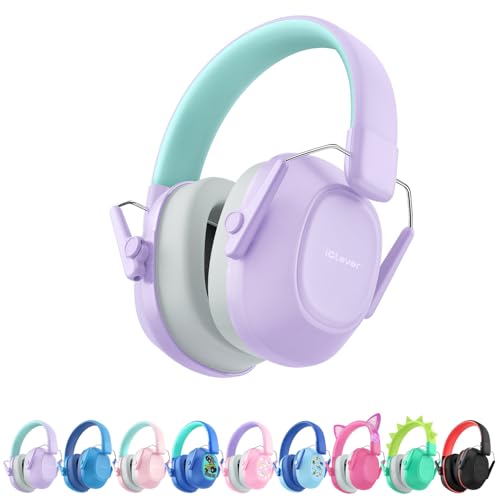
【Double-Certified Safety】Certified to ANSI S3.19-1974 & CE EN 352-1 for reliable hearing protection. We combined the 22mm porous sound-absorbing sponge and custom-made honeycomb acoustic sponge together to absorb and reduce noises while ensuring comfy wearing, achieving an SNR of 29dB and offering reductions up to 46dB under certain scenarios. Please note that earmuffs cannot 100% eliminate noise.

NOISE CANCELLING HEADPHONES: Effortlessly combines noise cancellation technology with passive features so you can shut off the outside world, quiet distractions, and take music beyond the beat
Impact on Hearing Health
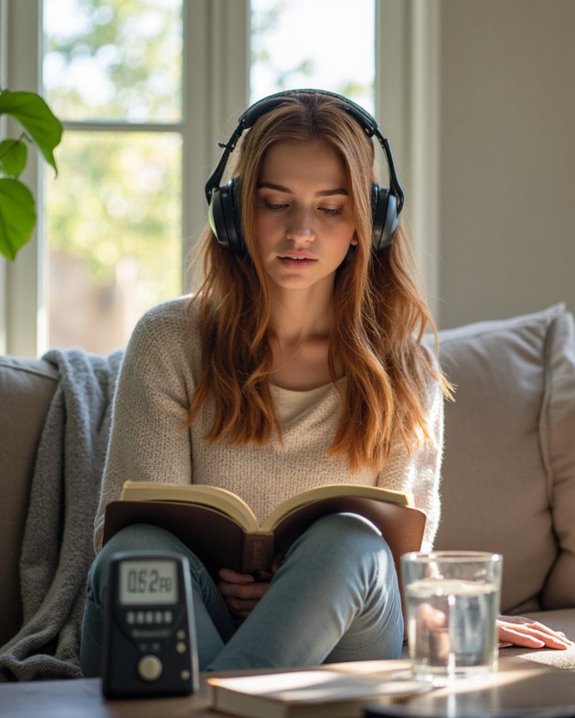
The relationship between noise cancelling headphones and hearing health presents a complex but largely positive picture. Research indicates that ANC technology actually helps reduce the risk of hearing impairment by lowering preferred listening levels (PLL) in noisy environments.
When background noise is effectively canceled, users can enjoy content at safer volume levels without competing with ambient sound. Canal earphones with noise cancellation have been shown to reduce sound exposure to safer pressure levels compared to non-NC alternatives.
Contrary to some misconceptions, ANC technology itself does not damage hearing. Rather, it’s the high-volume listening habits that pose risks. WHO guidelines indicate potential harm above 75 dBA, with significant risk above 85 dBA during prolonged exposure.
For maximum protection, users should maintain moderate volume levels and take regular listening breaks regardless of NC capabilities. Many kids headphones feature volume limits between 74-94dB to protect young listeners from potential hearing damage.
Recommended Products

[Advanced Noise Cancelling & Hearing Protection]Designed for toddlers and kids aged 3+, Midola headphones feature one‑button ANC that reduces up to 35dB of background noise (ANC+PNC), creating a quieter space for learning and play. Double‑click the play button to toggle between 85dB hearing‑safe mode and 94dB (parental guidance). (Note: ANC is not available in wired mode; wired connection defaults to 85dB)
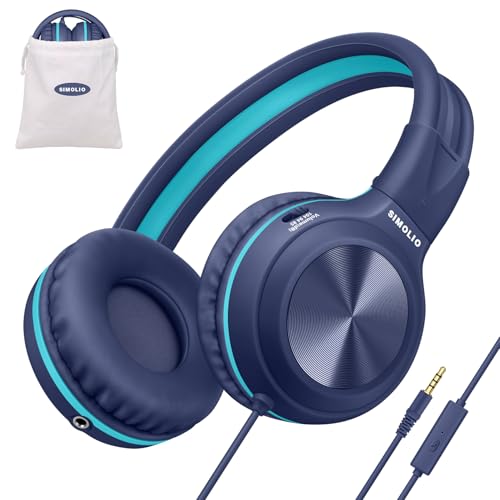
AUDIO SHARING MADE EASY – NO SPLITTER NEEDED: Meet the SIMOLIO Manyshare Series - your seamless audio sharing solutions with both wired and wireless options! Tailored for hassle-free group listening, our Manyshare wired headphones come with a built-in share port, letting multiple listeners connect and listen from one single device without needing an extra splitter. Ideal for sibling sharing, classroom sessions, story time, family travel and playdates. Looking for USB-C Headphones? Please check out our SIMOLIO USB-C wired headphones. Perfect for iPhone 15/16, Samsung Galaxy S24/25, Google Pixel and other modern devices without a 3.5mm port

JBL Safe Sound <85dB
Potential Effects on Auditory Processing
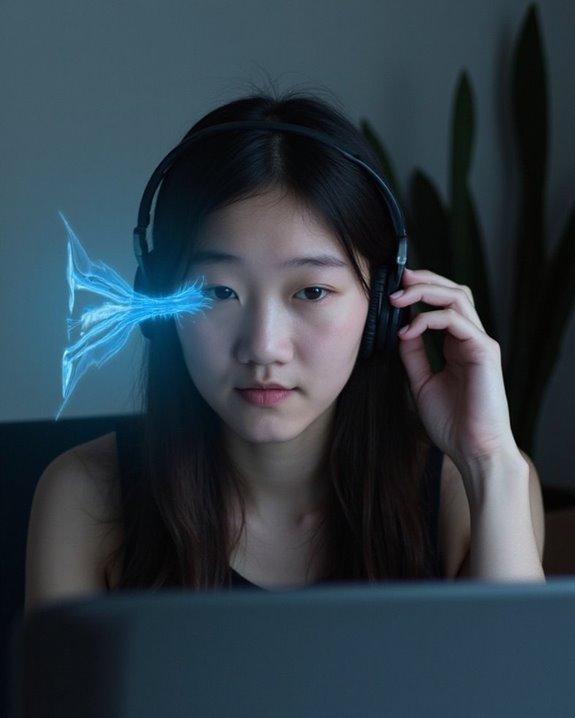
While noise cancelling headphones offer benefits for hearing protection, recent concerns have emerged regarding their potential impact on how our brains process sound. Preliminary reports suggest a possible connection between extensive use of these devices and auditory processing disorders (APD), particularly among younger users.
The phenomenon appears linked to Auditory Adaptation, where prolonged isolation from ambient sounds may interfere with the brain’s natural filtering mechanisms. This artificial sound environment potentially triggers Cognitive Shifts in how the auditory system processes complex acoustic information.
Audiologists have observed patients with normal hearing sensitivity who struggle to understand speech in noisy environments—a classic APD symptom. While evidence remains largely anecdotal, the creation of an artificially quiet environment might deprive the auditory system of stimuli necessary for maintaining efficient sound processing capabilities. Some models, like the TAGRY headphones, reduce up to 95% of ambient noise using advanced noise cancelling technology, which could contribute to these effects.
Recommended Products

All-Day Comfort & Premium Design: Crafted with high-quality materials, these over-ear wireless headphones combine luxury with long-wearing comfort. The adjustable headband ensures a secure fit for all head sizes, while ultra-soft memory foam ear cups minimize pressure. Lightweight and ergonomic, they're ideal for work, travel, or leisure—keeping you comfortable even during extended use

Constructed by solid ABS shell and thickened sound-absorbing foam, our earmuffs achieve SNR 27 dB noise-isolation, ANSI S3.19 (US) and CE EN352-1(EU) both certified, which can reduce sensory overload, perfect for kids with autism or sensory issues

【6 Pack For Sensitive Ears or Daily Demands】The 6 packs of safety earmuffs for kids with a bright pink blue and green design, can increase visibility. These adjustable noise-canceling ear muffs are designed for children. Great for improving kids' concentration during playing, reading, studying, and relaxing during rest. Ideal for creating a quiet environment and blocking out noise caused by air shows, travel, and yard work and provides the most reliable safety.
Benefits for Stress Reduction and Concentration
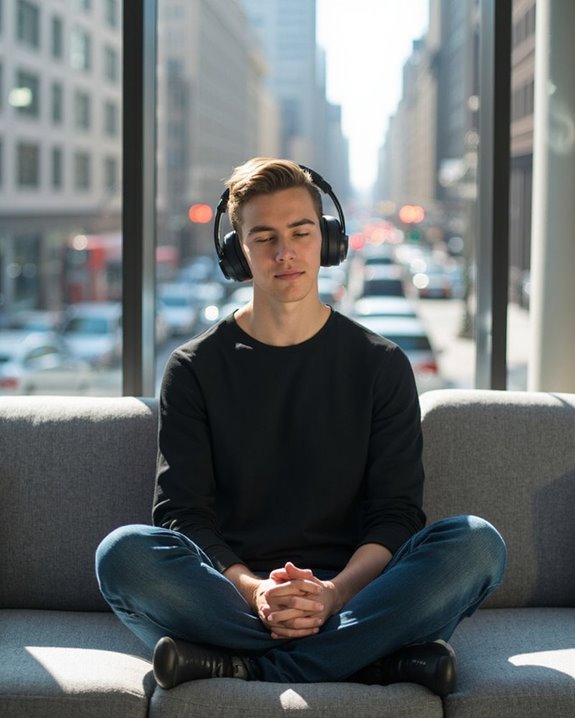
Modern research into noise cancelling technology reveals significant cognitive and physiological benefits beyond mere sound reduction. Studies show that active noise cancellation (ANC) headphones measurably decrease cortisol levels and reduce sympathetic nervous system activation, providing effective Stress Management in noisy environments.
EEG patterns demonstrate that noise-cancelling technology reduces cognitive load, allowing users to process information more efficiently. This translates to enhanced concentration and Focus Techniques in disruptive settings, particularly beneficial for students and those with auditory sensitivities.
The physiological benefits extend to hearing protection, as ANC technology eliminates the need to increase volume in loud environments. Users report decreased fatigue, improved mental comfort, and prolonged attention spans when using noise-cancelling headphones compared to standard models, confirming real-world applicability beyond laboratory settings.
Recommended Products

Powerful Noise Cancelling Technology: KVIDIO Active noise cancelling headphones block out up to 95% of ambient noise. It could be a lifesaver from TV, podcasts, and traffic noise while studying or working from home, so you concentrate on what’s important to you
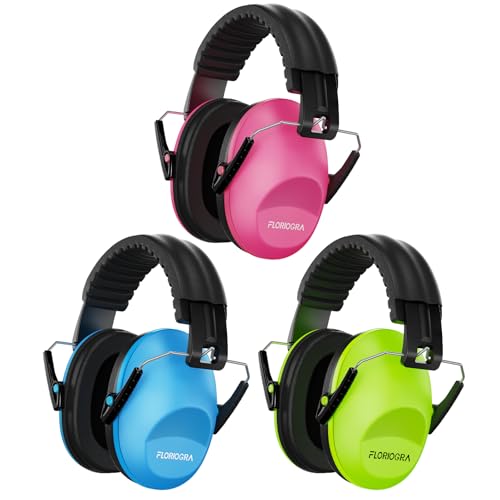
【3 Pack For Sensitive Ears or Daily Demands】The 3 packs of safety earmuffs for kids with a bright pink blue and green design, can increase visibility. These adjustable noise-canceling ear muffs are designed for children. Great for improving kids' concentration during playing, reading, studying, and relaxing during rest. Ideal for creating a quiet environment and blocking out noise caused by air shows, travel, and yard work and provides the most reliable safety.
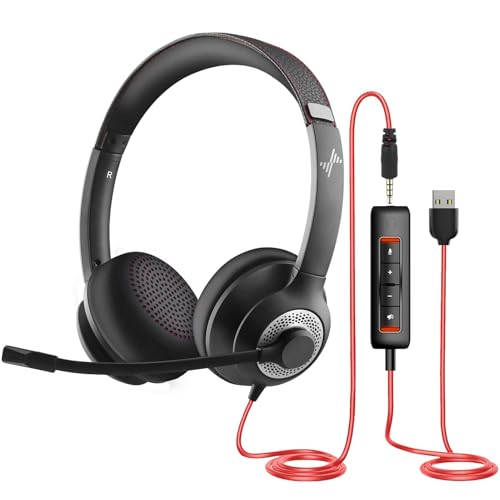
✅【Outstanding Noise cancelling Microphone】 The headphones with unidirectional boom 270°microphone that only picks up your voice and block out unwanted background noises. Also, you can wear it on the left or right ear as you like.
Safe Usage Guidelines and Best Practices
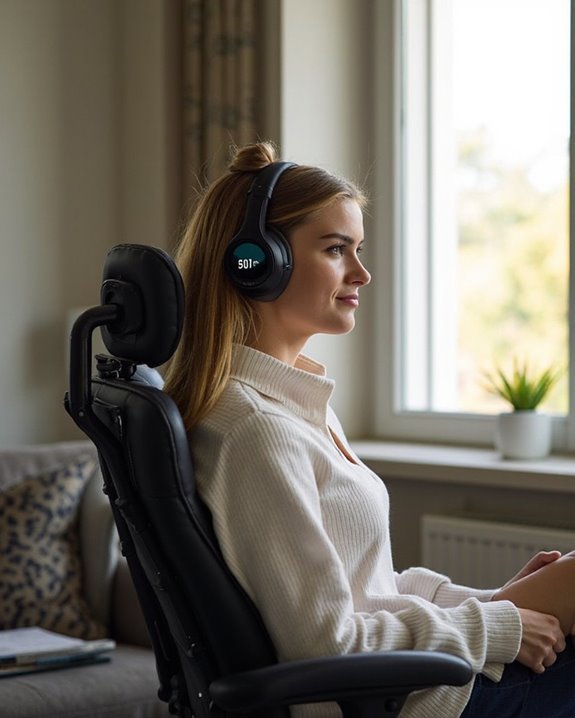
Effective implementation of noise-cancelling technology requires understanding key safety parameters to protect hearing health and maintain situational awareness. Users should maintain volume levels below 80 decibels and take periodic breaks to prevent ear fatigue during extended sessions.
Proper ear hygiene is essential for preventing irritation and infection. Regularly clean earpieces with appropriate solutions and replace worn cushions. For environments with unpredictable hazards, engage transparency modes to remain aware of surroundings, particularly near traffic or machinery.
Battery safety should not be overlooked; use only manufacturer-approved charging equipment and inspect devices regularly for damage. Select headphones with adjustable ANC intensity to balance noise reduction with comfort. In occupational settings, consumer-grade noise-cancelling headphones should never replace certified hearing protection devices that meet regulatory requirements.
Recommended Products

Block the World, Keep the Music: Four built-in mics work together to filter out background noise — whether you're in a packed office, on a crowded commute, or moving through a busy street — so every beat comes through clean and clear. (Not available in AUX-in mode.)

Hybrid Active Noise Cancelling: 2 internal and 2 external mics work in tandem to detect external noise and effectively reduce up to 90% of it, no matter in trains or offices.
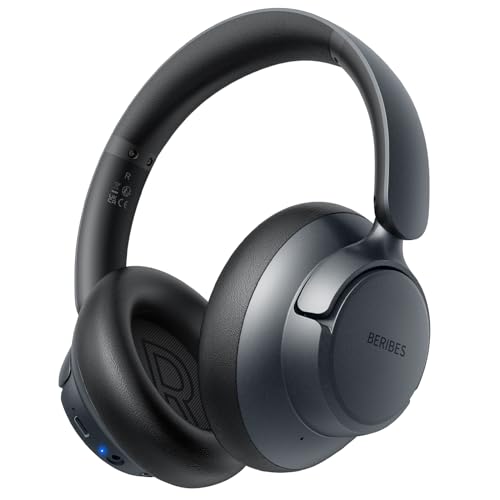
Active Noise Cancelling (ANC) ,Transparent Mode: Professional advanced noise cancellation silences up to 95% of machine noise. "Transparent Mode" This feature lets in ambient noise, so you can easily hear announcements on a bus or subway, or listen to what's happening around you without removing the active noise cancelling headphones. The sensitive buttons control makes it easy to switch between this two modes.
Frequently Asked Questions
Can Noise-Cancelling Headphones Cause Motion Sickness or Dizziness?
Noise-cancelling headphones can induce motion sickness or dizziness in some users due to balance disruption and sensory conflict between what the eyes perceive and altered auditory input, especially in individuals with vestibular sensitivity.
Are Noise-Cancelling Headphones Safe During Pregnancy?
A 2021 study showed pregnant women using noise-cancelling headphones reported reduced stress levels. Current research indicates no adverse pregnancy impacts on fetal safety, making these devices generally considered safe when used at moderate volumes during pregnancy.
Do ANC Headphones Interfere With Medical Devices Like Pacemakers?
ANC headphones can cause electromagnetic interference with pacemakers and ICDs when placed within six inches of these devices. Users should maintain proper distance and be aware of battery safety when using such electronic equipment.
Can Children Safely Use Noise-Cancelling Headphones?
Children can safely use noise-cancelling headphones when properly supervised and volume-limited. These devices support Child Development by reducing auditory stress while providing Ear Protection, though situational awareness must remain a priority during activities requiring environmental awareness.
Do Noise-Cancelling Headphones Pose Risks During Outdoor Activities?
Noise-cancelling headphones reduce ambient awareness during outdoor activities, creating potential safety risks. Users may miss critical environmental cues like traffic, emergency sirens, or warning signals when exercising or traversing outdoor spaces with full ANC enabled.