As an Amazon Associate, we earn from qualifying purchases. Some links on this site are affiliate links at no extra cost to you. Our recommendations are based on thorough research and editorial judgment.
Is It Bad to Sleep With Headphones On?

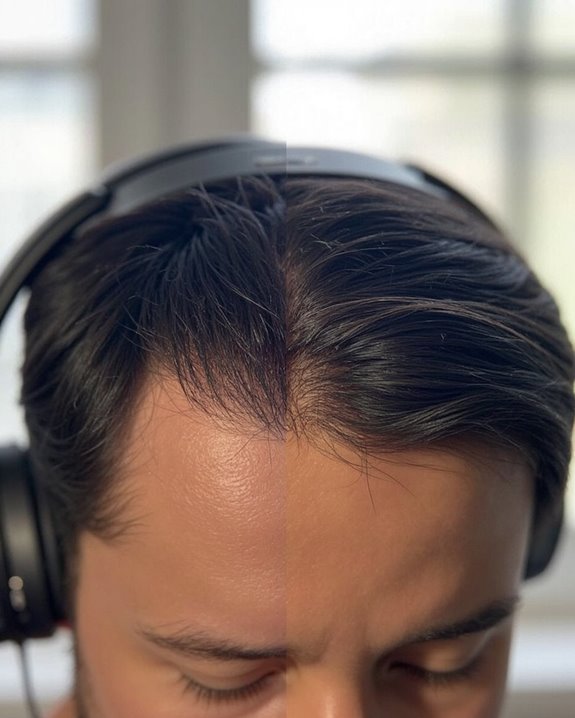
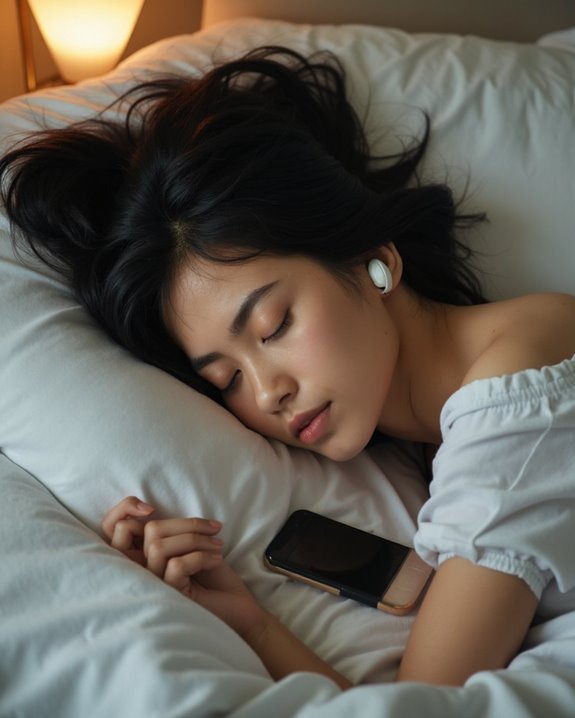
Sleeping with headphones carries several notable risks. Prolonged overnight use can lead to hearing damage when volume exceeds 40 decibels, while in-ear models may cause infections due to moisture buildup. Wired headphones present strangulation hazards, and all types potentially block critical emergency sounds like smoke alarms. However, specially designed sleep headphones with ultra-thin profiles and lower volumes can mitigate these risks. Understanding proper usage techniques can transform this habit from dangerous to beneficial.
Key Takeaways
- Headphones at volumes over 85 decibels can cause permanent hearing damage, so keep overnight volume below 40 decibels.
- In-ear headphones trap moisture, promoting bacterial growth and increasing risk of ear infections like otitis externa.
- Headphones block important emergency sounds like fire alarms, potentially endangering your safety during sleep.
- Corded headphones pose choking hazards as they can tangle around your neck or limbs during sleep movements.
- Specialized sleep headphones with ultra-thin speakers offer safer alternatives with improved comfort and reduced health risks.
The Science Behind Music and Sleep
You may be interested
How exactly does music influence our sleep patterns? Research indicates that music impacts our neurological systems through a process called Brain Entrainment, where neural oscillations synchronize with external auditory stimuli. This synchronization can guide the brain toward sleep-conducive states, particularly when the music contains slow, rhythmic patterns.
Music also affects sleep by potentially influencing Melatonin production, the hormone responsible for regulating sleep-wake cycles. When calming music reduces anxiety and stress levels, it creates physiological changes that support melatonin release.
Studies demonstrate that appropriate music decreases sympathetic nervous system activity, reducing heart rate and blood pressure—physiological changes necessary for sleep onset. However, the benefits vary based on volume and music type. While calming compositions can shorten sleep latency by up to 38%, stimulating music may have opposite effects.
Using specialized devices such as sleep headphones can enhance these benefits by providing comfortable, uninterrupted audio delivery throughout the night.
Health Risks of Overnight Headphone Use
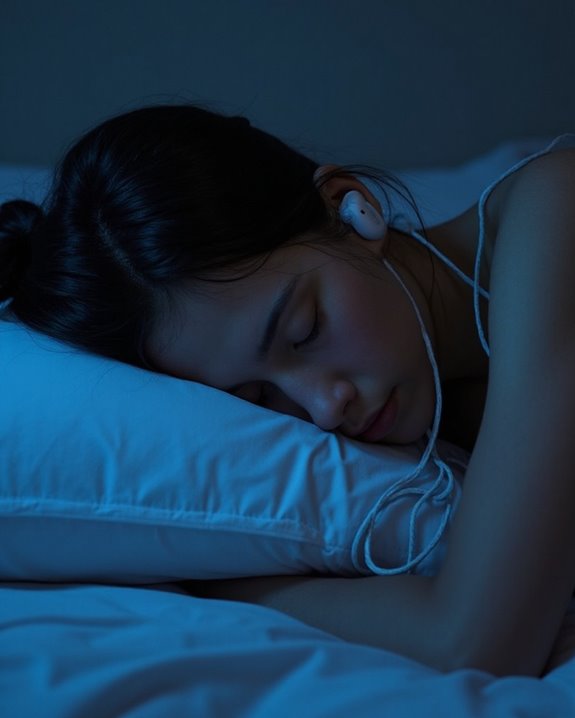
While music may enhance sleep quality for many individuals, sleeping with headphones presents several significant health concerns that warrant careful consideration. Extended exposure to volumes exceeding 85 decibels can cause permanent Hearing Loss, with damage occurring rapidly at higher volumes. Experts recommend keeping overnight volume below 40 decibels to minimize risk.
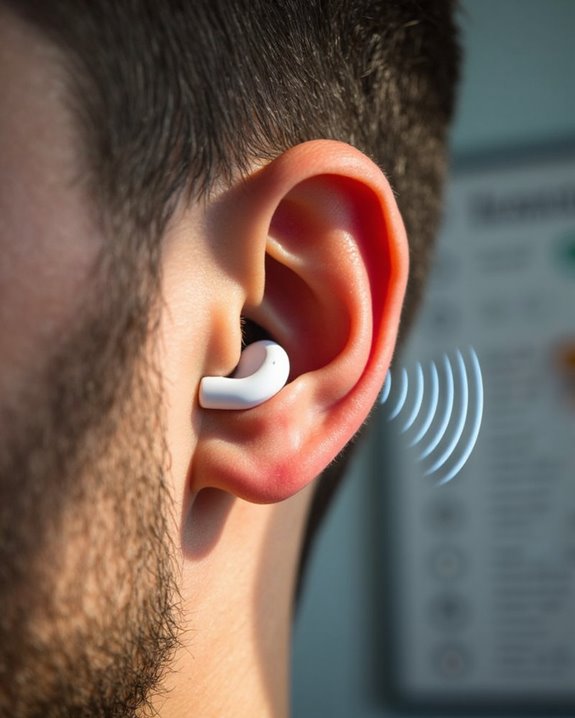
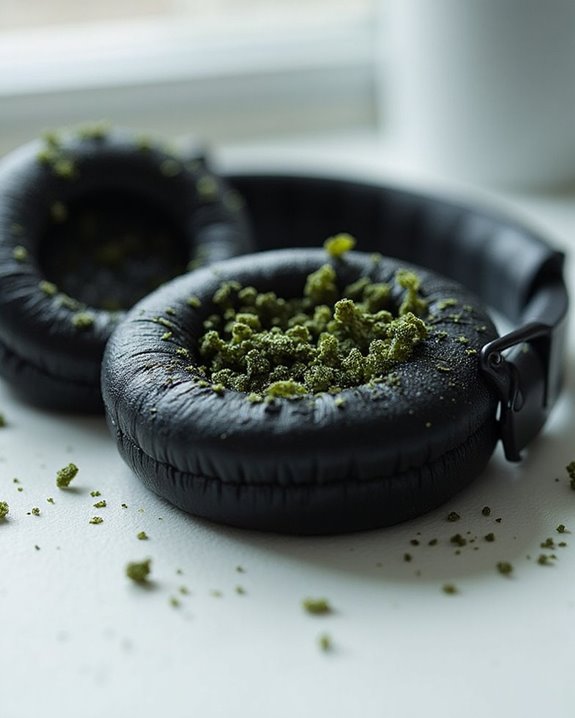
In-ear headphones trap moisture in the ear canal, creating ideal conditions for bacterial growth and Infection Risks such as otitis externa. This moisture retention, combined with prolonged obstruction of the ear canal, often leads to uncomfortable earwax accumulation.
Additionally, headphones—particularly noise-cancelling models—may prevent users from hearing vital emergency signals like fire alarms or intruder noises, potentially delaying response to urgent situations. Physical discomfort from pressure against pillows represents another common drawback of overnight headphone use.
For safer overnight use, consider specialized sleep headphones with ultra-thin speakers designed for comfort and hygiene.
Safety Concerns While Sleeping With Headphones
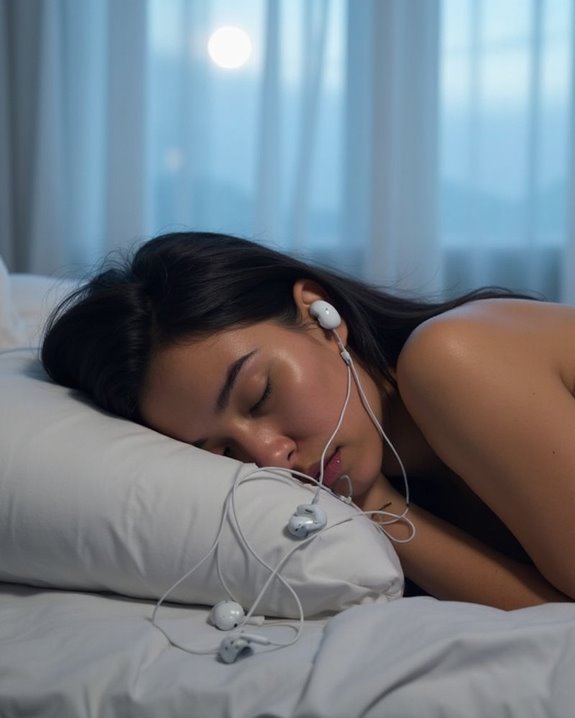
Beyond the health risks previously discussed, sleeping with headphones introduces numerous safety hazards that many users overlook. The most critical concern involves reduced ambient awareness, which can prevent hearing smoke alarms, intrusion alerts, or emergency notifications during sleep.
Physical hazards present another significant risk category. Cords can become tangled around the neck during sleep movement, creating potential choking hazards. Additionally, headphone users may not hear Pet Hazards such as distressed animals or pets in need of attention during the night.
Environmental factors also pose concerns. Users may miss important safety cues such as Lighting Risks during storms or power outages, leaving them vulnerable in emergency situations. The disconnect from one’s surroundings creates a particularly dangerous scenario for those living alone or responsible for others’ safety.
For safer listening, many users opt for sleep earbuds with noise reduction capabilities that isolate sound without blocking essential ambient alerts.
Recommended Products

Noise Reduction Earplugs: The Noise Reduction earplugs that reduce noisy voice level by up to 25dB-30dB,providing natural quiet sound quality. The Earplugs for sleeping won’t irritate to your ears at loud sound scene.The hearing protection earplugs will provide some noise attenuation,but they won’t make it completely impossible to hear sound keeping your ears safe from damaging sounds.

POWERFUL NOISE REDUCTION – Packing up to 24 dB (SNR) of noise reduction into a flexible silicone earplug, Quiet 2 muffles unwanted noise in comfort and style. Get in your quiet bubble anywhere for improved sleep, deep focus, stress-free travel and beyond. Quiet 2 earplugs qualify as certified hearing protection to keep your ears safe from damaging sounds.

Effective Noise Cancellation: The noise Cancelling ear plugs that reduce noisy voice level by up to 25dB-30dB, providing natural quiet sound quality to protect your ear hearing not influenced by noisy environment and help you to get in your bubble. The ergonomic round shape of sleeping ear plugs sits perfectly in your ears, making it a fashionable mountings that protect your hearing.
Choosing the Right Headphones for Sleep
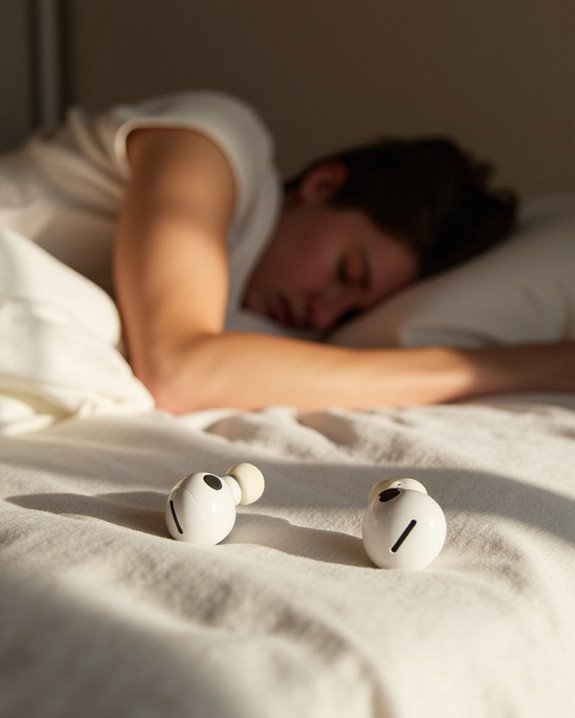
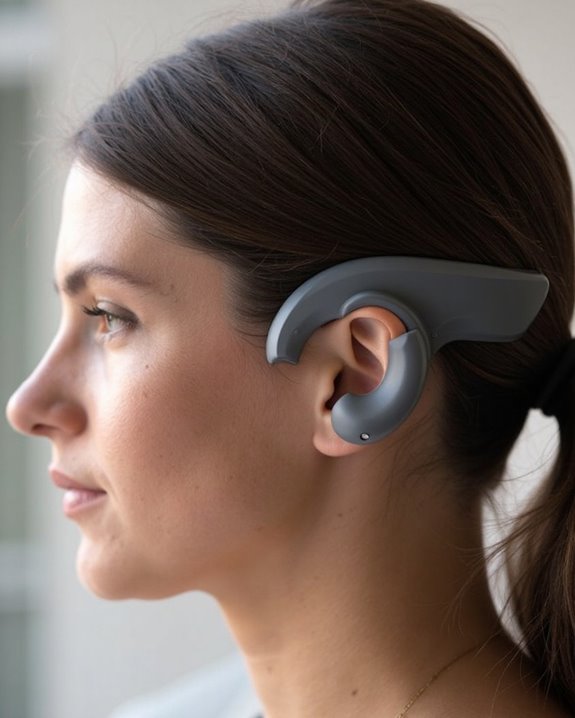
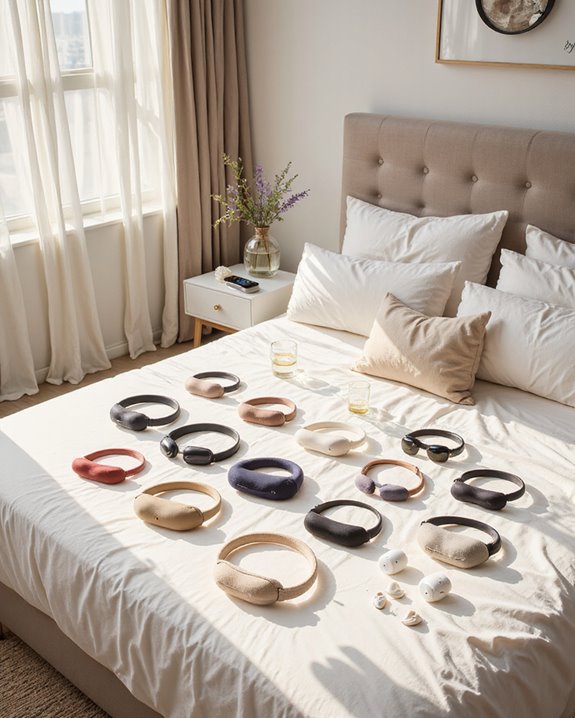
Selecting appropriate headphones for sleep requires careful consideration of specific design features that balance comfort with functionality. The market offers various Earbud Designs specifically engineered for nighttime use.
For side sleepers, Ozlo Sleepbuds and Kokoon Nightbuds feature ultra-thin profiles that prevent pressure points against pillows. Apple AirPods Pro 2 excel in noise cancellation but may be uncomfortable for side sleepers without soft pillows.
Battery Features vary greatly among sleep headphones. AirPods Pro 2 offer up to six hours of continuous use with extended life via their MagSafe case. Kokoon Nightbuds typically last through an entire night on a single charge.
Additional considerations include sleep monitoring capabilities found in Ozlo and Kokoon models, which track sleep patterns and automatically adjust audio output throughout the night.
Recommended Products

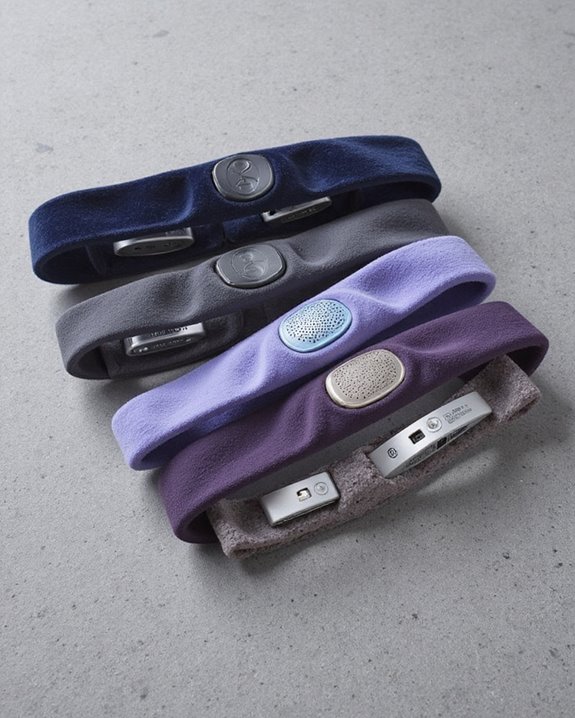
2 in 1 Sleep & Sports Headband - The Bluetooth Headband enables you to enjoy music without wearing extra headphones, while keeping your hair and sweat from tidy. It further features a built-in microphone to prevent missed calls. The headband is suitable for outdoor activities such as gym workouts, jogging, yoga, and other outdoor activities. Additionally, it can assist with relaxation, meditation, travel, and more.

2-IN-1 BLUETOOTH HEADBAND & SLEEP HEADPHONES: MUSICOZY headband combines the functionality of a sports headband and Bluetooth headphones, allowing you to enjoy music, podcasts, or audiobooks without needing separate devices; perfect for running, yoga, and sleep

【Sleep Headphones & Bluetooth Sleep Mask & Sleep Eye Mask 3 in 1】LC-dolida sleep mask with bluetooth headphones features a sleep mask designed with wireless speakers headset inside,the bluetooth sleep mask combines eye mask and headphones that pefect as sleep headphones.The sleep mask headphones allow you to enjoy hands free music during your sleeping time and protect you from being disturbed by your mess hair. Bluetooth eye mask is perfect for nap,insomnia, air travel, meditation and yoga
Psychological Benefits of Bedtime Audio
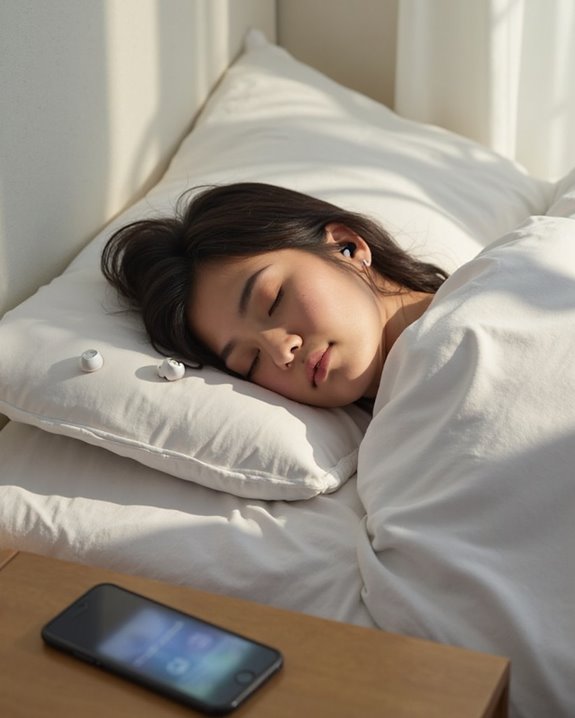
The auditory landscape of bedtime routines offers profound psychological benefits that extend far beyond simple entertainment. Research shows that bedtime audio greatly contributes to Stress Reduction by activating the parasympathetic nervous system, which decreases cortisol levels and promotes relaxation.
Bedtime audio supports Emotional Balance through multiple mechanisms. It enhances mindfulness, improves emotional regulation, and provides distraction from racing thoughts that often delay sleep onset. These effects collectively contribute to improved sleep quality, with faster sleep initiation and more consistent sleep cycles.
The psychological advantages extend into daytime functioning as well. Users experience enhanced mental clarity, improved focus, and stronger memory retention. For those with sleep disorders, regular use of calming audio can reduce symptoms of insomnia while supporting treatment for anxiety and depression.
Best Practices for Nighttime Headphone Use
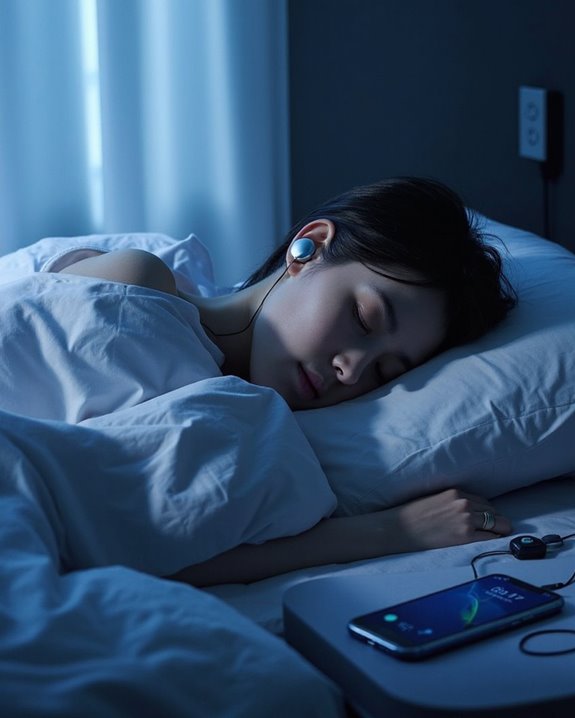
While enjoying the psychological benefits of bedtime audio, implementing proper nighttime headphone practices maximizes safety and effectiveness. Experts recommend keeping volume below 60% of maximum capacity to prevent hearing damage, particularly with extended use.
For ideal comfort, wireless designs eliminate tangling hazards and offer greater freedom of movement. Device compatibility guarantees seamless integration with sleep tracking apps, providing valuable insights into sleep patterns. Regular battery maintenance extends operational life and prevents unexpected shutdowns during sleep.
Sleep timers and automated fadeout features prevent all-night listening, reducing potential hearing strain. Hygiene remains vital—sanitize headphones regularly and avoid using them immediately after showering to prevent moisture accumulation.
When selecting headphones for sleep, prioritize comfort-focused designs with extended battery life (8+ hours) and noise-masking capabilities rather than noise-canceling features that might block important emergency sounds.
Recommended Products

【3 in 1 Bluetooth Headband & Sleeping Headphones & Eye Mask】ASIILOVI sleeping headphones Bluetooth headband built in speakers and no need to wear addition earphones, it’s perfect for running, workout, travel, Yoga and people who like listening to music to fall asleep and don’t want to bother their partner or roommates. What’ s more, a wide front for pretty good blockout, you will have a better sleep by wearing this comfortable headband.

SUPERIOR SOUND QUALITY WITH SLEEP HEADPHONES: Experience the latest V5.4 technology with MUSICOZY Bluetooth sleep headphones; designed for deep bass and crystal-clear treble, these sleeping headphones effortlessly pair with any smartphone or tablet within 33 feet, making them ideal for side sleeping and relaxation

Bluetooth Headband & Sleeping Headphones - Bluetooth Sleep Headphones & Sports Headband features a stylish design that allows you to enjoy your favorite music without the need for additional headphones. It also protects you from the mess of hair and sweat. Ideal for travel, sleep workouts, running, yoga, and audiobooks, the headband headphones block out ambient noise without using sleep earbuds that can be painful and fall out
Wireless vs. Wired: Which Is Safer for Sleep?
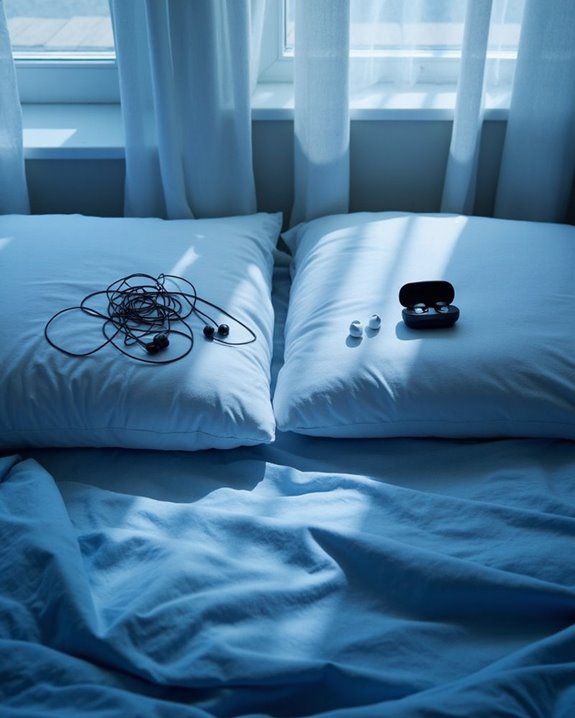
When choosing headphones for nighttime use, safety considerations differ considerably between wireless and wired options. Wireless pairing technology in Bluetooth headphones emits low-level electromagnetic fields (2.4 GHz), which health authorities like WHO and FDA consider safe for regular use. These devices offer greater comfort with their lightweight, compact design and freedom from cable entanglement.
Conversely, wired connectors eliminate radiation concerns entirely but introduce potential physical hazards. The cords may become wrapped around the neck or limbs during sleep movements, creating discomfort or safety risks. However, they typically deliver superior audio quality without battery concerns.
Despite theoretical differences in EMF exposure, neither option poses significant health risks according to current research. The ideal choice ultimately depends on personal comfort preferences and sleeping habits rather than safety concerns alone.
Recommended Products

【Sleeping Headphones & Music Headband& Sleep Mask 】New Bluetooth Headband with built-in lightweight speakers, no need to wear extra earphones for insomnia, relaxation, meditation, traveling and more. Perfect for shift workers, tinnitus sufferers, and those who share a bed with a snorer, wearing this musical headband will allow you to sleep better.

Comfortable & Ergonomic Design: The MUSICOZY Bluetooth Eye Mask combines the benefits of Bluetooth headphones with a sleep mask; made from soft velvet and stretch cotton, it offers total darkness and comfort, ideal for side sleepers and those needing relaxation, naps, or peaceful sleep

【3 in 1 Design】Technology changes life,for relaxing our mind and body during the chaotic daily work and life,LC-dolida came out the idea of manufacturing a new kind of 3 in one Wireless Headphones: Sleep Headphones & Bluetooth Sleep Mask & Bluetooth . With Latest Bluetooth Technology,built in bluetooth and speakers,the sleep earphones allows you to listen music freely,answer the call handsfreely and protect you from being disturbed by your mess hair and sweat
Alternative Audio Solutions for Better Sleep
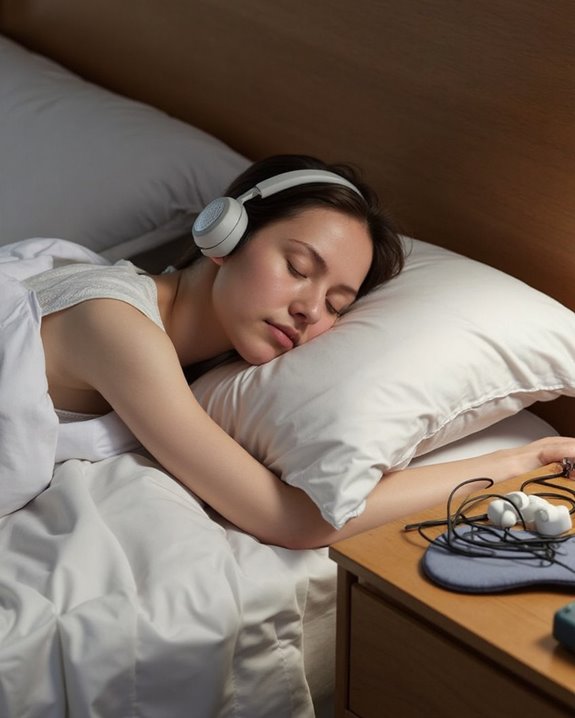
Beyond traditional headphones, several innovative audio technologies now offer specialized sleep enhancement capabilities without the physical constraints of conventional listening devices. These solutions combine Ambient Therapy techniques with cutting-edge technology to create ideal sleep environments.
Neuro-adaptive audio systems, featuring EEG sensors that monitor brain activity in real-time, deliver Therapeutic Tones tailored to individual sleep patterns. These non-invasive alternatives can increase deep sleep duration while reducing stress levels.
Sound healing applications utilizing binaural beats and nature sounds provide accessible options through user-friendly mobile interfaces. Similarly, music therapy helps regulate the autonomic nervous system, resulting in slower breathing and reduced blood pressure during rest periods.
For those seeking non-pharmaceutical interventions, these technologies offer customizable audio experiences that integrate seamlessly into existing bedtime routines while potentially improving overall sleep quality and duration.
Recommended Products
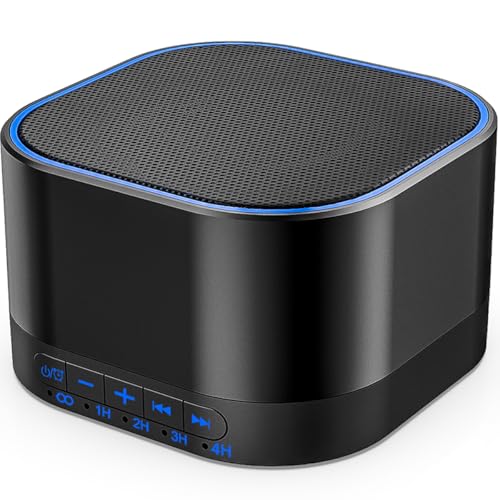
❤20 Non-Looping Sleep Sounds: White noise ,Brown noise, pink noise, blue noise, fan,brook, rain, ocean,bird and Bonfire,suitable for for Baby and Kids and Adults.

【Sleep, Finally】- 31 real nature sounds like white noise, fan sounds, rain, thunder and ocean—recorded from real environments to bring true-to-life soundscapes for relaxation and sleep
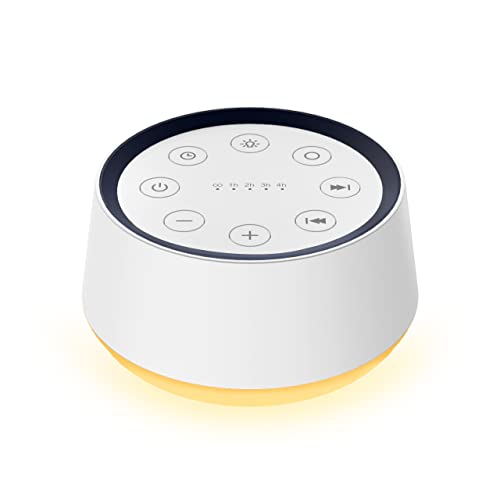
❤[30 Natural and Soothing Sounds] Our white noise machine provides 30 soothing sounds, including 3 Brown noise, 2 White noise(White noise, Pink noise), 2 fan noises( Loud and Soft Fan), 8 lullabies and 15 natural sounds( Rain, Sea waves, Brook, Bird, Train, etc.). This sound machine suitable for relieve stress, relax your mind and create a relaxing sleep environment.
How to Minimize Ear Damage From Overnight Use
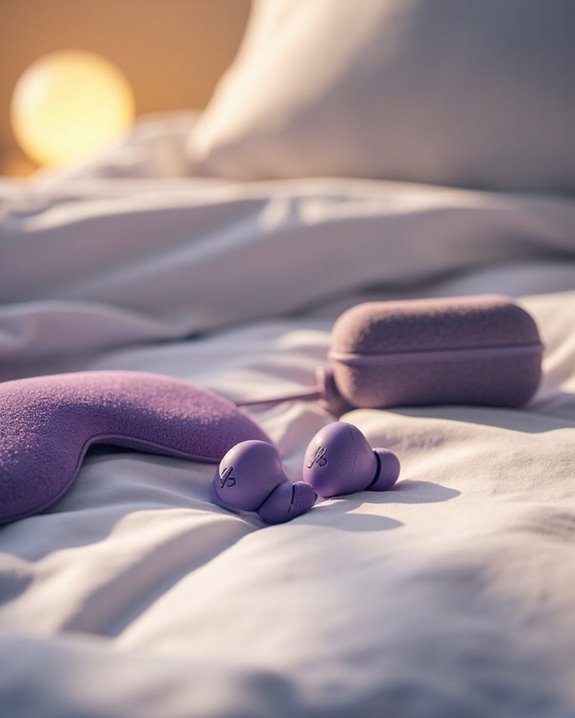
Protecting the delicate structures of the inner ear becomes essential for individuals who regularly sleep with headphones. To reduce potential harm, users should maintain volume levels below 60% of maximum capacity and implement scheduled listening breaks throughout the night when possible.
Hygiene Maintenance plays a critical role in preventing infection and irritation. Regular cleaning of earbuds with alcohol wipes removes accumulated bacteria and ear wax that can lead to ear canal inflammation. For ideal safety, select headphones with built-in volume-limiting features or noise-cancellation technology that eliminates the need for higher volumes.
Allergy Prevention measures include choosing hypoallergenic materials and monitoring for signs of sensitivity. Users with known sensitivities should consider headphones specifically designed for sensitive skin to minimize overnight irritation.
Frequently Asked Questions
Can Sleeping With Headphones Affect My Dreams?
Research suggests headphones can influence dream content through subconscious effects, particularly during early sleep stages. External audio may be incorporated into dreams, potentially altering dream quality without fully waking the sleeper.
Do Children Face Different Risks When Sleeping With Headphones?
Like small sapling in noisy woods, children face heightened vulnerability to headphones during sleep. Beyond adult concerns, they encounter unique Hearing Risks from developing auditory systems and potential Growth Impacts on ear cartilage development.
How Do Headphones Impact Relationships With Sleeping Partners?
Headphones during sleep can create partner annoyance through reduced communication and awareness. Relationship strain may develop from diminished intimacy and shared experiences, though they can benefit couples by minimizing snoring disturbances and respecting different audio preferences.
Can Certain Audio Frequencies Improve Sleep Quality More Than Others?
Research suggests certain audio frequencies enhance sleep quality. Delta frequencies (0.5-4 Hz) in binaural beats, particularly at 3 Hz, and pink noise at 60 dB demonstrate promising results in sleep improvement through frequency therapy applications.
Do Sleep Positions Matter When Wearing Headphones Overnight?
Sleep positions greatly impact headphone comfort during overnight use. Back sleeping minimizes pressure on earbuds while side sleeping requires specialized designs. Proper neck support helps prevent discomfort regardless of position choice or headphone type.