As an Amazon Associate, we earn from qualifying purchases. Some links on this site are affiliate links at no extra cost to you. Our recommendations are based on thorough research and editorial judgment.

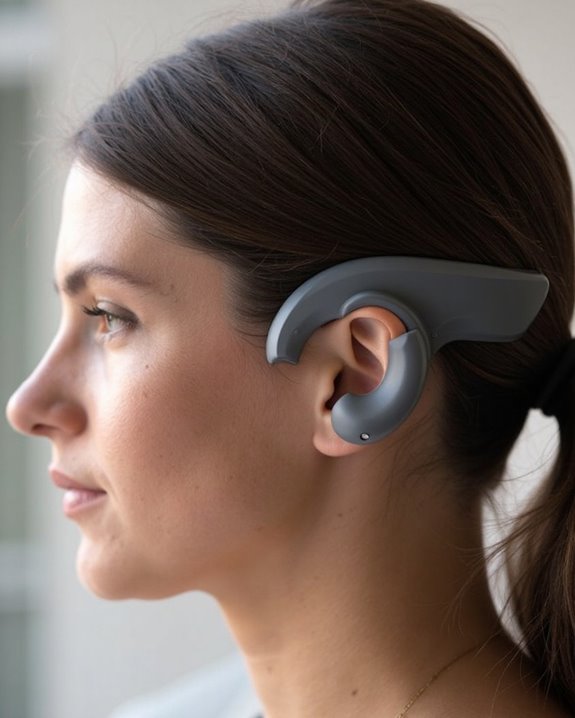
How to Wear Bone Conduction Headphones for Best Comfort

Bone conduction headphones require precise positioning on the cheekbones, just in front of the ears, to optimize comfort and sound quality. Users should make sure the transducers maintain consistent contact with the temporal bone while avoiding excessive pressure. Position the wraparound band at the base of the skull with balanced tension, and start with lower volume levels to prevent vibration discomfort. Taking regular breaks and gradually increasing wearing time helps users adapt to the unique sensation these headphones provide. Proper adjustment techniques can transform the listening experience completely.
Key Takeaways
- Position transducers directly on cheekbones in front of ears for optimal vibration transmission and comfort.
- Ensure proper headband tension—tight enough for stability but not causing pressure headaches.
- Start with shorter wearing sessions and gradually increase duration as you adapt to the sensation.
- Keep volume between 50-60% of maximum to prevent uncomfortable vibrations at contact points.
- Select headphones with flexible frames and silicon/rubber contact points for stability during movement.
Understanding the Anatomy of Bone Conduction Headphones
You may be interested
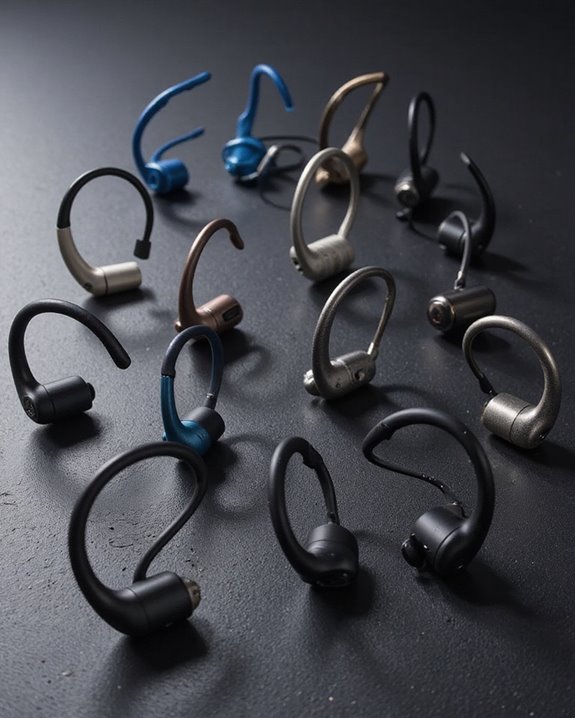
10 Best Bone Conduction Headphones
May 4, 2024
The innovative technology behind bone conduction headphones represents a remarkable departure from traditional audio devices. Unlike conventional headphones that send sound through the ear canal, bone conduction technology transmits audio vibrations directly through the skull’s bone structure to reach the inner ear.
At the core of these devices is a transducer that converts electrical signals into mechanical vibrations. These vibrations travel through the temporal bones to the cochlea function, bypassing the eardrum entirely. The cochlea, filled with fluid, responds to these vibrations by generating electrical impulses that the brain interprets as sound.
Most models feature a wraparound design with vibration-generating pads positioned against the cheekbones or temples, ensuring ideal contact with skull bones for clear sound transmission. Premium models often use a lightweight titanium frame to provide a secure and comfortable fit during extended wear.
Correct Positioning on Cheekbones and Facial Structure
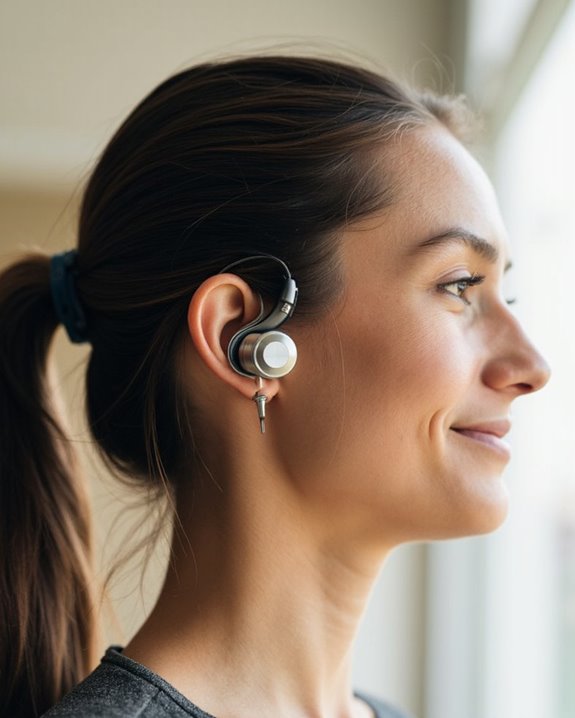
Properly positioning bone conduction headphones on your facial structure represents the foundation of an ideal listening experience. The transducers must be placed directly on the cheekbones, just in front of the ears, to optimize vibration transmission to the inner ear. Proper cheekbone contact guarantees clear sound quality while preventing audio leakage.
Users should align the headphones with their unique facial contours for maximum comfort and sound clarity. The transducers should feel snug against the skin without causing pressure discomfort. Misalignment can greatly reduce sound quality and overall effectiveness.
For best results, select headphones with flexible frames that accommodate different head shapes. Silicon or rubber contact points enhance stability during movement while maintaining proper positioning. Users with varied facial structures should look for adjustable models that can be customized for their specific anatomy. Many premium models, such as the OpenDots ONE, feature flexible nickel-titanium frames that provide both comfort and secure fit during active use.
Recommended Products

[Open-Ear Bone Conduction with Rich Sound] Gavhaio bone conduction headphones utilize bone conduction technology to deliver rich, powerful sound through the bones, while the open-ear design helps you stay aware of your surroundings. These open ear headphones provide clear, balanced audio and a comfortable listening experience without blocking your ears, making them ideal for running, cycling, hiking, gym workouts, and outdoor activities.

[Next-Gen Bone Conduction Tech] Psier Bone conduction headphones utilize the latest Bone conduction tech and a fully enclosed cavity design, delivering rich, powerful sound through the bone. The open-ear design keeps you aware of your surroundings, making them perfect for running, cycling, hiking, and outdoor activities. With upgraded acoustic sealing that reduces sound leakage by up to 50%, you enjoy powerful audio and enhanced situational awareness.

Secure & Non-Slip Fit – Designed with high-quality silicone to keep your bone conduction headphones firmly in place during intense workouts preventing slips even when sweating.
Adjusting for the Perfect Fit and Stability
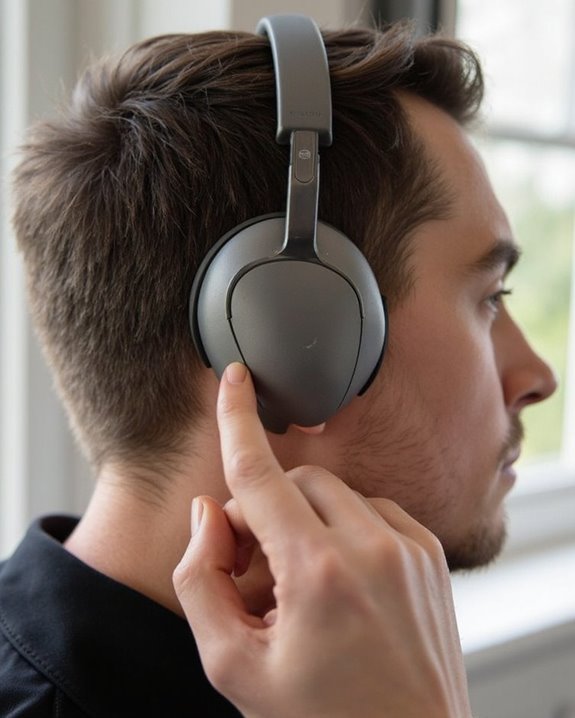
Achieving a perfect fit with bone conduction headphones requires methodical adjustment of several key components that work together as an integrated system. Proper fit testing should begin with accurate head measurements, determining whether standard or mini models provide ideal stability. For head sizes under 9.25 inches, smaller models reduce unwanted movement during activities.
The wraparound band should rest at the base of the skull, with tension balanced for security without discomfort. Ear hooks require precise positioning around the upper ear, creating enough grip to prevent slippage while avoiding excessive pressure. When wearing eyewear, users should layer devices strategically—headphones first, then glasses—to minimize conflicting pressure points.
Stability factors include material flexibility and weight distribution. Models featuring lightweight construction with flexible bands and silicone ear hooks optimize comfort during extended wear while maintaining necessary stability. Additionally, choosing headphones with IPX7 waterproofing ensures durability and protection against sweat during vigorous workouts.
Recommended Products

Bluetooth + MP3 Modes: The X7 MAX underwater swimming headphones feature Bluetooth 6.0 for low-latency, stable audio, delivering a smooth listening experience on land. Switch to MP3 mode for phone-free playback underwater or on land, with up to 2,000 songs stored internally. Simply double-click to toggle between Bluetooth and MP3 modes.

Unparalleled Audio and Premium sound - Dual drivers combine the clear highs of Bone Conduction Tech with the deep bass of Air Conduction Tech for 12 hours of powerful, 3D audio.Perfect for musical motivation during workouts and runs.
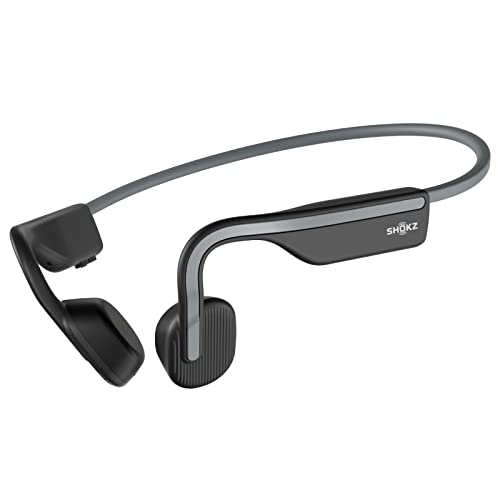
Open-Ear Headphones - Experience unmatched comfort with our lightweight, secure fit, featuring an earbud-free design for all-day listening without ear fatigue.(Rebranded version of AfterShokz OpenMove)
Managing Volume Levels for Optimal Comfort
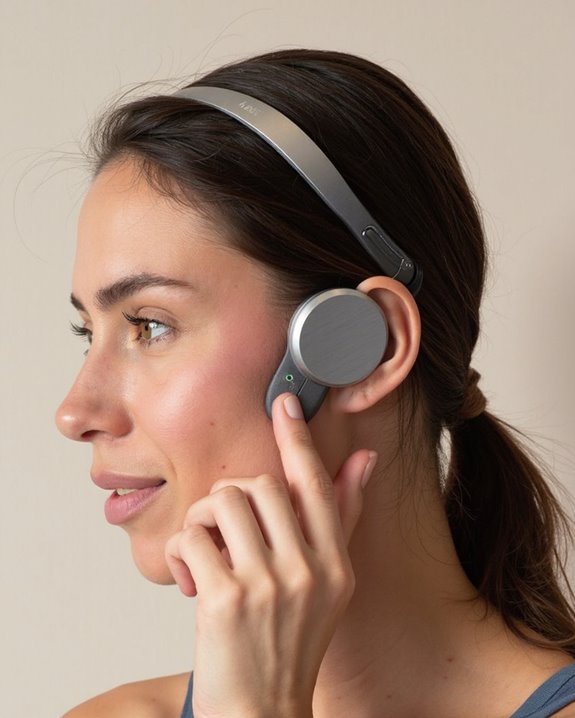
Beyond securing the perfect fit, mastering volume management represents a cornerstone of bone conduction headphone usage that directly impacts both comfort and safety. Experts recommend maintaining volume between 50-60% of maximum capacity to achieve ideal Volume Safety while preserving hearing health.
At higher volumes, users often experience uncomfortable vibrations where the transducers contact the skull. These sensations serve as natural indicators to reduce volume levels before potential damage occurs. Proper positioning enhances sound transfer efficiency, reducing the need for excessive volume.
For noisy environments, users can establish better Audio Balance by pairing bone conduction headphones with filtered earplugs rather than increasing volume. This approach maintains situational awareness while improving perceived sound quality without risking discomfort or hearing damage. Regular listening breaks further prevent auditory fatigue during extended use sessions.
Enhancing Sound Quality in Different Environments
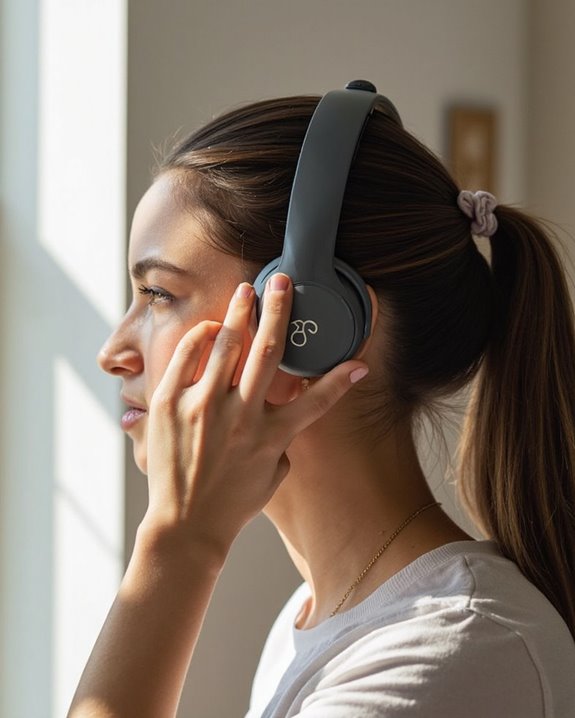
When traversing diverse environments with bone conduction headphones, users face unique challenges in optimizing sound quality while maintaining situational awareness. The open design allows ambient sounds to blend with music, making them ideal for activities requiring environmental awareness.
For improved audio clarity, ensuring a proper fit is essential. The transducers must maintain consistent contact with the cheekbones to deliver ideal vibrations. Many models feature adjustable bands that accommodate different head shapes and prevent movement during activities.
Recent technological advancements have greatly improved the listening experience. Modern bass transducers deliver richer audio with enhanced low frequencies, particularly beneficial for rhythmic activities. Some advanced models now combine bone and air conduction technologies, expanding the sound range while preserving the situational awareness advantages that make these headphones uniquely valuable in varied environments.
Caring for Your Bone Conduction Headphones
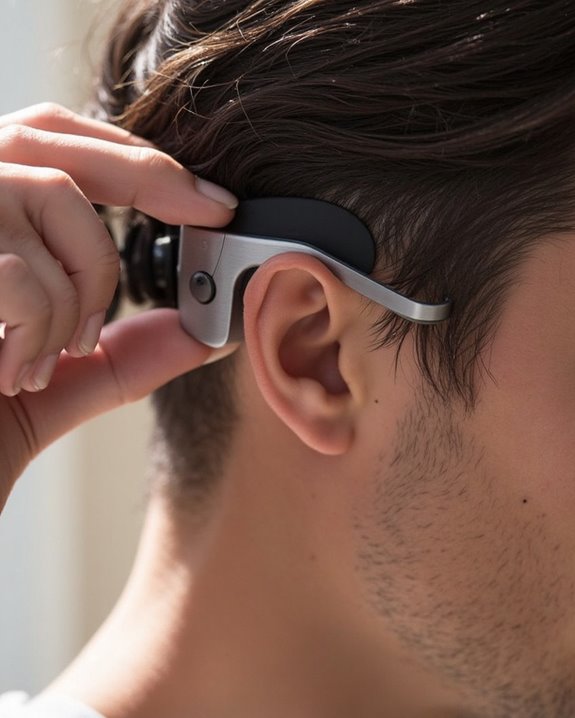
Proper maintenance of bone conduction headphones extends their lifespan and preserves audio quality while protecting your investment. Regular implementation of appropriate cleaning techniques prevents the accumulation of sweat and oils that can degrade performance over time.
Users should wipe surfaces with a damp cloth, paying special attention to contact points where the transducers meet the skin. For disinfection, mild alcohol-based wipes effectively sanitize without damaging sensitive components.
Battery maintenance greatly impacts longevity. Avoid complete battery depletion, use manufacturer-recommended chargers, and remove headphones once fully charged. Store devices in cool, dry environments when not in use.
After exposure to moisture during workouts, thoroughly dry headphones before charging or storing. This prevents internal corrosion and maintains the integrity of waterproof seals, ensuring consistent performance through years of regular use.
Recommended Products

What You'll Get: One pack of 25 Windex Electronic Pre-Moistened Cleaning Wipes

Alcohol-Free & Safe for Electronics – These specially formulated wipes are alcohol-free and safe to use on all your gaming gear, including Xbox and PlayStation controllers, gaming headsets, earbuds, and more. They effectively clean without the risk of damaging sensitive electronics or harming the lifespan of your devices.

Towelettes designed to clean hearing aids, earphones, headphones, and any other hard surface or object
Adapting Wear Techniques for Various Activities
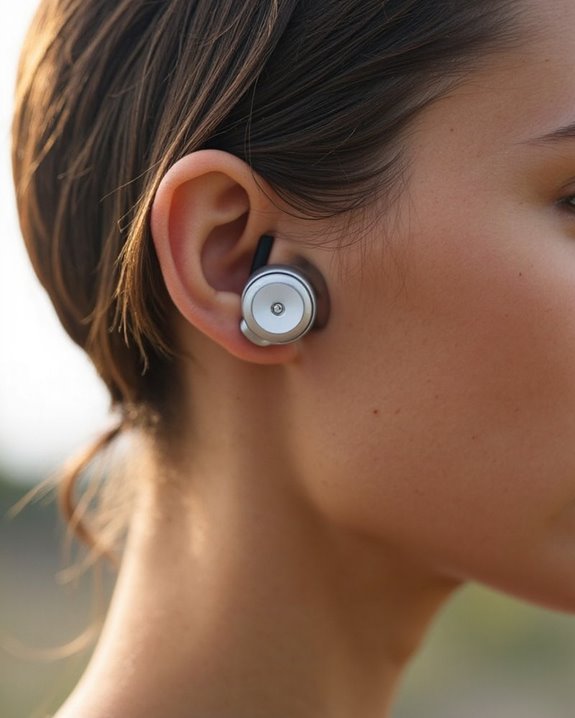
Adapting bone conduction headphones for various activities requires strategic adjustments to achieve best performance and comfort across different environments. Users can optimize their experience through activity-specific positioning techniques:
For cycling, positioning headphones over helmet straps provides stability while maintaining awareness of traffic sounds. When running, a slightly tighter headband prevents shifting during impact movements.
Travel Techniques include adjusting the headphones to accommodate neck pillows or seat headrests during long journeys. For Social Scenarios, users can quickly adjust volume levels to balance conversation and audio content without removing the device.
Swimming enthusiasts should verify their model’s waterproof rating before submersion and secure additional attachments if available. Gym-goers benefit from positioning transducers to avoid interference with exercise equipment while maintaining spatial awareness during workouts.
Recommended Products

Bluetooth + MP3 Modes: Underwater headphones with Bluetooth 6.0 ensure ultra-low transmission latency, significantly enhancing the music experience. Users can connect two or more devices. Allows for seamless switching between devices. Or enjoy a phone-free experience with 32GB internal MP3 storage for up to 4,000 songs. Easily switch between Bluetooth and MP3 mode with a double click. MP3 mode supports downloaded audio files in MP3, WMA, FLAC, APE and WAV formats.

Innovative Open-Ear Bone Conduction Technology for Healthy & Safe Wearing Adopting the bone conduction sound principle, there is no need to insert the earbuds into the ear canal to block your ears, avoiding damage to the inner ear and eardrum caused by long-time wearing, which is especially suitable for people with sensitive ear canals. You can clearly perceive ambient sounds such as car horns and human voices while enjoying music during exercise, which can effectively avoid risks when running or cycling at night, and there will be no swelling pain or stuffy discomfort in the ear canal even if you wear it for a long time in daily use.
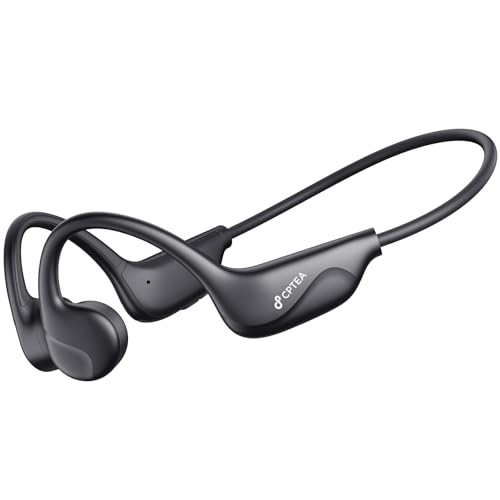
Comfort, Lightweight Fit - Our bone conduction headphones weigh just 27g and feature a soft, skin-friendly frame that stays secure without entering your ear canal. Enjoy hours of pressure-free listening while running, cycling, or working — perfect for users who value ear health and situational awareness.
Troubleshooting Common Comfort Issues
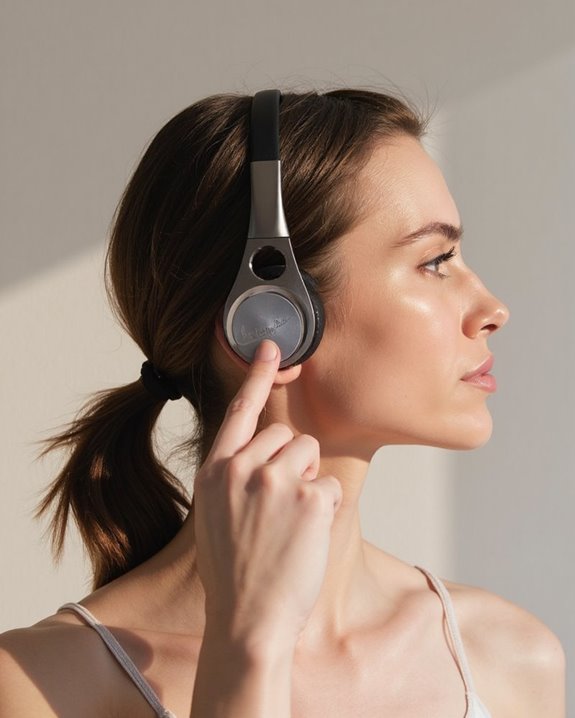
Many users encounter specific discomfort issues when first adapting to bone conduction headphones, despite their innovative design advantages. Common problems include pressure-related headaches, stability during movement, and sound quality limitations.
Vibration Sensitivity represents a significant variable in user experience, with higher volume levels often exacerbating discomfort. Adjusting volume settings and ensuring proper positioning can alleviate this issue for most users. Additionally, taking periodic breaks during extended use sessions helps prevent tension headaches.
Individual Variability plays a vital role in adaptation success. While some users acclimate quickly to bone conduction technology, others require a gradual adjustment period of several days or weeks. Users with pre-existing conditions such as TMJ disorders or migraines may need to exercise particular caution when first using these devices, starting with shorter wearing sessions and gradually increasing duration.
Recommended Products

🎵 BALANCED TUNES WITH BONE CONDUCTION | Powerful audio that doesn’t trap you in. These bone conduction headphones use advanced technology to deliver clear, balanced sound through vibration instead of in-ear pressure. Enjoy music comfortably with headphones that reduce ear fatigue and irritation.

10H PLAYTIME & 1H FAST CHARGE Keep moving with these high-performance running headphones. A single charge gives you 10 hours of continuous music and calls. Need power fast? A quick 1-hour charge brings your bone conduction headphones back to a full battery.

Open-Ear Headphones - Experience unmatched comfort with our lightweight, secure fit, featuring an earbud-free design for all-day listening without ear fatigue.(Rebranded version of AfterShokz OpenMove)
Frequently Asked Questions
Can Bone Conduction Headphones Cause Headaches With Prolonged Use?
Bone conduction headphones can cause headaches with prolonged use. Pressure, vibrations, and sensitivity all contribute to discomfort. Headache prevention requires monitoring usage duration and taking regular breaks during extended listening sessions.
Are Bone Conduction Headphones Safe for Children to Use?
Bone conduction headphones are generally safe for children when used responsibly. They meet Safety Standards for sound exposure and maintain situational awareness. Age Appropriateness should be considered when selecting models and monitoring volume levels.
How Do Bone Conduction Headphones Perform With Hearing Aids?
Bone conduction headphones offer excellent aid compatibility with hearing devices, particularly in-the-ear models. They reduce feedback issues and provide seamless audio integration by bypassing the ear canal without obstructing hearing aid microphones.
Can People With Specific Medical Conditions Use Bone Conduction Headphones?
Like whispers through bone, these headphones offer hope for many medical conditions. They’re generally safe with medical implants, though consultation with healthcare providers is recommended. Those with allergy concerns should monitor for skin irritation during use.
Do Bone Conduction Headphones Work Effectively During High-Altitude Activities?
Bone conduction headphones maintain excellent altitude performance during high-altitude activities. Their functionality remains unaffected by pressure changes, offering reliable hiking compatibility while allowing users to maintain vital situational awareness in mountainous environments.