As an Amazon Associate, we earn from qualifying purchases. Some links on this site are affiliate links at no extra cost to you. Our recommendations are based on thorough research and editorial judgment.


Are Bone Conduction Headphones Safe to Use?

Bone conduction headphones are generally safe when used responsibly. They transmit sound through skull vibrations, bypassing the eardrum while keeping ear canals open for environmental awareness. However, they aren’t immune to causing hearing damage at excessive volumes, as vibrations still reach the cochlea directly. Users should maintain volume below 60-64% of maximum capacity and take regular listening breaks. Following proper usage guidelines helps minimize risks while enjoying the unique benefits these devices offer.
Key Takeaways
- Bone conduction headphones are generally safe when used responsibly at moderate volumes below 60-64% of maximum capacity.
- Despite bypassing the eardrum, these headphones can still cause hearing damage if used at excessive volumes for extended periods.
- They reduce risks like ear infections and eardrum pressure compared to traditional in-ear headphones.
- Taking regular 10-minute breaks after every 60 minutes of use helps prevent potential hearing damage.
- Bone conduction technology directly stimulates the cochlea, so volume management remains essential for long-term auditory health.
What Are Bone Conduction Headphones?
You may be interested
10 Best Bone Conduction Headphones
May 4, 2024
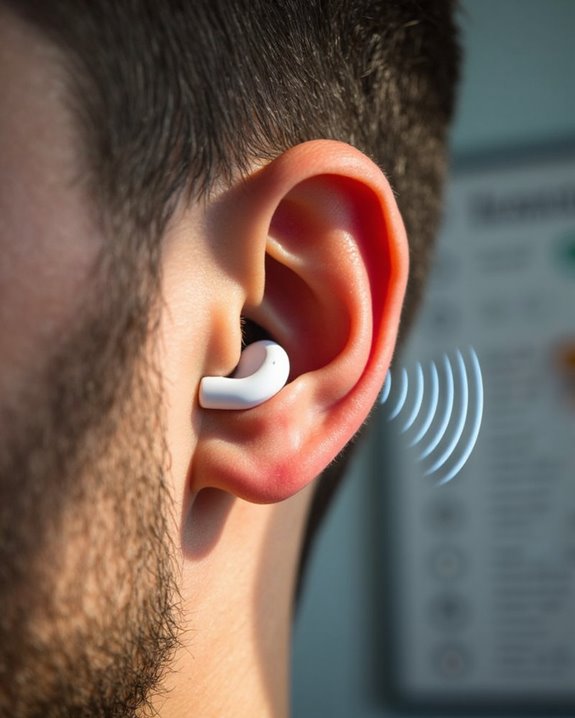
Bone conduction headphones represent a revolutionary audio technology that transmits sound through vibrations against the skull bones rather than through the ear canal. Often called “bonephones,” these devices rest on the user’s cheekbones or temples, delivering audio directly to the inner ear by bypassing the eardrum completely.
The definition basics of this technology involve specialized transducers that convert sound signals into mechanical vibrations, which the cochlea processes into recognizable audio. This open-ear design keeps the ear canal unobstructed, allowing for environmental awareness while listening.
In historical context, this method of sound transmission dates back centuries, most famously demonstrated by Beethoven, who used a rod connected to his piano to perceive music through bone vibrations despite his deafness.
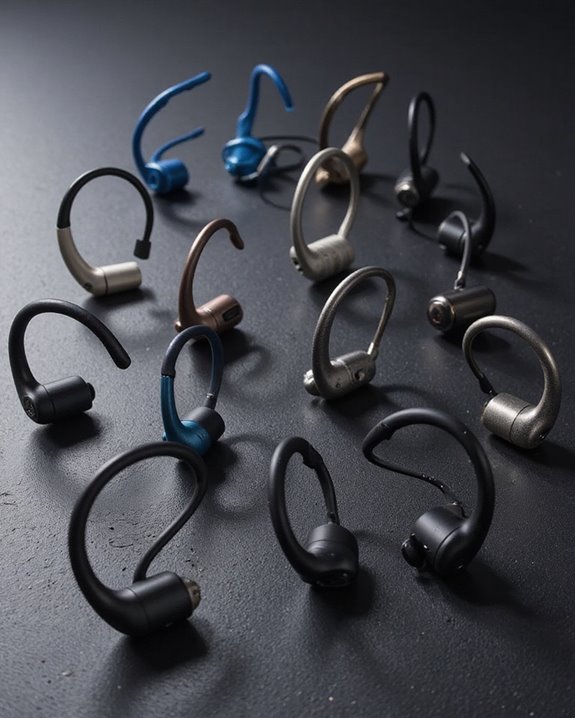
Modern bone conduction headphones often feature a lightweight titanium frame for comfortable extended wear during activities, combining safety with convenience.
How Bone Conduction Technology Works
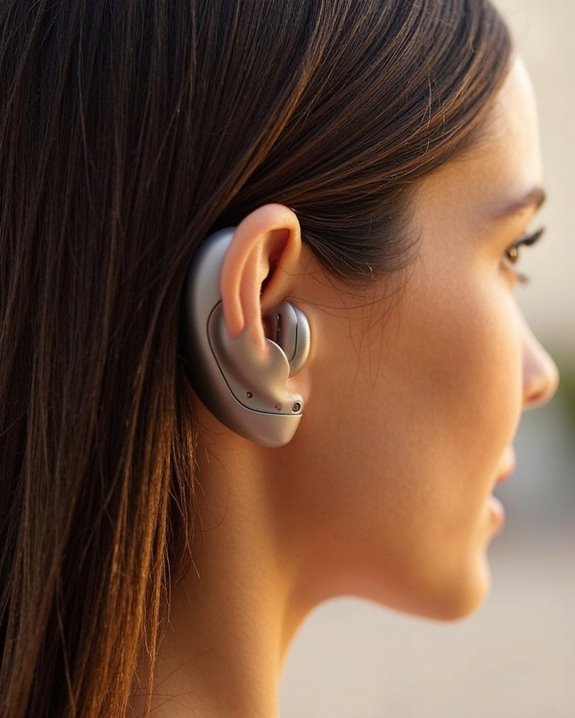
Exactly how does sound travel through solid bone instead of air? The process begins when a specialized transducer converts electrical audio signals into mechanical vibrations. These vibrations, governed by principles of vibration physics, travel through the temporal bone of the skull directly to the inner ear.
Unlike traditional headphones that send sound waves through air to the eardrum, bone conduction technology bypasses the outer and middle ear entirely. The vibrations stimulate the cochlea, which transforms these mechanical signals into electrical impulses the brain can interpret as sound.
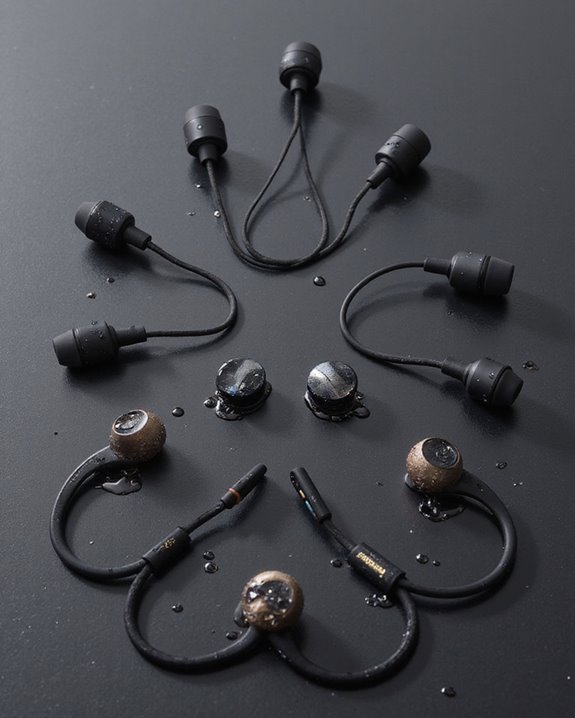
Transducer efficiency is critical in this process—higher efficiency means clearer sound transmission with less energy required. The skull effectively becomes a conductor, with vibrations traveling through solid bone matter at speeds different from those in air, creating a unique audio experience. Modern devices often integrate bone conduction technology specifically designed for underwater use, ensuring clear audio even when submerged.
Common Misconceptions About Safety

Despite their innovative design, bone conduction headphones are surrounded by several persistent safety misconceptions that deserve clarification. Among the most prevalent Safety Myths is the belief that these devices are completely immune to causing hearing damage, which is untrue when used at excessive volumes.
Another significant Public Misbelief concerns the relationship between bone conduction technology and hearing loss. While these headphones bypass the eardrum, they still transmit vibrations to the cochlea, meaning prolonged exposure to high volumes can potentially damage hearing mechanisms.
Many users incorrectly assume that because bone conduction headphones don’t block the ear canal, they eliminate all safety risks. In reality, while they do reduce certain hazards associated with traditional headphones—such as ear infections and eardrum pressure—they still require responsible usage to maintain best hearing health.
For instance, popular models like the SHOKZ OpenMove feature a balanced audio profile designed to provide good sound quality while helping users maintain situational awareness.
Potential Hearing Risks and Concerns

When considering the safety profile of bone conduction technology, the assumption that these devices eliminate hearing risks requires careful scrutiny. Despite bypassing the eardrum, these headphones still transmit vibrations directly to the cochlea, where damage can occur from excessive sound levels.
The cochlea remains vulnerable regardless of sound delivery method, with exposure duration being a critical factor in potential hearing damage. Users often underestimate volume levels due to the combined bone and air conduction pathways, particularly when devices are positioned near the ear canal.
Unlike noise-cancelling headphones, bone conduction models provide no barrier against environmental noise, potentially leading users to increase volume to unsafe levels. Individual susceptibility factors, including pre-existing hearing conditions and age, further complicate the risk profile, making proper volume management essential for long-term auditory health.
Bone Conduction vs. Traditional Headphones
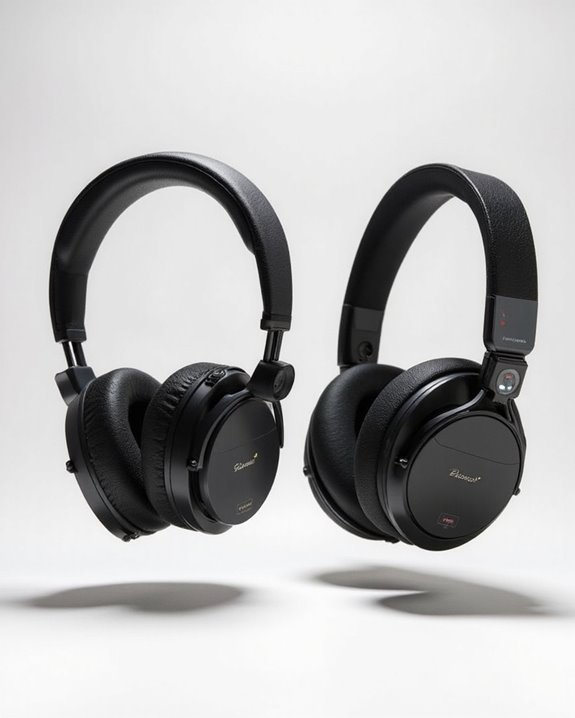
The fundamental distinction between bone conduction and traditional headphones lies in their sound transmission mechanisms. Traditional headphones deliver audio through air directly to the ear canal, while bone conduction technology transmits vibrations through the skull bones to the inner ear.
Design variations between these technologies are significant. Bone conduction models rest on the cheekbones, leaving ears completely unobstructed, whereas traditional headphones either cover or insert into the ear canal. This open-ear design allows users to maintain awareness of their surroundings during use—ideal for outdoor activities like running or cycling.
Price differences typically favor traditional headphones at entry-level price points. However, premium bone conduction options offer unique benefits that justify their higher cost for specific use cases, particularly for those who need to remain alert to environmental sounds.
Recommended Products

[Next-Gen Bone Conduction Tech] Psier Bone conduction headphones utilize the latest Bone conduction tech and a fully enclosed cavity design, delivering rich, powerful sound through the bone. The open-ear design keeps you aware of your surroundings, making them perfect for running, cycling, hiking, and outdoor activities. With upgraded acoustic sealing that reduces sound leakage by up to 50%, you enjoy powerful audio and enhanced situational awareness.

Excellent Sound Quality - Through Ogogrs' advanced bone conduction technology, it allows you to feel the excellent audio transmitted through the bones. The clear sound and strong volume give you the best listening experience. The bone conduction headphones with a built-in microphone are suitable for remote video conferences.

Open-Ear Comfort - OpenRun Pro features our best fit yet. Avoid the discomfort of in-ear headphones with our bud-free design. These headphones stay put during any workout. Includes Shokz headband
Safe Listening Practices and Volume Control
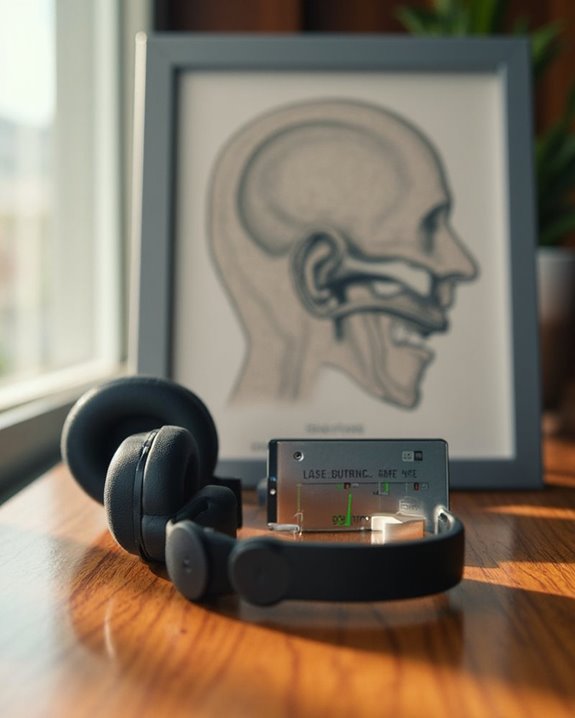
Proper volume management represents a critical aspect of hearing protection when using bone conduction headphones. Experts recommend maintaining volume levels between 60-64% of maximum capacity and following the 60-minute rule—listening for no more than an hour before taking at least a 10-minute break to prevent ear fatigue.
Environmental factors greatly impact listening safety, as noisy surroundings may tempt users to increase volume to potentially harmful levels. Users should assess Personal Limits and avoid scenarios requiring excessive volume adjustment. Additionally, utilizing device settings that cap maximum volume can provide an additional safety mechanism.
For effective hearing protection, users should:
- Monitor volume consistently, especially in changing environments
- Take regular listening breaks
- Consider noise-canceling accessories rather than increasing volume
- Maintain awareness of surroundings while listening
Recommended Products

🎵 BALANCED TUNES WITH BONE CONDUCTION | Powerful audio that doesn’t trap you in. These bone conduction headphones use advanced technology to deliver clear, balanced sound through vibration instead of in-ear pressure. Enjoy music comfortably with headphones that reduce ear fatigue and irritation.

Open-Ear Safety Design: Utilizing advanced Air Conduction Headphones technology, these kids open ear headphones deliver premium sound without blocking the ear canal. This non-intrusive design ensures children stay aware of their surroundings, providing a safer listening experience than traditional earbuds during outdoor activities. They also serve as excellent sensory-friendly headphones for sensitive ears and comfortable kids ear headphones for daily active play.

【Open-Ear Awareness】 Experience music with advanced Bone Conduction Technology while keeping your ears open to the world around you. These Open Ear Headphones help you stay aware of traffic, conversations, and surroundings during Running, Cycling, Hiking, Commuting, and Outdoor Workouts. Featuring enhanced Anti-Leak Audio technology, they help reduce sound leakage for more private listening. Ideal for users who want Headphones for Running, Headphones for Cycling, and everyday activities without losing environmental awareness.
Ideal Use Cases and Suitable Activities

Designed to revolutionize audio experiences without compromising safety, bone conduction headphones offer ideal solutions for activities requiring situational awareness. These devices excel in outdoor environments, making them particularly valuable for sports training where athletes need to remain alert to potential hazards while following coaching instructions or maintaining pace with music.
For industrial workers, these headphones provide critical communication capabilities while allowing users to wear necessary ear protection in high-noise environments. During leisure walks in urban settings, users can enjoy music or podcasts while remaining fully aware of approaching vehicles or other pedestrians. Additionally, bone conduction technology serves specialized applications in military operations, museum tours, and aquatic activities where traditional headphones would isolate users from important environmental sounds or be impractical due to moisture exposure.
Recommended Products

[Open-Ear Design] Bone conduction headphones, powered by next-generation enclosed-cavity bone conduction technology, deliver premium audio through your bones, providing clear, loud sound even in noisy environments. The open ear headphones let you enjoy music while staying aware of your surroundings, making them comfortable for outdoor workouts.

Authentic Bone Conduction Technology:Experience open-ear audio like never before with these bone conduction headphones. Utilizing genuine bone conduction technology and a fully sealed acoustic cavity, these earphones deliver premium, loud sound while keeping your ears completely free, eliminating the discomfort of in-ear buds.

Bluetooth + MP3 Modes: Underwater headphones with Bluetooth 6.0 ensure ultra-low transmission latency, significantly enhancing the music experience. Users can connect two or more devices. Allows for seamless switching between devices. Or enjoy a phone-free experience with 32GB internal MP3 storage for up to 4,000 songs. Easily switch between Bluetooth and MP3 mode with a double click.
Popular Bone Conduction Products on the Market
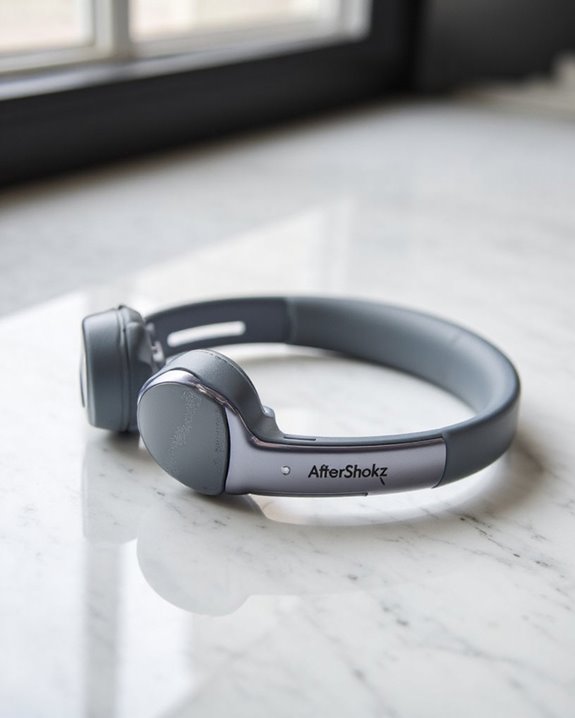
Bone conduction headphone technology has evolved substantially in recent years, with several manufacturers now offering specialized products that cater to different user needs and activities. Shokz dominates the market with models like the OpenRun Pro 2 ($180) and OpenSwim Pro, featuring their proprietary dual-driver technology that addresses traditional bass limitations while maintaining situational awareness.
For water sports enthusiasts, the H2O Audio Tri 2 Pro Multi-Sport and Nank Runner Diver2 Pro provide excellent performance both in and out of water, though their Pricing Strategies typically position them in the premium segment. The business-focused OpenComm UC emphasizes microphone quality over athletic features.
Most bone conduction headphones are accessible through major Availability Channels including Amazon, Best Buy, and manufacturer websites, with prices ranging from $100 to $250 depending on specialized features.
Recommended Products

Innovative Open-Ear Bone Conduction Technology for Healthy & Safe Wearing Adopting the bone conduction sound principle, there is no need to insert the earbuds into the ear canal to block your ears, avoiding damage to the inner ear and eardrum caused by long-time wearing, which is especially suitable for people with sensitive ear canals. You can clearly perceive ambient sounds such as car horns and human voices while enjoying music during exercise, which can effectively avoid risks when running or cycling at night, and there will be no swelling pain or stuffy discomfort in the ear canal even if you wear it for a long time in daily use.

【Open-Ear Design with Advanced Bone Conduction Technology】Experience premium audio delivered through your cheekbones with our bone conduction headphones featuring a next-generation enclosed cavity design. These open ear headphones provide clear, loud sound reproduction even in noisy environments, allowing you to enjoy music while staying aware of your surroundings—perfect for safe outdoor workouts and daily commuting.

Comfortable & Secure Open-Ear Fit
Expert Recommendations for Long-Term Use

While bone conduction headphones offer a unique listening experience, experts emphasize the importance of responsible usage patterns to prevent potential hearing damage. Audiologists recommend maintaining volume levels below 60% of maximum capacity and taking regular breaks every 1-2 hours to minimize pressure and potential skin irritation.
Proper fit is essential for both comfort and safety, as ill-fitting devices can cause headaches and neck strain during extended use. NASA research in this area focuses on optimizing bone conduction technology for astronauts during long-duration space missions, where traditional headphones present significant limitations.
COTS enhancements are being developed through collaboration between commercial manufacturers and research institutions, aiming to improve comfort while maintaining auditory safety. Regular hearing assessments remain advisable for frequent users to monitor potential changes in auditory health.
Recommended Products

Open Ear Headphones: Our bone headphones use the revolutionary bone conduction technology that transmits rich, high-fidelity audio through your cheekbones without blocking your ears. These bone conduction earphones allows you to stay alert to your surroundings while enjoying crystal clear sound quality. Ideal for outdoor running, cycling, city commute or daily activities

Open-Ear Design for Comfort & Safety: Experience the superior fit of OpenRun Pro—say goodbye to in-ear discomfort with our bud-free design. The open-ear design allows users to remain connected to their surroundings for safety and ensure uninterrupted performance.

Open-Ear Comfort - OpenRun’s innovative design features a featherweight, wraparound frame and wireless, open-ear fit for comfortable, earbud-free listening. Includes Shokz headband.
Frequently Asked Questions
Can Bone Conduction Headphones Interfere With Medical Implants?
Fears of headphones jolting pacemakers remain science fiction. Research shows no evidence of Pacemaker Interference or Neural Implant Effects from bone conduction technology, which lacks the electromagnetic fields necessary to disrupt medical implants.
Are Bone Conduction Headphones Suitable for Children?
Bone conduction headphones can be suitable for children, offering enhanced child safety through situational awareness while providing educational benefits. Their open-ear design promotes better environmental awareness and reduces risks of ear infections compared to traditional headphones.
Do Bone Conduction Headphones Work for People With Hearing Aids?
Considering the impact on one’s hearing journey, don’t we all deserve options? Bone conduction headphones offer excellent Compatibility Tests with hearing aids, providing Hearing Integration by avoiding interference and allowing simultaneous use without discomfort or removal.
Can Using Bone Conduction Headphones Cause Headaches or Jaw Discomfort?
Bone conduction headphones can indeed trigger headaches and jaw discomfort. Common headache triggers include prolonged usage, high volume, and tight fit. For jaw relief, users should make sure proper positioning, take regular breaks, and adjust vibration intensity.
How Do Bone Conduction Headphones Perform in Extreme Weather Conditions?
Like submarines designed for ocean depths, quality bone conduction headphones withstand environmental challenges. Most high-end models offer excellent rain resistance through IP67/IP68 ratings and maintain temperature durability in both cold and hot conditions during outdoor activities.