As an Amazon Associate, we earn from qualifying purchases. Some links on this site are affiliate links at no extra cost to you. Our recommendations are based on thorough research and editorial judgment.
Do Headphone Dents Go Away?

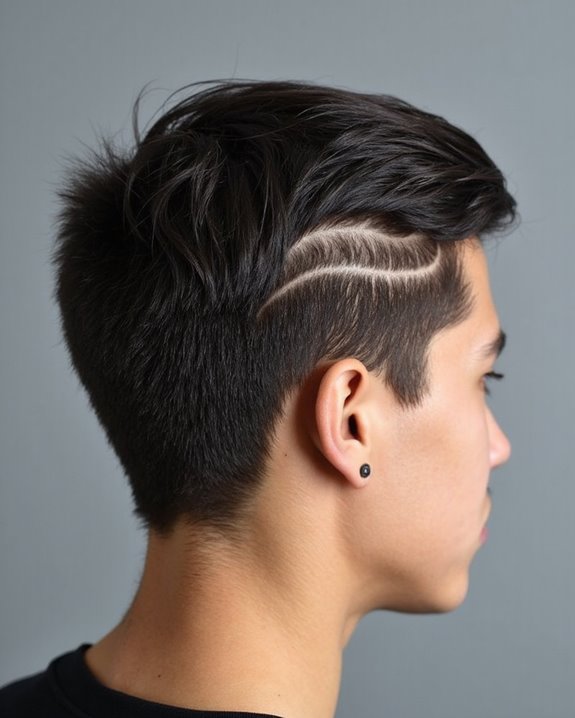
Yes, headphone dents typically disappear within minutes to hours without requiring intervention. These temporary impressions occur when headband pressure compresses hair cuticles, temporarily deforming the keratin structure. Recovery time varies based on hair type, moisture levels, and headphone design. Fine or straight hair shows more pronounced dents than coarse or curly varieties. Most impressions resolve completely within 24 hours, though faster recovery can be achieved through simple techniques like water misting or gentle massage. The following solutions offer even more effective remedies for persistent cases.
Key Takeaways
- Headphone dents are temporary impressions that fade within minutes to hours, with complete disappearance typically occurring within 24 hours.
- Dents result from pressure compressing hair cuticles temporarily, causing no permanent damage to hair structure.
- Hair type significantly affects recovery time, with fine or straight hair showing more pronounced dents than coarse or curly hair.
- Moisture accelerates dent recovery, so misting water on affected areas helps break hydrogen bonds for faster reshaping.
- Recovery time varies based on hair moisture levels, environmental humidity, headphone clamping force, and wearing duration.
The Science Behind Headphone Hair and Indentations
You may be interested
Can You Track Beats Headphones If They Are Lost?
July 1, 2025

The curious phenomenon of headphone dents has a scientific basis rooted in hair biology and mechanical forces. When headphones exert pressure on the scalp, they temporarily disrupt the hair’s protective structures, particularly affecting the cuticle resilience. This pressure compresses the overlapping scales of the cuticle, creating visible indentations.
Hair’s biomechanical properties determine how it responds to these forces. The keratin protein structure deforms under pressure but generally returns to its original state once the force is removed. Medulla influence varies by hair type – fine hair with less medulla shows more pronounced dents, while thicker hair demonstrates greater resilience against deformation.
The moisture content of hair greatly impacts recovery time. Damp hair, with more flexible keratin bonds, rebounds faster than dry hair, which explains why some indentations persist longer than others. Using headphones designed with memory foam ear cushions can help reduce the severity of dents by evenly distributing pressure and minimizing localized force on the scalp.
How Long Do Typical Headphone Dents Last?
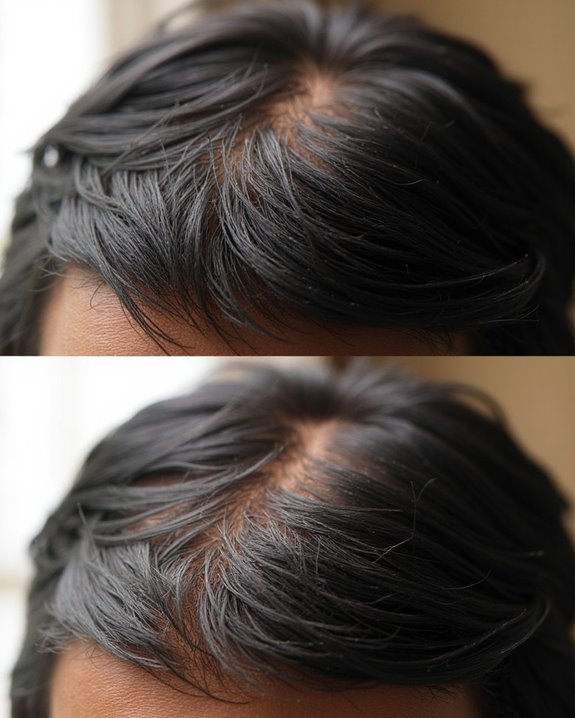
When headphone users remove their devices after extended listening sessions, most wonder about the persistence of those telltale indentations across their hair or scalp. Fortunately, these dents are temporary phenomena, typically fading within minutes to several hours after headphone removal.
Recovery time varies considerably based on individual factors. Most users experience complete disappearance within 24 hours, though Age Effects can influence this timeline—older individuals with less elastic skin may notice slightly longer-lasting impressions. The Climate Role is also notable, as high humidity environments can accelerate recovery by adding moisture to hair fibers, helping them regain natural shape.
For faster recovery, users can:
- Gently massage affected areas to restore circulation
- Brush or restyle hair
- Take periodic breaks during extended headphone use
- Adjust headband tightness to reduce pressure
Recommended Products

Adjustable Sleep Headphones - Equipped with a long-lasting velcro, Bluetooth headband is easier to wear and even more adjustable. Simply undo the strap fastener, adjust it to your desired fit, and fasten it for a snug and comfortable wear. It's designed to fit heads of all sizes and shapes, ensuring a secure and comfy wearing experience

【Adjustable Sleep Headphones & Headband Headphones & Sleep Mask 3 in 1】 ASIILOVI Bluetooth Headband Headphones HF013 allows you enjoy music and protect you from being disturbed by mess hair and sweat. Suitable for gym, workout, jogging, yoga, audio books. The Bluetooth headband is comfortable enough to sleep in any position, air travel, office nap, bedroom.comfortable for side sleepers.

【3 in 1 Bluetooth Headband & Sleeping Headphones & Eye Mask】ASIILOVI sleeping headphones Bluetooth headband built in speakers and no need to wear addition earphones, it’s perfect for running, workout, travel, Yoga and people who like listening to music to fall asleep and don’t want to bother their partner or roommates. What’ s more, a wide front for pretty good blockout, you will have a better sleep by wearing this comfortable headband.
Effective Techniques to Remove Headphone Dents Quickly
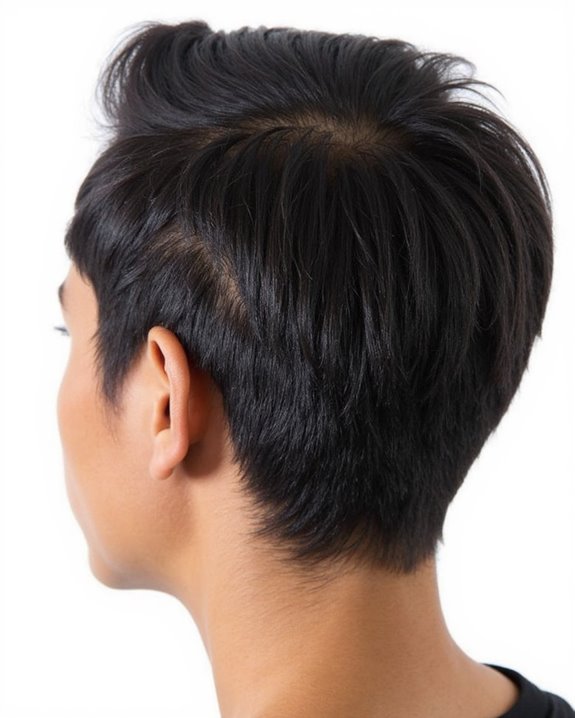
Removing unsightly headphone dents rapidly becomes simple with the right techniques and tools available in most homes. Water misting serves as one of the most effective Quick Techniques, as it breaks hydrogen bonds in hair, allowing for reshaping with gentle finger-combing.
For those seeking Natural Fixes, circular massaging stimulates blood flow to the affected area, helping hair regain its original shape. A low-heat blow dryer can accelerate the process without damaging hair structure when used at a safe distance.
Finger fluffing offers an immediate solution for minor dents, while brushing with a wide-toothed comb helps distribute natural oils while removing compression marks. For pre-event emergencies, combining water misting with gentle blow-drying provides the fastest reset without requiring specialized products or tools.
Recommended Products

Professional Hair Comb Set: 4PCS comb set includes wide tooth comb, rat tail fine tooth comb, medium tooth comb, and braiding comb. Meet your different hair needs of use

Easily detangle wet or dry hair

Easily detangle wet or dry hair
Why Different Hair Types React Differently to Headphones
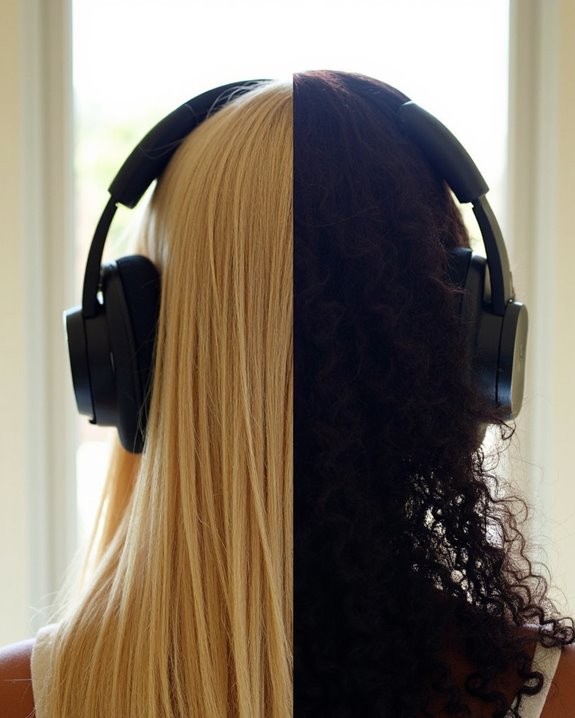
Understanding why headphone dents affect people differently requires examining the fundamental structure and properties of human hair. The composition and viscoelastic nature of hair shafts directly influence how they respond to prolonged pressure from headphones.
Fine, straight hair shows more pronounced dents due to its lower structural resilience, while curly hair demonstrates greater resistance to compression. Cultural styles that incorporate protective arrangements like braids can distribute pressure more evenly, reducing visible indentations.
Hair thickness plays a key role in recovery time—coarse hair typically bounces back faster than fine strands. Aging effects also impact dent formation, as hair elasticity naturally decreases with age, leading to potentially longer-lasting impressions in older individuals. Additionally, moisture levels greatly affect recovery, with well-hydrated hair returning to its original shape more quickly than dry hair.
Headphone Design and Its Impact on Hair Indentations
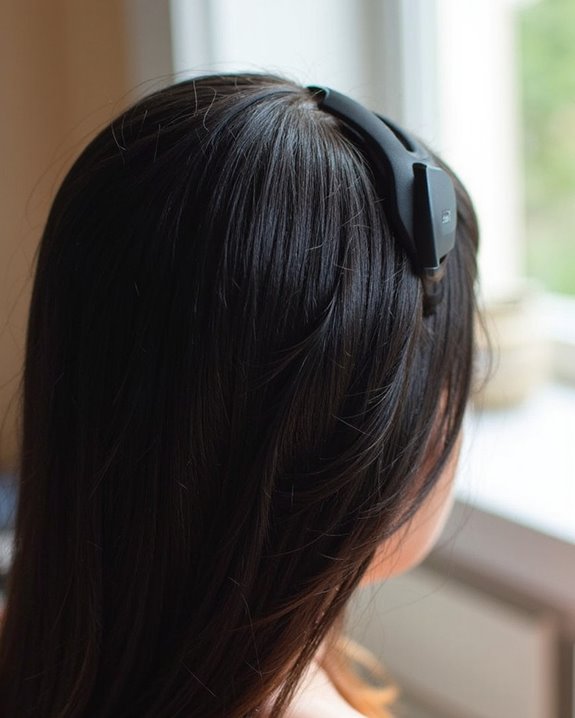
The physical design of headphones directly influences how they interact with the wearer’s hair and contributes greatly to the formation of indentations. Critical factors include headband material, padding thickness, and overall weight distribution.
Headphones with memory foam padding and fabric-wrapped headbands create fewer hair dents by distributing pressure more evenly. Shape modifications, such as wider headbands, can reduce concentrated pressure points that cause pronounced indentations. Different texture options in padding materials also affect how headphones interact with hair—softer, more yielding materials typically cause less flattening.
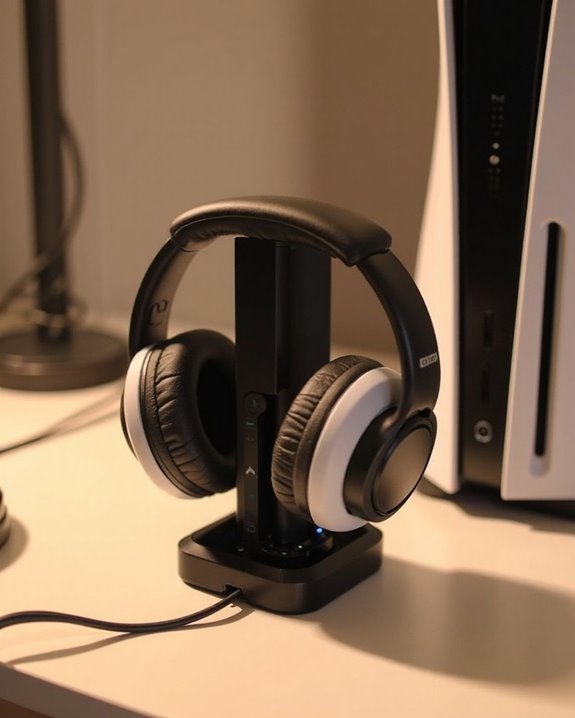
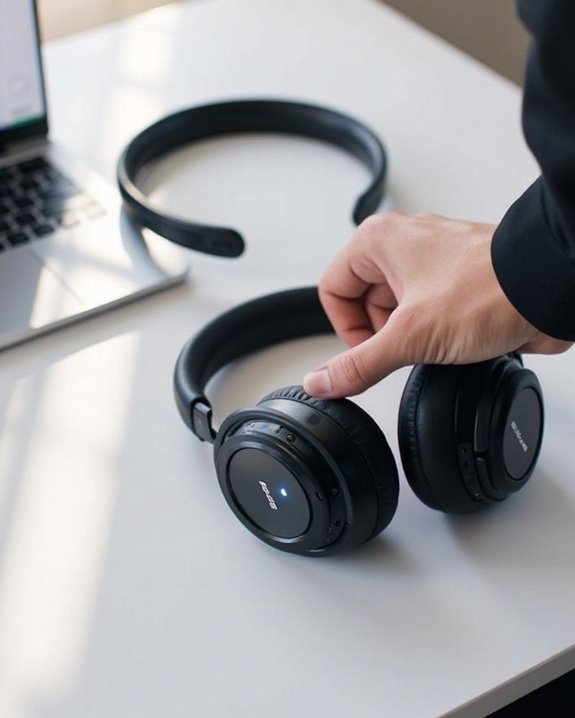
The clamping force remains a significant factor, with tighter-fitting models creating deeper dents, especially during extended use. Over-ear designs with large cups typically cause more noticeable indentations than lighter on-ear or in-ear alternatives due to their increased contact area and pressure.
Many modern sleep and workout headbands utilize breathable polyester-spandex blends that promote airflow and reduce sweat buildup, which can help minimize discomfort and hair flattening during prolonged wear.
Recommended Products

【Sleeping Headphones & Music Headband& Sleep Mask 】New Bluetooth Headband with built-in lightweight speakers, no need to wear extra earphones for insomnia, relaxation, meditation, traveling and more. Perfect for shift workers, tinnitus sufferers, and those who share a bed with a snorer, wearing this musical headband will allow you to sleep better.

The headband set have long-lasting zipper closure that perfectly matches most Medium headphones. There is a lanyard loop on the top of the headband to facilitate the hanging of the headphones.

SUPERIOR SOUND QUALITY WITH SLEEP HEADPHONES: Experience the latest V5.4 technology with MUSICOZY Bluetooth sleep headphones; designed for deep bass and crystal-clear treble, these sleeping headphones effortlessly pair with any smartphone or tablet within 33 feet, making them ideal for side sleeping and relaxation
Separating Myths From Facts: Long-Term Headphone Effects
Despite widespread concerns about headphone usage causing permanent damage, many beliefs about headphone dents represent misconceptions rather than scientific reality. The human skull is remarkably resilient, making permanent structural changes from headphone pressure physiologically impossible.
Research consistently debunks popular Hearing Myths surrounding headphone use. While headphones cannot reshape skulls or cause hair loss, the genuine concerns lie elsewhere: volume-related hearing damage and psychological effects. Extended isolation with headphones can contribute to Stress Impacts, including increased anxiety and social disconnection.
The temporary nature of headphone indentations is well-documented, with marks typically disappearing within hours. Users can accelerate recovery through gentle massage or warm showers. The actual long-term risks of headphone use center on hearing preservation rather than cosmetic concerns about scalp indentations. Choosing headphones with breathable materials can also help reduce discomfort during extended wear.
When to Be Concerned About Persistent Headphone Marks
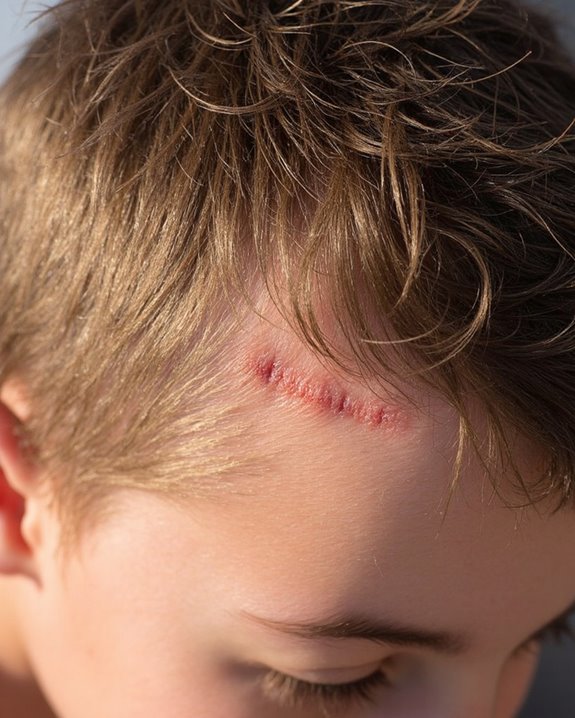
While temporary impressions from headphones typically fade within minutes or hours, persistent marks deserve attention from regular headphone users. Marks remaining for more than a day may indicate excessive pressure or potential underlying issues requiring adjustment in headphone use patterns.
Persistent indentations, especially when accompanied by redness, itching, or discomfort, could signal skin irritation or potential Allergy Triggers from headphone materials. Users should monitor for signs of Infection Risks, including unusual warmth, tenderness, or broken skin along pressure points.
Healthcare consultation becomes advisable when:
- Marks remain visible after 24+ hours despite remedial measures
- Pain or discomfort persists after removing headphones
- Skin shows signs of allergic reaction or infection
- Headache patterns develop in correlation with headphone use
Choosing Headphones That Minimize Hair Dents
Selecting the right headphones plays an essential role in preventing those annoying hair dents that can persist long after listening sessions end. Over-ear designs with wider headbands distribute pressure more evenly, making them superior to on-ear models for minimizing hair compression. Premium brands like Bose, Sony, and Sennheiser offer models with ideal clamping force (2.5-3.0 newtons) and extensive padding.
Cost-effective options include Audio-Technica’s lightweight series and Philips’ SHP series, which feature self-adjusting headbands that maintain minimal pressure. When evaluating potential purchases, prioritize headphones with:
- Lightweight materials (under 250g)
- Thick, breathable cushioning on headband
- Adjustable clamping force mechanisms
- Wide headband designs for better weight distribution
Brand recommendations should focus on manufacturers that emphasize ergonomic design alongside sound quality.
Recommended Products

【ASTONISHING SOUND PRODUCTION 】: High Definition Stereo Headphones, specially developed software and noise reduction technology designed to prevent you from heating ambient noises and makes you focus on what you want to hear. Lose yourself in immersive music even in the lowest volume levels! The goal that provide Customers with outstanding sound quality is our constant pursuit.
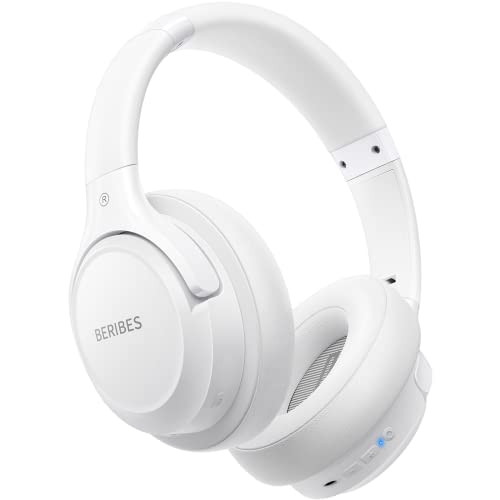
Optional 6 Music Modes: Adopted most advanced dual 40mm dynamic sound unit and 6 EQ modes, BERIBES updated headphones wireless bluetooth black were born for audiophiles. Simply switch the headphone between balanced sound, extra powerful bass and mid treble enhancement modes. No matter you prefer rock, Jazz, Rhythm & Blues or classic music, BERIBES has always been committed to providing our customers with good sound quality as the focal point of our engineering.

Hi-fi Stereo Sound:The High-fidelity stereo sound benefits from the 40 mm audio driver, which deliver exceptionally clear sound with full dynamic range and rich bass and crisp mids and you can enjoy gorgeous deep bass / Hi-Fi stereo sound feast. Just lose yourself in the music.
Daily Habits to Prevent and Manage Headphone Hair
Regularly addressing the impact of headphones on hair quality requires implementing several preventative habits into daily routines. Users should adjust headphone fit periodically to distribute pressure evenly across the scalp, preventing concentrated pressure points that create deeper dents.
Daily hydration of hair through proper conditioning helps maintain elasticity, allowing strands to recover more quickly from compression. When dents do occur, a light spritz of water can help hair regain its natural shape without additional styling damage.
Implementing break routines during extended listening sessions gives hair time to recover from constant pressure. Audio enthusiasts should consider taking 10-15 minute breaks every hour, removing headphones completely to allow hair to resettle. This practice not only preserves hair structure but also prevents potential scalp irritation from prolonged pressure.
Recommended Products

Heat protectant: This weightless heat protectant spray shields your hair from heat damage up to 450°F while delivering lightweight conditioning; preps hair for smooth, strong, ready-to-style hair

TIGI Bed Head Hard Head Hair Spray – Extra Strong Hold for All Day Style and All Hair Types, 11.7 oz
HOLD AND CONTROL: Our Hard Head Hairspray is our maximum-strength hairspray, an extreme hold that's designed and used by professional stylists to keep your hair stunning and stylish when it's your turn to steal the show

Frequently Asked Questions
Can Teens’ Skull Development Be Affected by Regular Headphone Use?
Teen growth and skull evolution are unlikely to be substantially impacted by regular headphone use. While developing skulls are more susceptible to external influences, evidence does not support structural changes from typical headphone pressure.
Do Headphone Dents Indicate a More Serious Underlying Health Issue?
While skull pressure leaves temporary marks, headphone dents rarely indicate serious issues. They show no connection to neurological effects or psychological impacts unless accompanied by persistent pain, dizziness, or other concerning symptoms requiring medical evaluation.
Can Headphone Dents Become Permanent With Excessive Daily Use?
Headphone dents do not become permanent regardless of usage patterns. Research indicates that these indentations are temporary scalp impressions that resolve naturally. Dents permanence is not a concern even with extensive daily headphone use.
Do Noise-Cancelling Headphones Cause Deeper or More Persistent Dents?
Like a gentle cloud that leaves no lasting shadow, noise-cancelling headphones don’t inherently cause deeper dents. The culprits are Earpad Design and Pressure Variations, not the noise-cancellation technology itself. Proper fitting remains essential.
Are There Special Hair Products That Prevent Headphone Dents?
No special hair products exist specifically for headphone dent prevention. Regular hair products like gels or hairsprays may actually worsen dents by setting hair in the indented position rather than preventing them.