As an Amazon Associate, we earn from qualifying purchases. Some links on this site are affiliate links at no extra cost to you. Our recommendations are based on thorough research and editorial judgment.
Why Do Autistic People Wear Headphones?

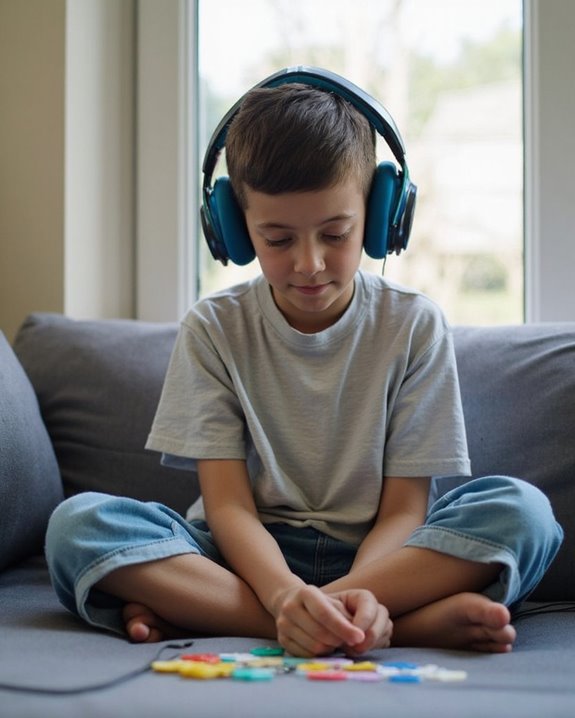
Autistic individuals often wear headphones to manage hypersensitivity to sounds, a condition affecting up to 70% of people with autism compared to 8% of the general population. Headphones create controlled auditory environments that reduce sensory overload from everyday noises that can trigger anxiety or distress. This sensory management tool helps filter unpredictable environmental sounds, providing psychological benefits including improved concentration and reduced anxiety. The neurological differences in auditory processing pathways make this accommodation essential for daily functioning in overwhelming sensory landscapes.
Key Takeaways
- Up to 70% of autistic people experience hypersensitivity to sounds that can trigger distress or impair concentration.
- Headphones provide controlled auditory environments that filter overwhelming background noise and prevent sensory overload.
- Noise-cancelling technology reduces unpredictable environmental sounds during travel or in public spaces like supermarkets and restaurants.
- Wearing headphones creates a consistent auditory landscape that reduces anxiety and improves focus for daily tasks.
- Headphones serve as an accessibility tool that empowers autistic individuals to participate more fully in neurotypical spaces.
The Sensory Processing Challenges in Autism
You may be interested
10 Best Active Noise Cancelling
July 5, 2024
10 Best Bone Conduction Headphones
May 4, 2024
Why do many autistic individuals experience the world so differently from neurotypical people? The answer lies in their unique neurophysiology, particularly in how sensory information is processed. Autism spectrum disorder (ASD) is characterized by atypical sensory processing that manifests as either hypersensitivity or hyposensitivity to environmental stimuli.
Many autistic people struggle with Tactile Sensitivity, experiencing discomfort from clothing tags, certain fabrics, or light touch that neurotypical individuals barely notice. Similarly, Visual Overload occurs when the brain cannot filter irrelevant visual information, making environments like fluorescent-lit stores overwhelming.
These sensory processing differences stem from neurological variations evident in EEG, MEG, and fMRI studies. The brain’s altered ability to integrate multiple sensory inputs simultaneously often results in fragmented perceptions and contributes to the restricted and repetitive behaviors commonly observed in autism. To help manage sensory overload, some autistic individuals use noise cancelling headphones that reduce disruptive background sounds and create a more controlled auditory environment.
How Noise Sensitivity Impacts Daily Life
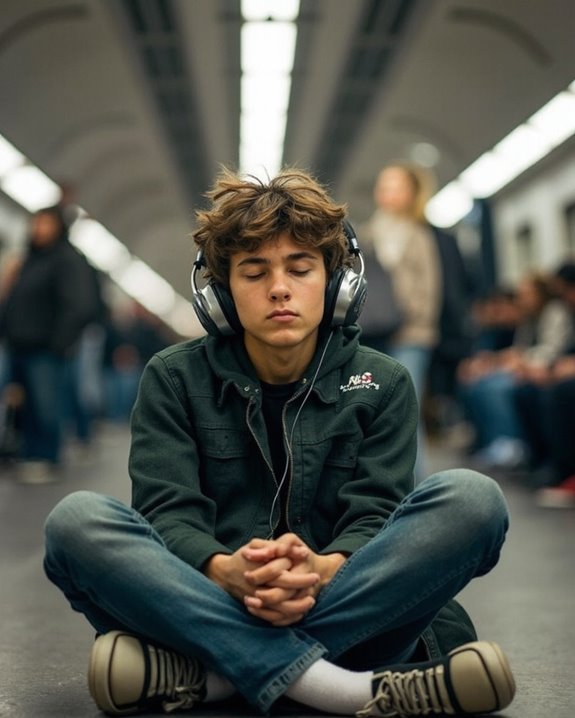
When ordinary sounds become overwhelming, everyday life transforms into a series of auditory challenges for individuals with autism. With up to 70% of autistic people experiencing sound sensitivity (compared to just 8% in the general population), routine activities can trigger significant distress.
Travel Stress often manifests during commutes, where unpredictable noises on public transportation or traffic sounds can provoke anxiety and sensory overload. This sensitivity frequently results in unsafe incidents for approximately 52% of children who overreact or underreact to environmental sounds.
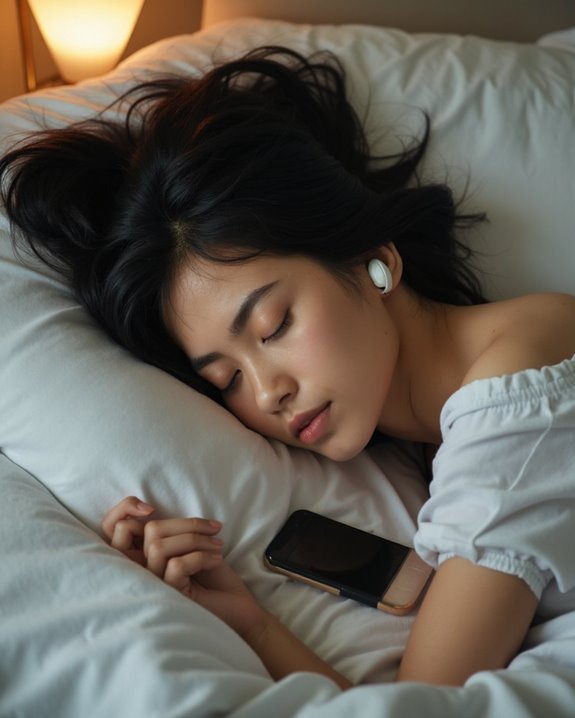
Sleep Disruptions commonly occur as noise sensitivity doesn’t diminish at night. Ordinary household sounds—humming appliances, plumbing, or street noise—can prevent restful sleep, exacerbating daytime stress and anxiety. Creating quieter sleeping environments becomes essential for managing this aspect of auditory sensitivity. Many find relief by using noise reduction devices such as sleep earbuds that offer up to 30dB of sound isolation for better rest.
Recommended Products

Beinkap Ear Plugs for Sleeping - Made from soft silicone, our NC06 ear plugs are reusable and durable hearing protection devices. With a noise reduction rating (SNR) of 35dB and 3 different sizes, they are perfect for sleeping, snoring, working, studying, concerts, traveling, hunting, and more.

Effective Noise Cancellation: The noise Cancelling ear plugs that reduce noisy voice level by up to 25dB-30dB, providing natural quiet sound quality to protect your ear hearing not influenced by noisy environment and help you to get in your bubble. The ergonomic round shape of sleeping ear plugs sits perfectly in your ears, making it a fashionable mountings that protect your hearing.
Auditory Control as a Gateway to Comfort
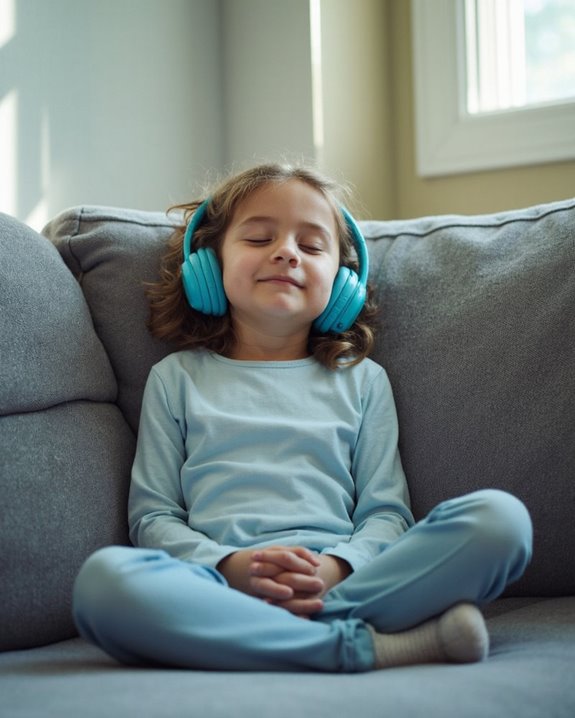
Autonomy over one’s sound environment provides essential relief for individuals with autism spectrum disorder (ASD). By using headphones, they can regulate auditory input, reducing the central gain issues that often cause overwhelming sensory experiences. This control mechanism transforms previously stressful situations into manageable ones.
Headphones serve dual purposes in enhancing both Travel Comfort and Leisure Enjoyment. During transit, they buffer unpredictable environmental sounds that might trigger auditory hypersensitivity. Similarly, they allow for improved experiences during recreational activities by filtering extraneous noise.
The psychological benefits extend beyond immediate comfort. When individuals with ASD can manage their auditory environment, they experience reduced anxiety and improved concentration. This self-regulation strategy represents more than mere preference—it constitutes an effective coping mechanism that facilitates participation in daily activities. Using headphones equipped with Active Noise Cancellation technology can significantly enhance this auditory control by effectively reducing low-frequency noise while maintaining sound quality.
Recommended Products

Reliable Passive Hearing Protection: The ear muffs achieve NRR 28 dB (SNR 34 dB) rating, ANSI S3.19 (US) certified. It efficiently muffles loud noise from power tools, lawn mowers, snoring and everyday ambient sounds to safeguard your hearing all day long

【Extremely Comfortable to Wear】: Wrap your child's ears in cloud-like softness! Dr.meter noise cancelling headphone is made of premium memory foam cores with PU leather padding, creating a breathable seal that stays cozy during monster jams, fireworks, concerts, or even long-term sports events. Designed for providing comfortable wearing—no itching or pressure marks!
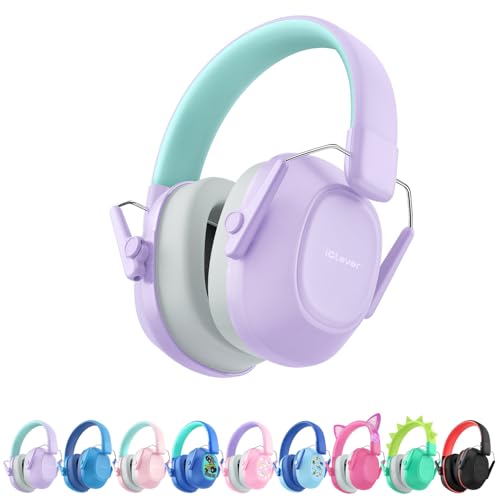
【Double-Certified Safety】Certified to ANSI S3.19-1974 & CE EN 352-1 for reliable hearing protection. We combined the 22mm porous sound-absorbing sponge and custom-made honeycomb acoustic sponge together to absorb and reduce noises while ensuring comfy wearing, achieving an SNR of 29dB and offering reductions up to 46dB under certain scenarios. Please note that earmuffs cannot 100% eliminate noise.
Managing Sensory Overload in Public Spaces
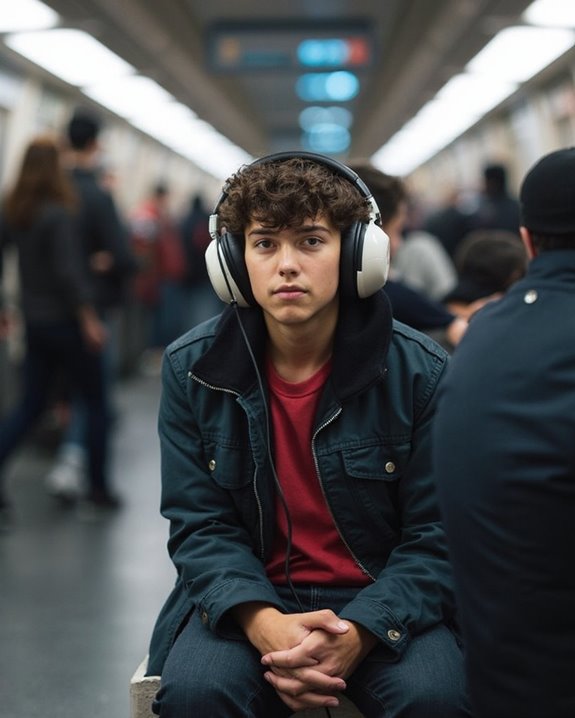
Public spaces present a minefield of sensory challenges for individuals with autism spectrum disorder. Supermarkets, restaurants, and healthcare facilities often bombard the senses with excessive stimuli, triggering anxiety and discomfort.
The concept of Public Predictability plays an essential role in creating accessible environments. When individuals know what to expect—consistent layouts, routine processes, and familiar pathways—they can better prepare for sensory experiences. This predictability greatly reduces anxiety and helps prevent sensory overload.
Recovery Spaces represent another important accommodation in public venues. These designated quiet areas allow individuals experiencing sensory overwhelm to retreat temporarily, regulate their sensory input, and recover equilibrium. Such spaces might feature dimmed lighting, reduced noise, and comfortable seating—creating a sanctuary where individuals can decompress before re-engaging with the environment.
Recommended Products

Effective Hearing Protection: Suitable for 3-15 year old kids. The toddler noise reduction headphones muffle noise to prevent hearing damage; It is a perfect gift for children who have sound sensitivities for airplane flights, monster jam, sports events, Disneyland, concerts, movie theaters, fireworks, etc.

【Extremely Comfortable to Wear】: Wrap your child's ears in cloud-like softness! Dr.meter noise cancelling headphone is made of premium memory foam cores with PU leather padding, creating a breathable seal that stays cozy during monster jams, fireworks, concerts, or even long-term sports events. Designed for providing comfortable wearing—no itching or pressure marks!

🤲【2 Pack,2 Protection】Floriogra 2 pack noise cancelling headphones for kids, will be the most rational and sensible choice for you.Kids ear protection reduces noise to a safe level, allowing little angels to enjoy a variety of activities such as fireworks displays, monster trucks, concerts, sporting events or helping with chores. Floriogra 2 pack kids ear protection ear muffs not only has the same high quality as the one pack but also can save you more than 40% than buying one by one.
The Science Behind Sound Sensitivity in Autism
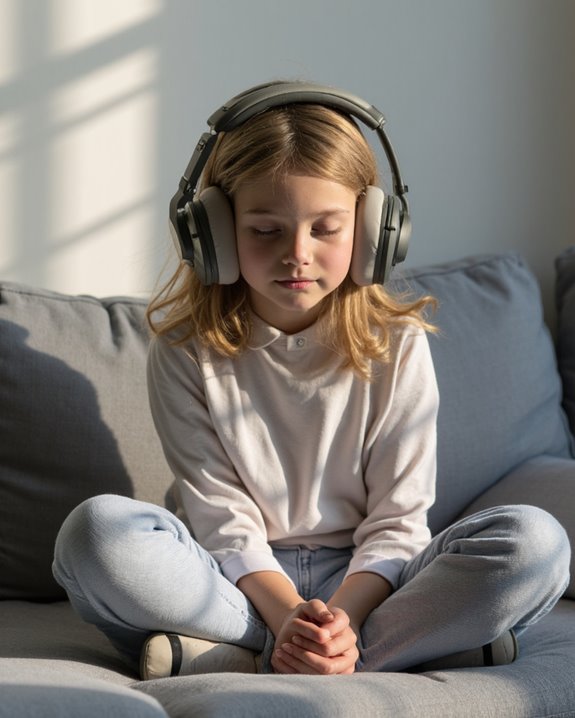
The neurological basis for sound sensitivity in autism reveals complex differences in sensory processing that affect daily functioning. Research indicates that 50-70% of autistic individuals experience hypersensitivity to everyday sounds, with brain regions like the amygdala showing increased activity during auditory stimulation.
Neural correlates of sound sensitivity include differential auditory processing pathways and altered filtering mechanisms. These neurological differences can lead to physical pain, emotional distress, and impaired concentration when exposed to sounds that neurotypical individuals process without discomfort.
Genetic factors likely contribute to the variability in sensory experiences among autistic people. While some individuals display exceptional pitch perception abilities, others struggle greatly with sound loudness. This spectrum of responses reflects the diverse sensory profiles within the autism community, with prevalence rates of hyperacusis ranging from 30% to over 90%.
Different Types of Headphones and Their Benefits
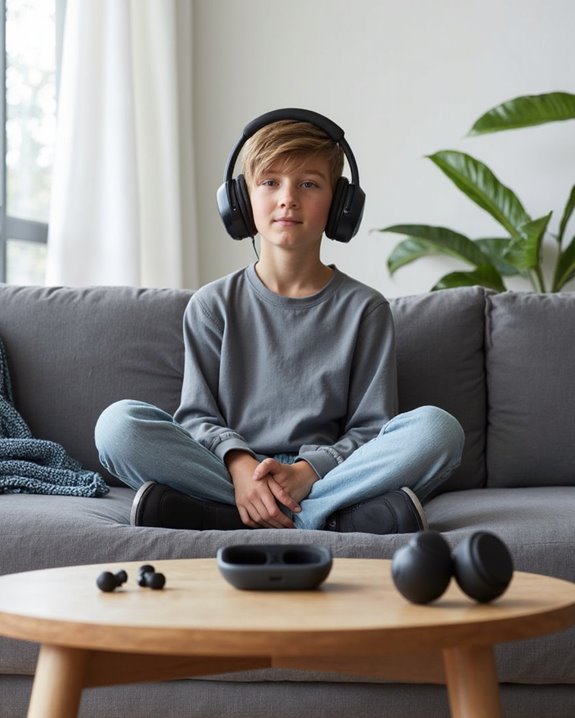
For autistic individuals experiencing sound sensitivity, selecting appropriate headphones represents a significant lifestyle adaptation that can dramatically improve daily functioning. Several options address various sensory needs while balancing Audio Fidelity with Portability Options.
Over-ear headphones provide superior noise isolation and sound quality, creating a protective acoustic barrier for those overwhelmed by environmental sounds. Their circumaural design offers extended comfort for all-day wear.
In-ear models deliver exceptional portability while maintaining effective noise isolation, making them suitable for maneuvering unpredictable environments.
For those requiring environmental awareness, bone conduction technology transmits audio through facial bones rather than the ear canal, allowing users to remain alert to surroundings while enjoying audio content.
Open-ear designs similarly maintain situational awareness, beneficial for safety during outdoor activities where complete sound isolation might create hazards.
Recommended Products

NOISE CANCELLING HEADPHONES: Effortlessly combines noise cancellation technology with passive features so you can shut off the outside world, quiet distractions, and take music beyond the beat

Powerful Noise Cancelling Technology: KVIDIO Active noise cancelling headphones block out up to 95% of ambient noise. It could be a lifesaver from TV, podcasts, and traffic noise while studying or working from home, so you concentrate on what’s important to you

All-Day Comfort & Premium Design: Crafted with high-quality materials, these over-ear wireless headphones combine luxury with long-wearing comfort. The adjustable headband ensures a secure fit for all head sizes, while ultra-soft memory foam ear cups minimize pressure. Lightweight and ergonomic, they're ideal for work, travel, or leisure—keeping you comfortable even during extended use
Creating Personal Safe Spaces Through Sound Management
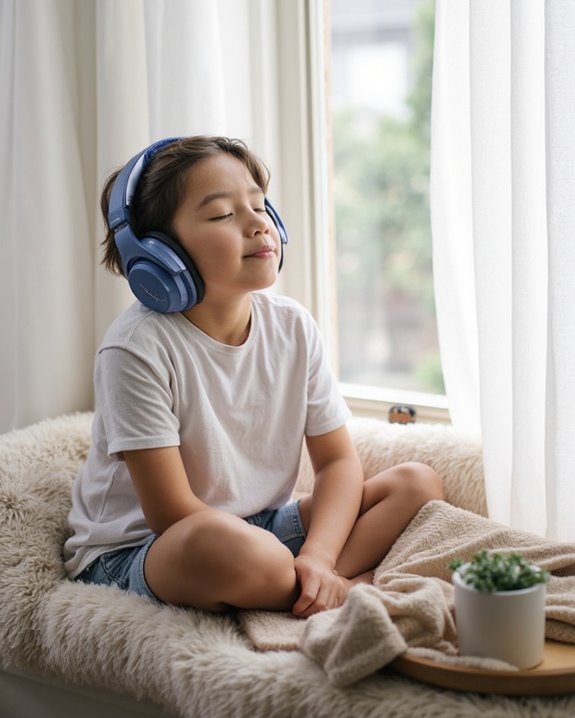
Creating auditory sanctuaries represents a crucial strategy for autistic individuals managing a world filled with overwhelming sensory input. Through thoughtful Space Design, they establish environments where auditory stimuli remain controlled and predictable, greatly reducing anxiety triggers.
Acoustic Privacy serves as a cornerstone concept, allowing individuals to filter overwhelming environmental noise through specialized headphones and environmental modifications. This approach gives autistic people autonomy over their sensory experiences in various settings.
The establishment of personalized sound environments offers several key benefits:
- Reduction of background noise distraction
- Prevention of sensory overload episodes
- Creation of consistent auditory landscapes
- Enhancement of focus and productivity
These customized environments empower individuals to participate more fully in daily activities by providing essential sensory boundaries that neurotypical spaces often fail to accommodate.
Recommended Products

【All-Day Comfort Fit】Say goodbye to head-pinching and uncomfortable wearing from bulky earmuffs! Dr.meter noise cancelling headphones with premium memory foam & soft PU leather provide pressure-free comfort. The elastic, hollow TPE material headband with a breathable design prevents heat and sweat buildup. It's compatible with caps & glasses and ideal for range practice, lawn mowing, woodworking, or noisy factory shifts—keeping you comfy all day.

[Designed for Various Ages] The "Graffiti" noise cancelling headphones earmuffs are designed to fit children aged 3 to 12 years old. With vibrant and flamboyant colors that will captivate your kids' attention, they'll love wearing these fun and stylish earmuffs. The meticulous craftsmanship ensures that the high visibility colors remain bright and fade-resistant over time, keeping your children safe and noticeable in any environment and weather condition

【Excellent Noise Canceling Perfromance】Our noise cancelling headphones crafted with ABS shell and ultra-soft PU leather padding. Our ear protection are certified to meet ANSI safety standards reduce noise by 34dB .Effectively reduces the harmful effects of loud noise and ensures a comfortable fit.
Beyond Noise Reduction: Music as Therapy
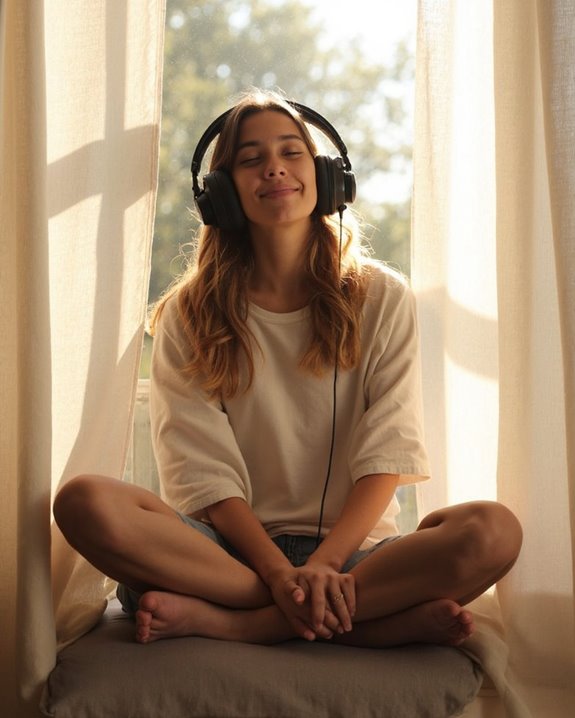
Music serves as far more than just a noise-blocking mechanism for autistic individuals—it functions as a powerful therapeutic tool with neurological and psychological benefits. Research demonstrates that carefully selected Cognitive Tunes can enhance memory, attention, and sensory integration while reducing stress levels.
Social Music experiences facilitate improved communication and interaction skills, with meta-analyses confirming significant enhancements in language development and social functioning. These benefits extend beyond therapy sessions into everyday life, where musical engagement promotes community involvement and adaptive behaviors.
Neuroimaging studies reveal that music therapy positively alters brain connectivity patterns in autistic individuals, supporting broader neurodevelopmental processes. Additionally, biological markers show reduced chronic stress levels and improved gut microbiome composition, addressing both psychological and physiological aspects of autism.
Supporting Autistic Individuals in Their Sensory Journey
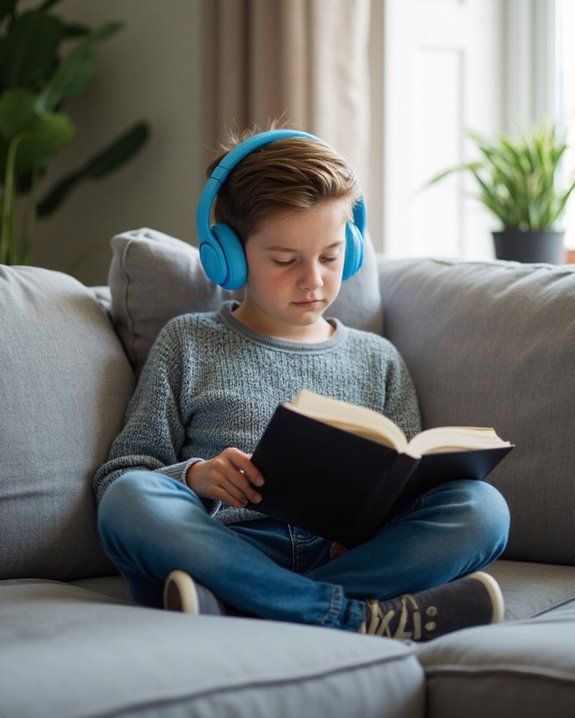
How effectively we respond to the sensory needs of autistic individuals directly impacts their quality of life and daily functioning. With over 96% of autistic individuals experiencing sensory sensitivities, providing appropriate accommodations becomes essential for their wellbeing.
Support strategies should extend beyond headphone use to include complementary approaches. Mindful breathing techniques can help regulate autonomic responses during sensory overload, while structured yoga sessions offer predictable movement patterns that improve body awareness and sensory integration.
Environmental modifications that respect individual sensory profiles demonstrate true inclusivity. These accommodations aren’t merely optional—they’re necessary tools that enable participation in environments that would otherwise remain inaccessible. When caregivers, educators, and community members understand the neurophysiological basis of sensory differences, they can implement targeted supports that substantially improve adaptive behavior and quality of life.
Building a More Inclusive Society Through Understanding
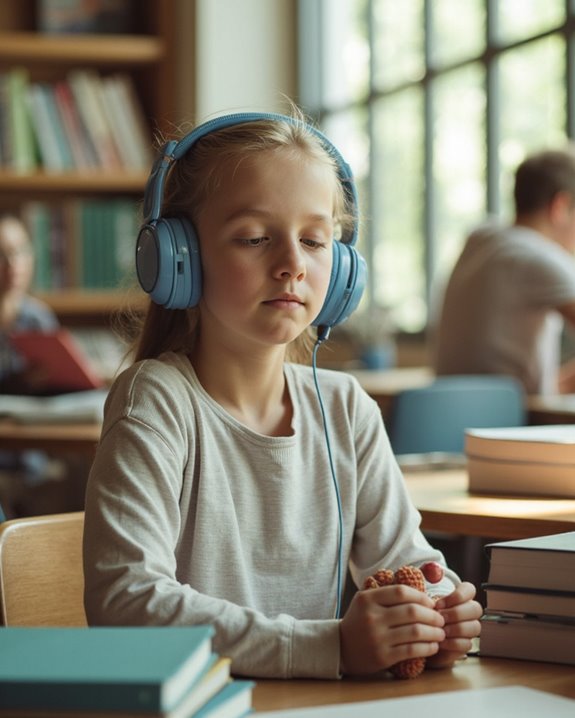
Meaningful societal change requires both awareness of autism prevalence and direct action to dismantle barriers to inclusion. With autism rates now affecting 1 in 31 children, Inclusive Policies must address gaps in healthcare, education, and employment opportunities.
Organizations can implement accommodations that respect sensory needs, including designated quiet spaces and flexibility regarding headphone use. These adjustments benefit not only autistic individuals but create more accessible environments for everyone.
Awareness Campaigns should move beyond surface-level understanding to highlight systemic challenges—such as the fact that 25% of families with autistic children face housing or food insecurity. Educational initiatives should emphasize the diversity within autism, involving autistic voices in developing materials and training.
Community engagement remains essential, as connection with autistic advocates leads to more effective support systems and reduced stigma around sensory-regulating behaviors.
Frequently Asked Questions
At What Age Do Autistic Individuals Typically Start Using Headphones?
Autistic individuals may begin using headphones at varying ages, typically correlating with early diagnosis and sensory onset. This can range from toddlerhood through adolescence, depending on when sensory sensitivities become apparent and are identified.
Can Wearing Headphones Too Often Cause Social Isolation?
Picture a silent room with an individual wrapped in an invisible bubble. Excessive headphone use can lead to social isolation and withdrawal effects if not balanced with meaningful interaction and environmental engagement.
Are There Alternatives to Headphones for Noise Management?
Alternatives to headphones include earplugs, white noise machines, and environmental modifications like soundproofing materials. Sensory tools such as weighted blankets and deep pressure exercises can also help manage noise sensitivity through alternative sensory input.
How Do Schools Accommodate Students Who Need Headphones?
Schools implement educational adaptations through IEPs and 504 plans that permit headphone use. Inclusion strategies include teacher training, classroom modifications, and legal support under IDEA to guarantee students with sensory needs can fully participate.
Do Insurance Plans Cover Specialized Noise-Canceling Headphones?
Some insurance plans may cover specialized noise-canceling headphones when prescribed as medically necessary. Coverage policies vary greatly between providers, and successful insurance claims typically require detailed documentation from healthcare professionals.