As an Amazon Associate, we earn from qualifying purchases. Some links on this site are affiliate links at no extra cost to you. Our recommendations are based on thorough research and editorial judgment.


Are Bluetooth Headphones Bad for Your Health?

Bluetooth headphones emit non-ionizing radiation at substantially lower levels than cell phones. Current scientific evidence shows no conclusive link between Bluetooth usage and serious health concerns like cancer or cognitive impairment. Research remains limited on long-term effects, especially for children. To minimize potential risks, experts recommend taking regular breaks, using lower power settings, and occasionally alternating with wired alternatives. Understanding proper usage guidelines can help users make informed decisions about their personal exposure levels.
Key Takeaways
- Bluetooth headphones emit non-ionizing radiation at lower levels than cell phones, staying within regulatory safety limits.
- Scientific evidence shows no significant connection between Bluetooth exposure and brain tumors or cognitive impairment.
- The World Health Organization classifies radiofrequency radiation as “possibly carcinogenic” based on limited evidence.
- Proximity to the head during prolonged use raises concerns about cumulative radiation exposure effects.
- Using wired headphones, taking breaks, and keeping devices on low power settings can minimize potential risks.
How Bluetooth Radiation Works
You may be interested

Are Bone Conduction Headphones Safe to Use?
June 4, 2025
Are Noise Cancelling Headphones Safe to Use?
July 15, 2025
Bluetooth technology operates on specific radio frequencies that transmit data wirelessly between devices. These devices communicate within the 2.400 GHz to 2.4835 GHz range of the ISM band using 79 different channels, each 1 MHz wide.
Bluetooth employs Frequency Hopping as a key security feature, changing frequencies up to 1,600 times per second. This technique not only reduces interference from other devices operating in the same frequency range but also enhances connection stability and security by generating random frequency patterns for each new connection.
Antenna Design plays a vital role in how Bluetooth radiation is emitted and directed. The RF signals generated by Bluetooth headphones operate at considerably lower power levels than cell phones, resulting in lower radiation intensity. This design consideration helps guarantee these devices maintain radiation emissions well below regulatory safety limits while maintaining effective wireless communication.
The Connection Between Bluetooth Headphones and Thyroid Nodules

Recent research has sparked concern among health professionals regarding wireless technology worn close to the body. Studies analyzing data from 600 questionnaires have established a significant correlation between prolonged Bluetooth headset use and increased thyroid nodule risk.
The proximity of these devices to the thyroid gland appears to be a critical factor. Non-ionizing radiation emitted by Bluetooth headphones may affect thyroid hormones through cumulative exposure, particularly as cellular repair mechanisms decline with age.
Nodule symptoms often develop gradually and may go unnoticed until more advanced stages. Research employing advanced statistical methods like SHAP confirms that daily usage duration directly impacts risk levels.
Health authorities recommend limiting exposure time and maintaining distance between wireless devices and the thyroid to mitigate potential health impacts while further research investigates the underlying biological mechanisms.
Recommended Products

【Industry-Leading 25-Hour Battery】 Only 2 hours to fully charge – then enjoy 25 hours of continuous music, calls, or podcasts. That’s 3+ full workdays or coast-to-coast flights without reaching for a charger. These bluetooth air tube headphones keep going when you do. Low battery alert gives you 30 minutes warning. No other emf free earbuds in this class last longer.

3.5mm Jack Type - ibrain airtube headphones are widely compatible with most 3.5mm devices. Note: please check your jack type and adapter may be needed for some phones. With in-line controls, you can adjust the volume and mute your mic via the headset cable without having to go into extra settings.
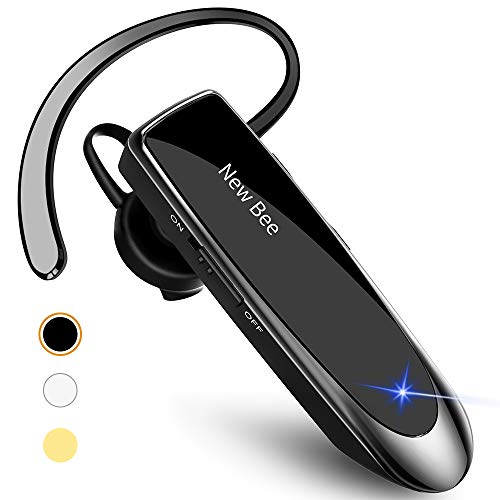
[CVC 6.0 Handsfree Talking] New bee hands-free headsets employs CVC 6.0 technology. The sound whilst on a call will be clear, both for you and the other end.
Current Scientific Understanding of Cancer Risk

While the public remains concerned about potential health risks, the scientific community has not established a definitive link between Bluetooth headphones and cancer. The World Health Organization classifies radiofrequency electromagnetic fields as “possibly carcinogenic,” though this classification is based on limited evidence.
Regarding oncogenic effects, Bluetooth devices emit non-ionizing radiation at substantially lower levels than cell phones. This fundamental difference influences potential risk factors when evaluating cancer development. Most epidemiological studies have not demonstrated a significant connection between Bluetooth usage and increased brain tumor incidence.
The scientific consensus maintains that current evidence does not strongly support causal links between Bluetooth exposure and cancer. However, researchers acknowledge the need for additional long-term studies to thoroughly understand potential biological interactions and address ongoing public health concerns.
Recommended Products

【ASTONISHING SOUND PRODUCTION 】: High Definition Stereo Headphones, specially developed software and noise reduction technology designed to prevent you from heating ambient noises and makes you focus on what you want to hear. Lose yourself in immersive music even in the lowest volume levels! The goal that provide Customers with outstanding sound quality is our constant pursuit.
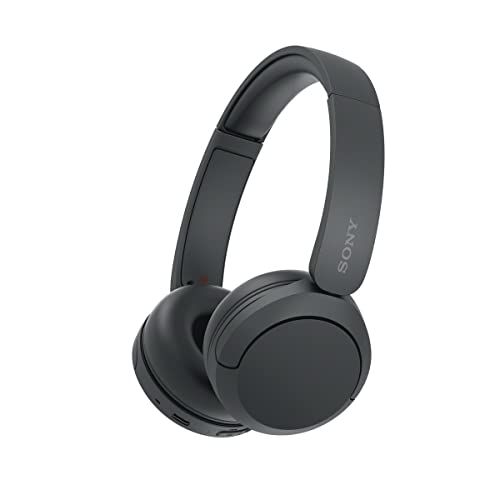
LONG BATTERY LIFE: With up to 50-hour battery life and quick charging, you’ll have enough power for multi-day road trips and long festival weekends. (USB Type-C Cable included)

Zero-Latency Audio for Competitive Edge: Dominate your matches with the AOC wireless gaming headset. Featuring ultra-fast 2.4GHz lossless technology (≤20ms latency), this ps5 headset ensures your audio is always perfectly synced with the action. Tuned 50mm drivers deliver clear gaming sound for footsteps, reloads, dialogue, and in-game effects in FPS, action, and open-world games. The closed over-ear design helps keep you focused during Fortnite, Call of Duty, Roblox, Discord chat, online classes, and movie watching.
Potential Effects on Brain Health and Cognition
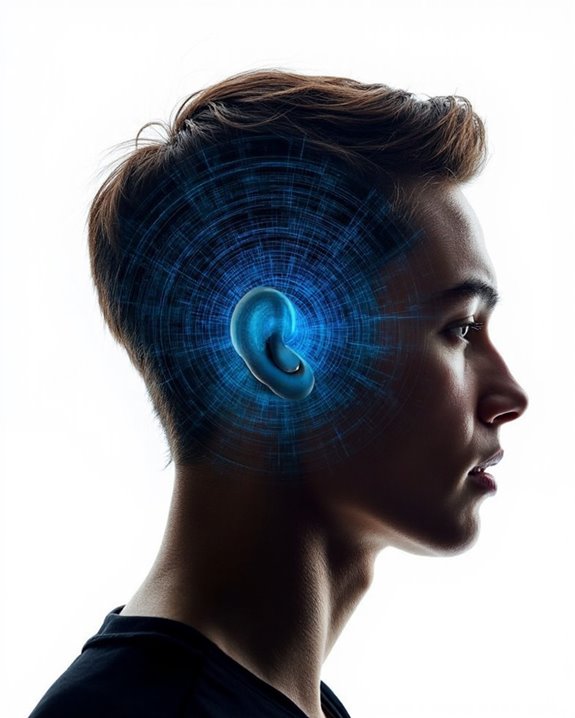
How does electromagnetic radiation from wireless devices affect our neural functioning and cognitive abilities? Current scientific evidence reveals no significant connection between Bluetooth headphone use and cognitive impairment. Studies examining auditory nervous structures have found no short-term effects from the non-ionizing radiation emitted by these devices.
Despite public concerns, research has not established links between Bluetooth EMFs and neurological symptoms or changes in neural plasticity. The radiation levels are substantially lower than mobile phones, positioning them within safety guidelines established by health organizations.
Research gaps remain concerning long-term exposure effects, particularly in developing brains of children and adolescents. While Bluetooth headphones are generally considered safe for brain health based on available evidence, continued monitoring and thorough studies are essential to address remaining questions about extended use.
Daily Usage Guidelines for Minimizing Exposure
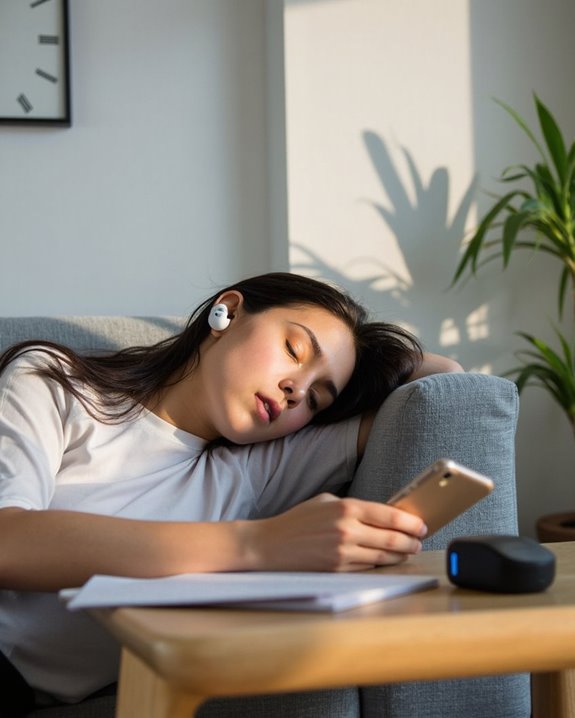
Three essential strategies can help users minimize potential health risks when using Bluetooth headphones. First, implementing Volume Guidelines helps prevent noise-induced hearing loss—sound levels should remain below 70 dB for extended listening, as volumes exceeding 85 dB can damage hearing after two hours of exposure.
Second, establishing Break Schedules allows ears to recover from auditory fatigue. Experts recommend taking 5-10 minute breaks every hour, even when listening at moderate volumes. These intervals help reduce cumulative exposure to non-ionizing radiation.
Third, proper device positioning matters. Users should select the lowest Bluetooth power setting necessary for connection and keep devices away from the body when not in active use. Following manufacturer guidelines regarding safe usage limits further minimizes potential radiation exposure.
Additionally, using ear protection with a suitable Noise Reduction Rating can help maintain hearing health in loud environments such as concerts or events.
Recommended Products

【Extremely Comfortable to Wear】: Wrap your child's ears in cloud-like softness! Dr.meter noise cancelling headphone is made of premium memory foam cores with PU leather padding, creating a breathable seal that stays cozy during monster jams, fireworks, concerts, or even long-term sports events. Designed for providing comfortable wearing—no itching or pressure marks!

【Excellent Noise Canceling Perfromance】Our noise cancelling headphones crafted with ABS shell and ultra-soft PU leather padding. Our ear protection are certified to meet ANSI safety standards reduce noise by 34dB .Effectively reduces the harmful effects of loud noise and ensures a comfortable fit.

Reliable Passive Hearing Protection: The ear muffs achieve NRR 28 dB (SNR 34 dB) rating, ANSI S3.19 (US) certified. It efficiently muffles loud noise from power tools, lawn mowers, snoring and everyday ambient sounds to safeguard your hearing all day long
Key Research Findings and Limitations

The scientific understanding of Bluetooth headphone safety remains complex and evolving, with recent studies yielding both reassuring and concerning results. While numerous studies indicate the non-ionizing radiation from Bluetooth devices poses minimal risk, emerging research has identified a potential link between prolonged usage and thyroid nodules.
Several methodological challenges affect current research validity. Research bias frequently appears in self-reported usage data, while funding sources may influence study design and interpretation of results. Most investigations lack longitudinal components necessary to assess cumulative effects.
Additionally, significant variability exists between different Bluetooth devices and their emission levels. Current studies often employ descriptive statistics rather than more rigorous analytical approaches, limiting the strength of conclusions that can be drawn about causality between Bluetooth headphone usage and health outcomes. Moreover, many wireless kids headphones incorporate Bluetooth 5.2 connectivity designed specifically to minimize potential risks for younger users.
Special Considerations for Long-Term Users

Long-term users of Bluetooth headphones face unique health considerations that merit special attention, particularly as research continues to evolve regarding non-ionizing radiation exposure. Recent studies have identified a correlation between prolonged daily use and increased risk of thyroid nodules, with Aging Factors greatly influencing susceptibility.
While Bluetooth emissions fall below regulatory safety thresholds, the cumulative effects of years of exposure remain inadequately studied. Experts recommend implementing Preventive Health measures, including:
- Limiting daily usage duration
- Alternating between Bluetooth and wired audio devices
- Keeping devices away from the head when not in use
- Scheduling regular health screenings
These precautions are especially important for individuals who rely on Bluetooth technology professionally, as their cumulative exposure may substantially exceed that of casual users. Additionally, choosing headphones with Bluetooth 5.0+ connectivity can help minimize power consumption and reduce prolonged exposure to emissions.
Recommended Products
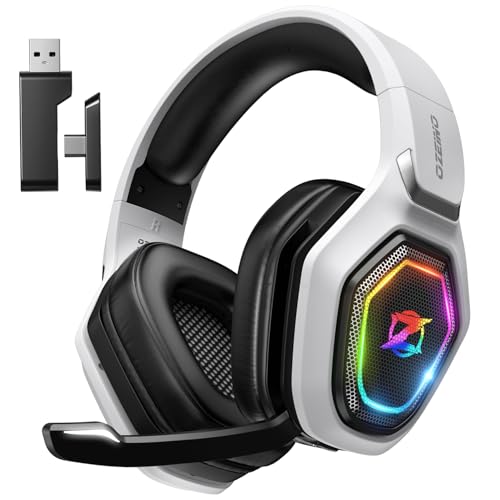
【Amazing Stable Connection-Quick Access to Games】Real-time gaming audio with our 2.4GHz USB & Type-C ultra-low latency wireless connection. With less than 30ms delay, you can enjoy smoother operation and stay ahead of the competition, so you can enjoy an immersive lag-free wireless gaming experience.
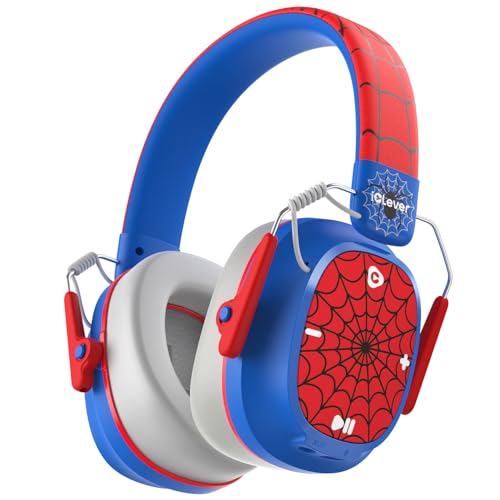
[Deep Noise Reduction & Better Focus]:Featuring a newly designed acoustic cavity and honeycomb structure, these hearing protection ear muffs enhance passive noise reduction in mid-to-high frequencies. With 18 mm+8 mm slow-rebound foam and 22mm sound-absorbing cushions, they reduce resonance and create a secure seal—cutting noise by up to 35dB at 1 KHz. Ideal for helping kids concentrate during online classes, reading, or music time.

【Prioritizing Comfort】- JoySpark kids bluetooth headphones put comfort first with their memory foam ear cushions, providing a gentle and breathable fit for your little ones. The fully adjustable headband with soft padding ensures a strain-free experience, keeping kids comfortable all day long.
Alternative Options for Health-Conscious Consumers
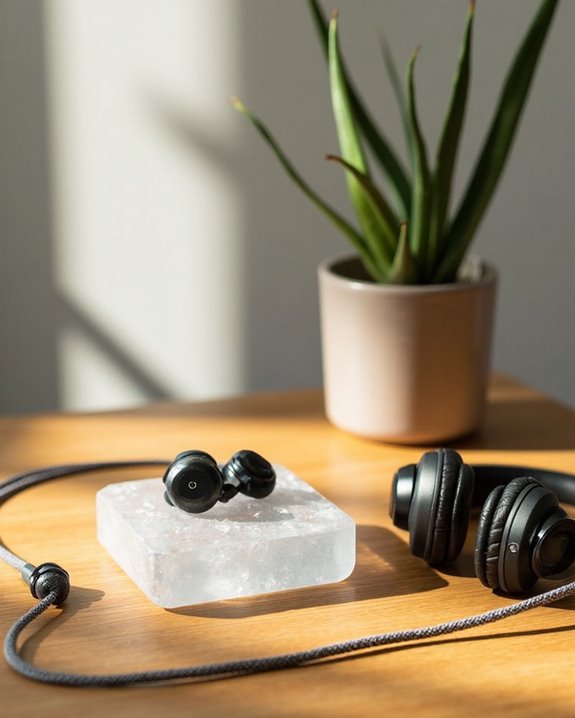
Given the concerns surrounding Bluetooth radiation exposure, health-conscious consumers increasingly seek safer alternatives that minimize potential risks while maintaining audio functionality. Traditional wired headphones offer substantially reduced EMF radiation while often delivering superior sound quality. Air tube headphones represent an innovative middle ground, converting electrical signals to acoustic waves before they reach the ear.
For those prioritizing Sustainable Alternatives, wired options typically last longer, consume less energy, and generate minimal e-waste compared to their wireless counterparts. Manufacturers have responded with advanced Ergonomic Designs featuring improved comfort and durability. Modern wired and air tube models incorporate innovative materials that enhance the listening experience without compromising health considerations.
The market for these alternatives continues expanding as consumers become more informed about potential long-term health implications of wireless technology.
Recommended Products

PREMIUM EMF TECHNOLOGY – These EMF earbuds combine crisp sound with built-in signal protection, offering innovative back to school headphones that balance audio quality and safer listening during study or commutes.

EMF Free & Anti Radiation Headphones – Advanced air tube technology and shielded wiring block over 99% of harmful EMF. Enjoy safer, radiation-free listening with zero exposure near your head and neck

【Science-Backed EMF Shielding Through Air Tube Technology】 Stop worrying about radiation from conventional earbuds. CWUIGA’s air tube headphones use a physical isolation method: the electronic driver is placed outside the earbud, and sound travels through hollow air tubes via pure air pressure. This design makes them true zero emf headphones and emf free earbuds. Perfect for pregnant women who want to minimize fetal exposure, and for parents buying anti radiation headphones for their kids.
Frequently Asked Questions
Do Children Face Higher Health Risks From Bluetooth Headphones?
Children face potentially higher health risks from Bluetooth headphones due to greater pediatric absorption of radiofrequency radiation. Their developing bodies and smaller head sizes allow deeper penetration of electromagnetic fields compared to adults.
Can Bluetooth Radiation Affect Fertility or Pregnancy Outcomes?
Some research suggests Bluetooth radiation may impact fertility through decreased sperm quality and motility in men. Studies also indicate potential effects on fetal development, though evidence remains limited and more standardized research is needed.
How Do Bluetooth Earbuds Compare to Over-Ear Headphones for Safety?
Like choosing between distant thunder and a close whisper, earbud design places radiation sources closer to the brain than over-ear comfort. However, both emit minimal non-ionizing radiation that falls within safety guidelines despite their different placements.
Do Certain Medical Conditions Increase Sensitivity to Bluetooth Radiation?
Some individuals with chronic sensitivities or allergy reactions may experience increased sensitivity to electromagnetic fields from Bluetooth devices, though scientific evidence remains limited regarding specific medical conditions that definitively increase susceptibility to Bluetooth radiation.
Can Bluetooth Headphones Interfere With Medical Devices Like Pacemakers?
Bluetooth headphones can indeed interfere with medical devices like pacemakers. Pacemaker safety concerns arise from magnetic components in headphones. Device risks are minimized by maintaining at least 6 inches distance from implanted medical technology.