As an Amazon Associate, we earn from qualifying purchases. Some links on this site are affiliate links at no extra cost to you. Our recommendations are based on thorough research and editorial judgment.
Can Headphones Dent Your Head?

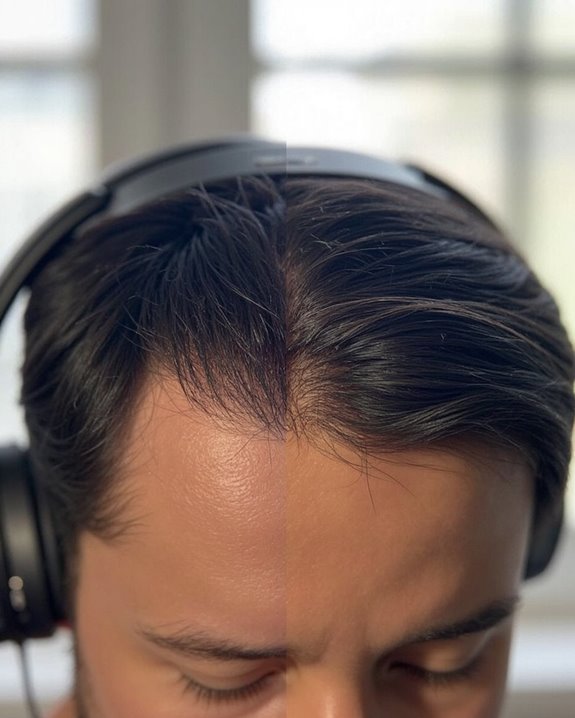
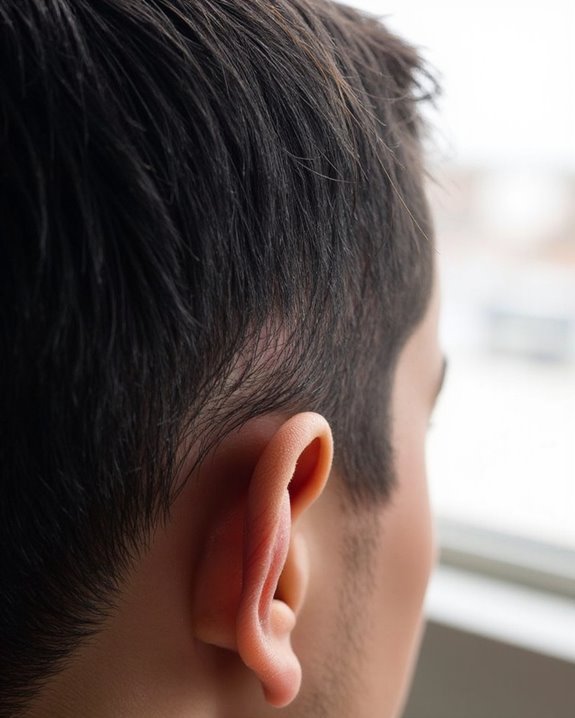
Headphones cannot permanently dent your skull. The temporary indentations sometimes visible after extended headphone use occur only in soft tissues like skin and hair, not bone structure. These impressions result from pressure (typically 0.3-0.5 kg/cm²) temporarily compressing tissues and displacing hair. Normal indentations resolve within minutes to hours as blood flow returns to compressed areas. The human skull’s architecture specifically evolved to resist and distribute external pressure. The following explanations clarify the science behind this common concern.
Key Takeaways
- Headphones can cause temporary indentations from pressure (0.3-0.5 kg/cm²) on soft tissues, but these resolve within minutes to hours.
- Unlike orthodontic devices, headphones don’t affect bone structure or cause permanent skull deformation.
- The human skull’s design naturally distributes external pressure, protecting against structural changes from headphone use.
- Viral claims about permanent “head dents” from headphones are hoaxes that exaggerate normal temporary impressions.
- Using adjustable headbands, taking breaks, and proper positioning can minimize pressure points and prevent temporary marks.
The Headphone Dent Phenomenon Explained
You may be interested

Are Bluetooth Headphones Bad for Your Health?
June 3, 2025

Are Bone Conduction Headphones Safe to Use?
June 4, 2025
The phenomenon known as “headphone dent” refers to temporary indentations or marks that form on the scalp after wearing headphones for extended periods. These depressions occur when headphone bands exert consistent pressure (0.3-0.5 kg/cm²) on the skull, compressing soft tissues and hair structures.
The Global Prevalence of headphone dents has increased with the rising popularity of extended headphone use, particularly among gamers and audio professionals. While no definitive Historical Origins exist for when this phenomenon was first documented, public awareness has grown greatly through social media platforms.
Despite visible effects, these dents result from temporary soft tissue compression rather than skull deformation. Most indentations resolve naturally once the pressure source is removed, with blood vessels returning to normal function and scalp tissues regaining their original shape. Choosing headphones with adjustable headbands can help distribute pressure more evenly and reduce the risk of developing these indentations.
Understanding Skull Anatomy and Resistance
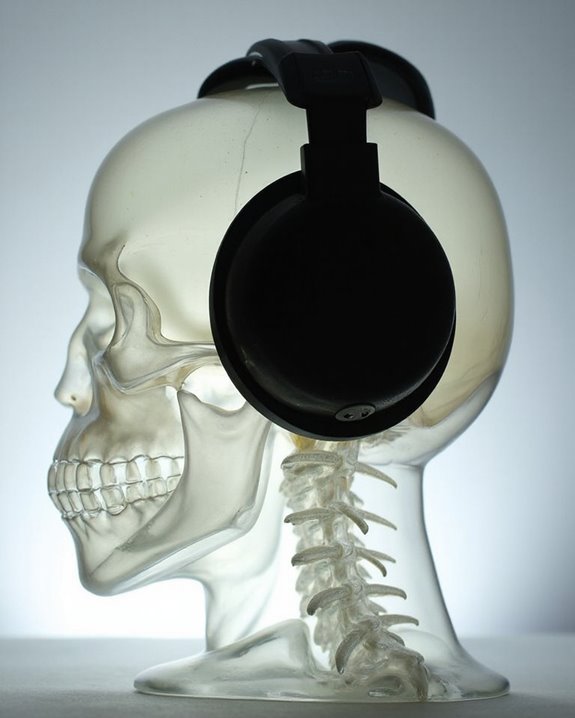
While headphone dents affect the soft tissues of the scalp, understanding the underlying skull structure explains why permanent damage is highly unlikely. The human skull consists of 22 bones connected by fibrous joints called sutures, forming a protective shell around the brain.
Suture development creates an extremely resilient structure capable of withstanding significant external pressure. These sutures, including the coronal and sagittal sutures, provide both stability and limited flexibility to the cranium.
The skull’s design includes three distinct areas—the anterior, middle, and posterior cranial fossae. Fossa evolution has optimized these regions for maximum protection of essential brain structures. The curved architecture and thickness of the neurocranium distribute pressure from headphones evenly, preventing any structural deformation from constant but mild compression forces.
Additionally, modern headphones often feature lightweight materials like titanium frames that reduce pressure on the head during extended use.
Temporary Indentations vs. Permanent Damage
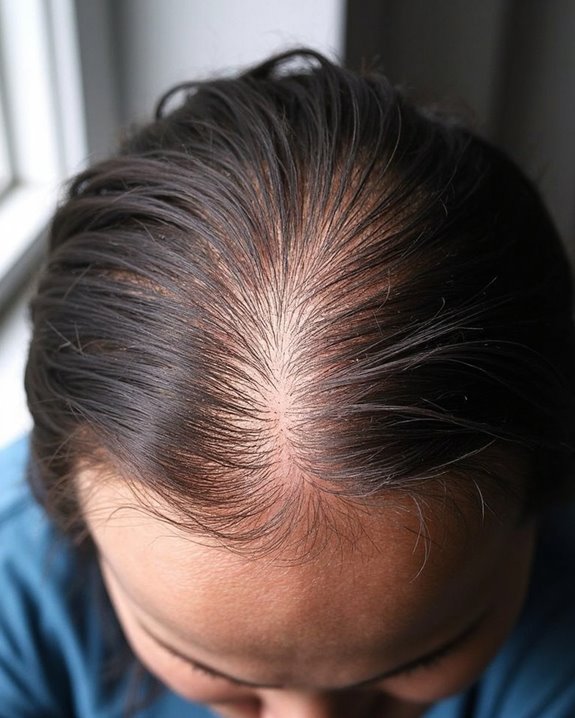
Many headphone users worry about permanent head deformation, yet evidence clearly distinguishes between temporary indentations and actual skull damage. Unlike Orthodontic Effects that can reshape bone structure over months of sustained pressure, headphone marks affect only skin and hair temporarily.
These surface impressions resolve naturally within minutes to hours after headphone removal, similar to how Athletic Strains cause temporary tissue compression but no skeletal alteration. The adult skull’s density and rigidity prevent deformation from the minimal pressure headbands exert.
Medical consensus confirms that while users may observe concerning marks after extended wear, these superficial impressions involve only soft tissue compression. Gentle massage, adjusting headband tension, and taking regular breaks effectively prevent even temporary marks without compromising listening enjoyment. Additionally, modern sleep headphones often incorporate breathable materials to reduce pressure and moisture buildup, further minimizing the risk of any temporary indentations.
Recommended Products

2 in 1 Sleep & Sports Headband - The Bluetooth Headband enables you to enjoy music without wearing extra headphones, while keeping your hair and sweat from tidy. It further features a built-in microphone to prevent missed calls. The headband is suitable for outdoor activities such as gym workouts, jogging, yoga, and other outdoor activities. Additionally, it can assist with relaxation, meditation, travel, and more.

【3 in 1 Bluetooth Headband & Sleeping Headphones & Eye Mask】ASIILOVI sleeping headphones Bluetooth headband built in speakers and no need to wear addition earphones, it’s perfect for running, workout, travel, Yoga and people who like listening to music to fall asleep and don’t want to bother their partner or roommates. What’ s more, a wide front for pretty good blockout, you will have a better sleep by wearing this comfortable headband.

【Sleeping Headphones & Music Headband& Sleep Mask 】New Bluetooth Headband with built-in lightweight speakers, no need to wear extra earphones for insomnia, relaxation, meditation, traveling and more. Perfect for shift workers, tinnitus sufferers, and those who share a bed with a snorer, wearing this musical headband will allow you to sleep better.
Social Media Myths About Headphone Usage
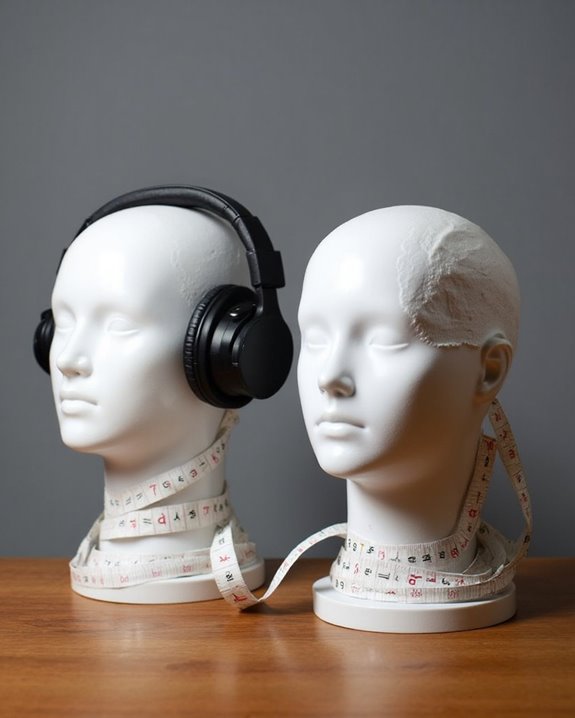
Social media platforms have become breeding grounds for headphone-related myths that spread rapidly despite lacking scientific foundation. Among the most persistent online myths are claims that Bluetooth headphones greatly increase cancer risk through radiation exposure—a concern not supported by current scientific consensus.
Viral hoaxes about permanent head dents from headphones have caused unnecessary alarm, while the truth is more benign: temporary indentations typically resolve quickly after removing headphones. Similarly, exaggerated claims about EMF radiation dangers circulate widely despite limited conclusive evidence of harm.
While some legitimate concerns exist regarding skin irritation from tight headphones or hygiene-related issues, these are often overshadowed by sensationalized misinformation. The greatest actual risk from headphone use remains noise-induced hearing loss, not physical pressure effects or radiation exposure.
The Science Behind Pressure and Skull Structure
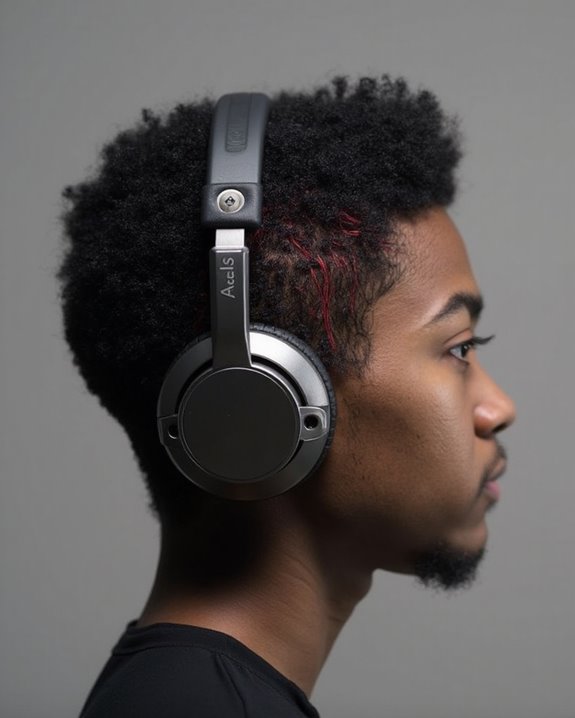
The human skull’s remarkable structural integrity makes it highly resistant to permanent deformation from external pressures like those exerted by headphones. Composed primarily of dense compact bone, the skull possesses biomechanical properties specifically designed to protect the brain from compressive forces.
When headphones are worn, they distribute pressure across the temporal and parietal bones—areas engineered to withstand substantially greater forces than headphone bands can generate. The temporary “dents” some users report are actually impressions in soft tissue rather than alterations to bone structure.
These skin indentations occur because sustained pressure compresses blood vessels and subcutaneous tissues temporarily. Once headphones are removed, skin elasticity allows these soft tissues to rebound naturally, typically within minutes to hours, confirming that structural integrity of the skull remains intact.
Health Concerns Related to Extended Headphone Wear
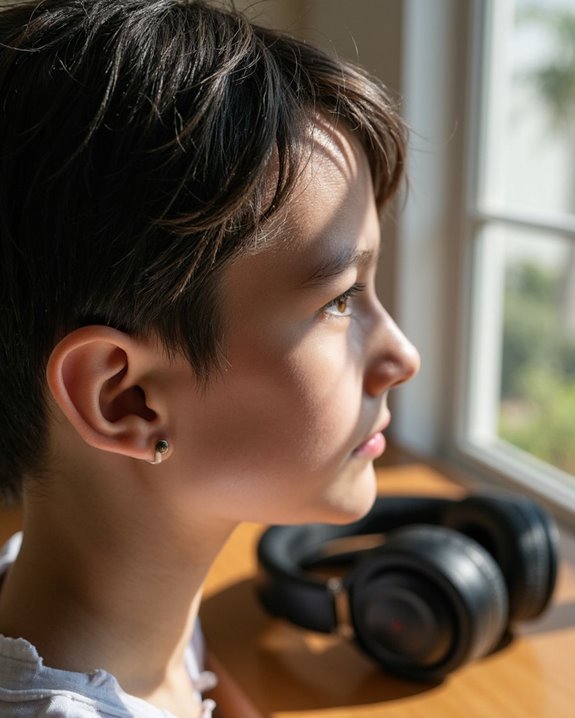
While headphones rarely cause skull deformation, extended use poses several major health risks beyond temporary pressure marks. Prolonged exposure to high volumes can damage cochlear capillaries, potentially causing permanent hearing loss and tinnitus that may take months to recover.
Headphones create ideal conditions for bacterial proliferation, increasing bacteria levels up to 700% inside ear canals. This trapped moisture and warmth greatly raises the risk of ear infections, particularly during hot weather or exercise.
Additionally, chronic noise exposure contributes to cognitive fatigue and may have concerning neurological implications. Some research suggests links between persistent auditory stress and increased risk of cognitive decline over time.
To minimize these risks, users should maintain safe volume levels, take regular breaks, and clean headphones frequently to reduce bacterial contamination.
Recommended Products
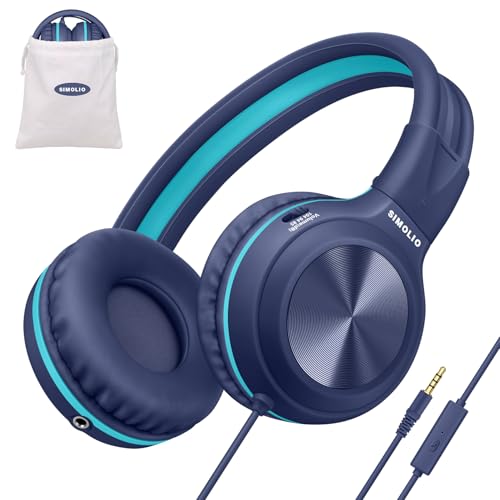
AUDIO SHARING MADE EASY – NO SPLITTER NEEDED: Meet the SIMOLIO Manyshare Series - your seamless audio sharing solutions with both wired and wireless options! Tailored for hassle-free group listening, our Manyshare wired headphones come with a built-in share port, letting multiple listeners connect and listen from one single device without needing an extra splitter. Ideal for sibling sharing, classroom sessions, story time, family travel and playdates. Looking for USB-C Headphones? Please check out our SIMOLIO USB-C wired headphones. Perfect for iPhone 15/16, Samsung Galaxy S24/25, Google Pixel and other modern devices without a 3.5mm port

[Advanced Noise Cancelling & Hearing Protection]Designed for toddlers and kids aged 3+, Midola headphones feature one‑button ANC that reduces up to 35dB of background noise (ANC+PNC), creating a quieter space for learning and play. Double‑click the play button to toggle between 85dB hearing‑safe mode and 94dB (parental guidance). (Note: ANC is not available in wired mode; wired connection defaults to 85dB)

【Double-Certified Safety】Certified to ANSI S3.19-1974 & CE EN 352-1 for reliable hearing protection. We combined the 22mm porous sound-absorbing sponge and custom-made honeycomb acoustic sponge together to absorb and reduce noises while ensuring comfy wearing, achieving an SNR of 29dB and offering reductions up to 46dB under certain scenarios. Please note that earmuffs cannot 100% eliminate noise.
How Your Hair and Skin Respond to Headphone Pressure
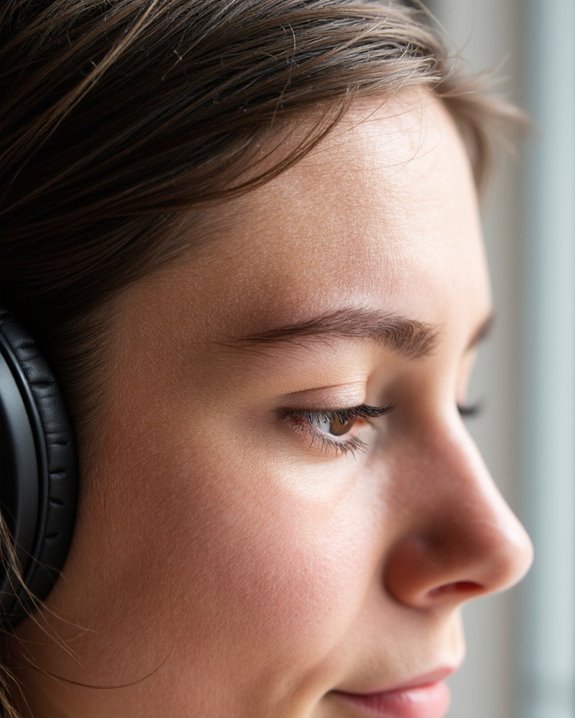
Beneath the surface of seemingly innocuous headphone use lies a complex relationship between pressure and your body’s responses. Extended wear of tight-fitting headphones can lead to traction alopecia, a temporary form of hair loss resulting from prolonged tension on follicles.
The scalp’s skin may also exhibit irritation, redness, and inflammation due to friction and compression. Proper scalp hygiene becomes essential for preventing adverse reactions, particularly when sweat and oils accumulate under headphone materials.
For follicle protection, experts recommend:
- Using headphones with adjustable, padded bands
- Taking regular breaks during extended listening sessions
- Wearing thin hats or headbands to distribute pressure
- Opting for alternative styles like earbuds or behind-the-neck designs
These practices help minimize potential damage while maintaining both comfort and audio quality.
Proper Headphone Fit and Pressure Distribution
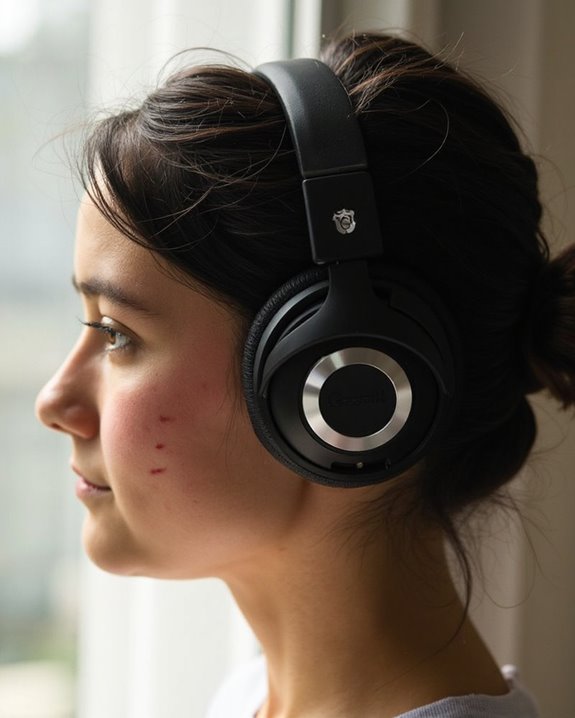
Finding the proper fit for headphones represents a critical balance between comfort and functionality that many users overlook. Ergonomic designs distribute pressure evenly across the head, preventing concentration on sensitive temporal areas. Headband materials greatly impact this distribution, with premium models utilizing memory foam and breathable fabrics to minimize pressure points during extended wear.
Modern headphones incorporate various adjustment mechanisms, allowing customization for different head shapes and sizes. These mechanisms—including sliding rails, pivoting ear cups, and tension controls—guarantee the 2-4 newtons of typical clamping force spreads appropriately. Laboratory pressure mapping identifies potential discomfort zones, leading manufacturers to refine cushion density and headband flexibility.
For ideal comfort, users should make sure ear cups fully encompass the ears while the headband rests gently across the crown without creating localized pressure.
Recommended Products
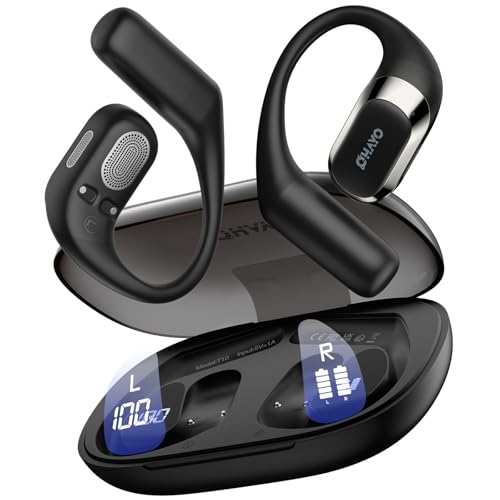
𝐑𝐢𝐜𝐡 𝐀𝐮𝐝𝐢𝐨 𝐚𝐧𝐝 𝐂𝐥𝐞𝐚𝐫 𝐂𝐚𝐥𝐥𝐬:These open-ear wireless Bluetooth headphones feature an innovative quad-speaker design (dual drivers per earbud), equipped with 15mm large-diaphragm dynamic drivers and a dedicated headphone amplifier chip. The primary drivers are precisely aligned with your ear canal to deliver live-concert-quality audio with stunning immersion.

【ASTONISHING SOUND PRODUCTION 】: High Definition Stereo Headphones, specially developed software and noise reduction technology designed to prevent you from heating ambient noises and makes you focus on what you want to hear. Lose yourself in immersive music even in the lowest volume levels! The goal that provide Customers with outstanding sound quality is our constant pursuit.

Lightweight 1.38 in neodymium dynamic drivers deliver a punchy, rhythmic response to even the most demanding tracks. Driver Unit: Dome type.Specific uses for product : Travel
Posture Issues and Tech Neck: The Real Concern
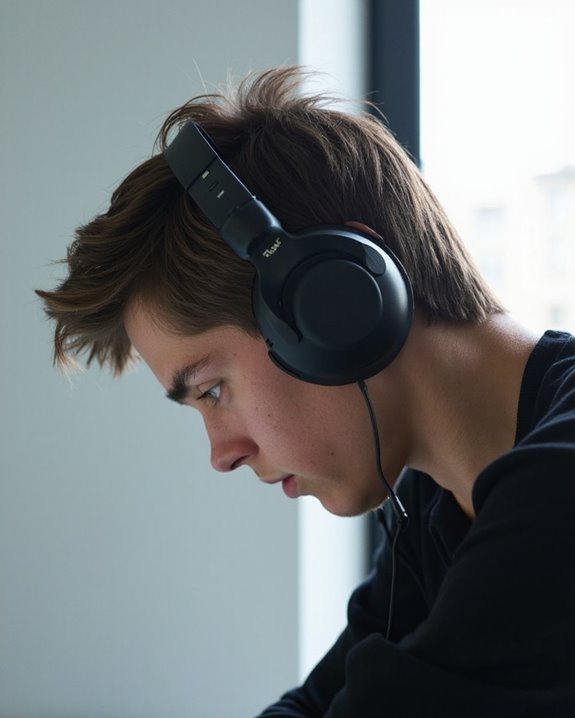
Headphone fit concerns often overshadow a more pervasive health issue affecting device users worldwide—tech neck and associated posture problems. While consumers worry about headphone pressure, the forward head posture developed during extended screen time poses substantially greater risks.
Studies reveal alarming statistics: up to 70% of office workers experience neck strain, with tech neck being the fourth leading cause of disability globally. The pressure on cervical vertebrae can reach 27kg during prolonged device use, creating serious muscle imbalances.
Younger demographics (ages 10-25) face particular vulnerability, with 46% of smartphone users reporting neck disorders annually. Working professionals and students demonstrate high susceptibility, with 64.7% of remote workers experiencing symptoms.
Effective posture correction strategies include:
- Regular screen breaks
- Ergonomic workstations
- Neck-strengthening exercises
Recommended Products

Say Hello to a Pain-Free Life- The Comfy Brace posture corrector aims to relieve chronic back pain and make long working or standing hours a breeze to get through. By aligning properly your posture, it takes pressure off of key areas, thus alleviating back, neck, shoulder and clavicle pain.
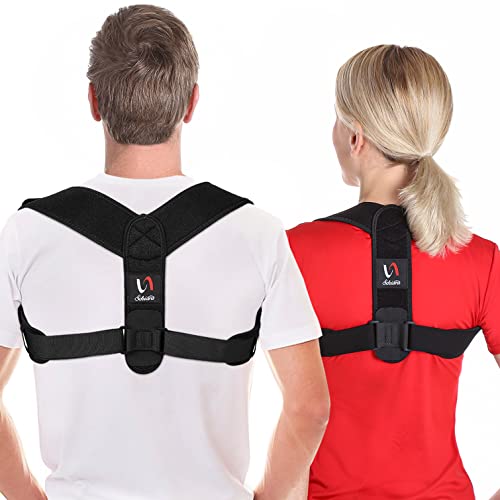
Enjoy a much healthier life with a posture corrector: Our posture corrector is suitable for men and women, which provides alignment of the back, neck, and shoulder during your activities.
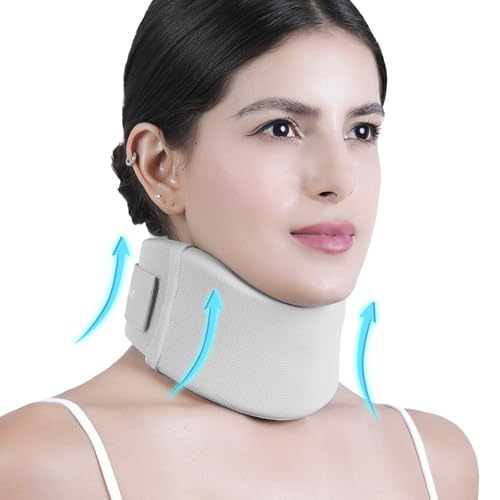
✔【Instantly Provide Comfort to the Neck】: Discover the gentle touch of our Ice Silk Neck Brace, designed for those with neck injuries or chronic pain. The neck collar can help you readjust and stabilize the neck by supporting the chin and neck and limiting movement, reducing pressure on the neck muscles, thereby relieving neck pain and pressure. Creating a perfect neck temperament
Tips for Comfortable Headphone Use Without Worry
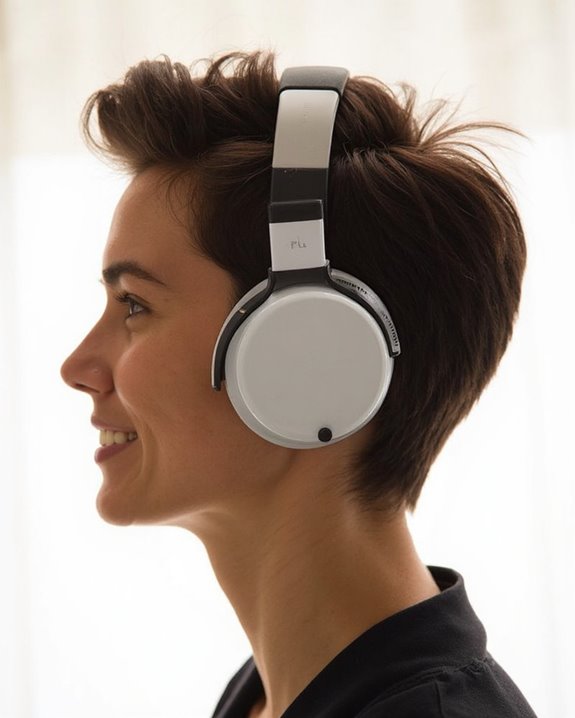
The art of wearing headphones comfortably involves more than simply placing them on your head. Proper adjustment of headphone sliders guarantees a snug fit without excess pressure, while positioning ear cups to fully encompass the ears maximizes both comfort and audio quality.
For extended listening sessions, headphones with memory foam or gel-filled cushions distribute pressure more evenly. Wireless comfort eliminates cable management concerns altogether, preventing potential discomfort from tangled or pulled cords during movement. Users should periodically remove headphones to relieve localized pressure points.
Maintenance plays an essential role in sustained comfort. Regular cleaning prevents skin irritation from sweat and dirt buildup, while case protection when not in use preserves the structural integrity of cushions and headbands. This preventative approach guarantees headphones maintain their original ergonomic design specifications for ideal comfort.
Recommended Products
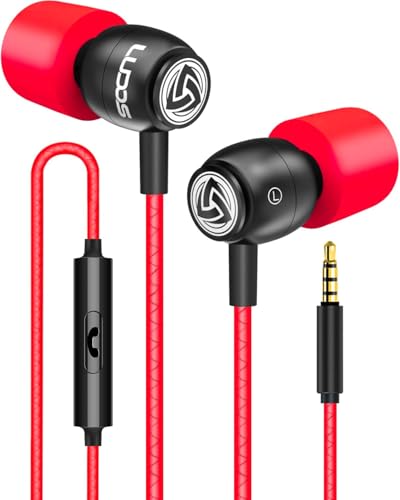
🎵Standard Plug: Our earbuds wired support new generation iPhones via lightning adapters, iPhone 5 and 6, iPad Mini/Air, Samsung S8/S9/S10, Galaxy M02s/F02s, M62/F62, A32/A52/A72, Note 8/9/10, iPod touch, true value ear phones with a 3.5 mm jack. The cable is 4.2ft/1.3m long

Up to 300 hours of wireless gaming: Play knowing you’ll get weeks of gaming out of a single charge. The fast 2.4GHz connection provides wireless freedom without sacrificing audio quality.
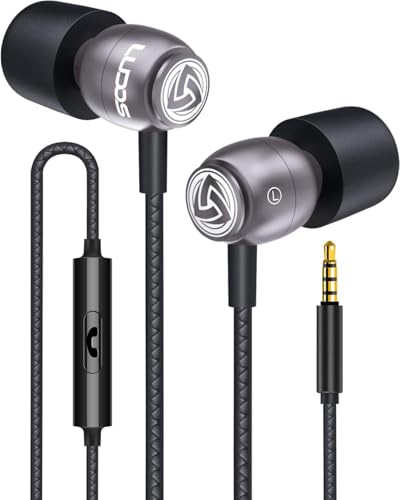
🎵Standard Plug: Our earbuds wired support new generation iPhones via lightning adapters, iPhone 5 and 6, iPad Mini/Air, Samsung S8/S9/S10, Galaxy M02s/F02s, M62/F62, A32/A52/A72, Note 8/9/10, iPod touch, true value ear phones with a 3.5 mm jack. The cable is 4.2ft/1.3m long
Frequently Asked Questions
Do Children’s Developing Skulls Face Greater Risk From Headphone Pressure?
Children’s developing skulls, with thinner bone structure and ongoing skull development, exhibit higher pressure sensitivity than adults. This potentially makes them more susceptible to temporary impressions or discomfort from sustained headphone pressure.
Can Headphone Dents Affect Hair Growth or Cause Premature Balding?
Prolonged headphone pressure can cause temporary hair thinning through traction alopecia, but claims of permanent baldness remain largely unsubstantiated. Research hasn’t established direct links between headphone use and premature balding, debunking common baldness myths.
How Do Wireless Earbuds Compare to Headphones Regarding Head Indentation?
Consider Sarah, who switched to earbuds after noticing temporary headphone marks. Wireless fit eliminates headband pressure entirely, as earbuds exert minimal earbud pressure only within ear canals, avoiding any risk of head indentation.
Are Gaming Headsets More Likely to Cause Dents Than Regular Headphones?
Gaming headsets typically exert greater clamping force due to additional features and weight, increasing dent potential. Regular headphones often use lighter materials with lower durability requirements, resulting in less pressure on the skull during extended wear.
Do Different Head Shapes Experience Varying Degrees of Headphone Indentation?
Head shapes can indeed influence indentation variations when using headphones. Different cranial structures may experience varied pressure distribution, with more pronounced head shapes potentially receiving more localized pressure, though the skull remains structurally unaffected.